Skip to content

Search

"Card Acceptance"

138 articles found

Illustration representing PIN Transaction Security (PTS) certified payment devices

Merchant & POS

What is PIN Transaction Security (PTS)?

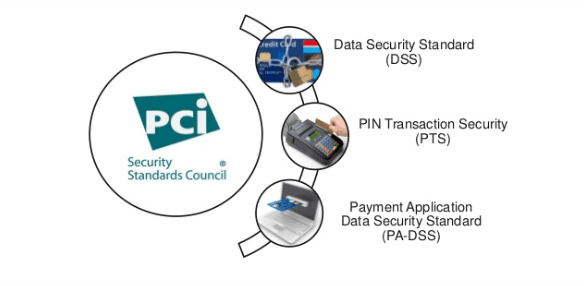
PIN Transaction Security (PTS) verifies that card data and PIN information are used for a payment transaction. It is a set of modular evaluation requirements managed by the PCI Security Standards Council for PIN-accepting terminals.

Comparison of CVV security code locations on a standard card and an American Express card

Credit Card

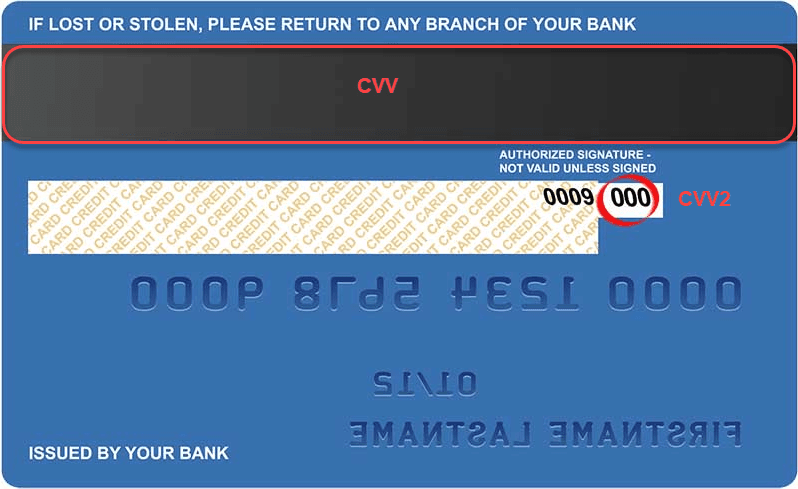
Is the CVV/CVC Code Always 3 Digits?

First, let's briefly explain CVV/CVC. CVV stands for Card Verification Value, a term used for Visa. CVC stands for Card Verification Code, a term used for MasterCard. The CVV/CVC code is used for cardholder verification and to reduce fraud risk.

POS terminal used for EMV card payment processing

Merchant & POS

TVR (Terminal Verification Results)

Terminal Verification Results (TVR): a sequence of bits produced when a terminal reads an EMV card, based on logical checks such as an expired card. This data object is used to decide whether a payment transaction should be accepted online, declined, or allowed to proceed.

Family member credit card debt liability

Credit Card

Can I Be Held Responsible for a Family Member's Credit Card Debt?

With economic crises and the pandemic, the number of people struggling to pay has risen. Under the Turkish Civil Code, only the cardholder is responsible for their credit card debt, unless you are a guarantor or inheritance rules apply.

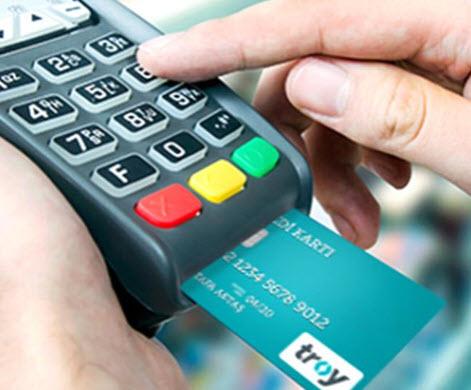
Contactless payment PIN entry on a POS terminal

Payment Systems

Why Do Some Contactless Payments Require a PIN?

The biggest benefit of contactless payment is completing small transactions quickly. You can pay purchases under 350 TL without a PIN, while purchases above 350 TL require your card PIN.

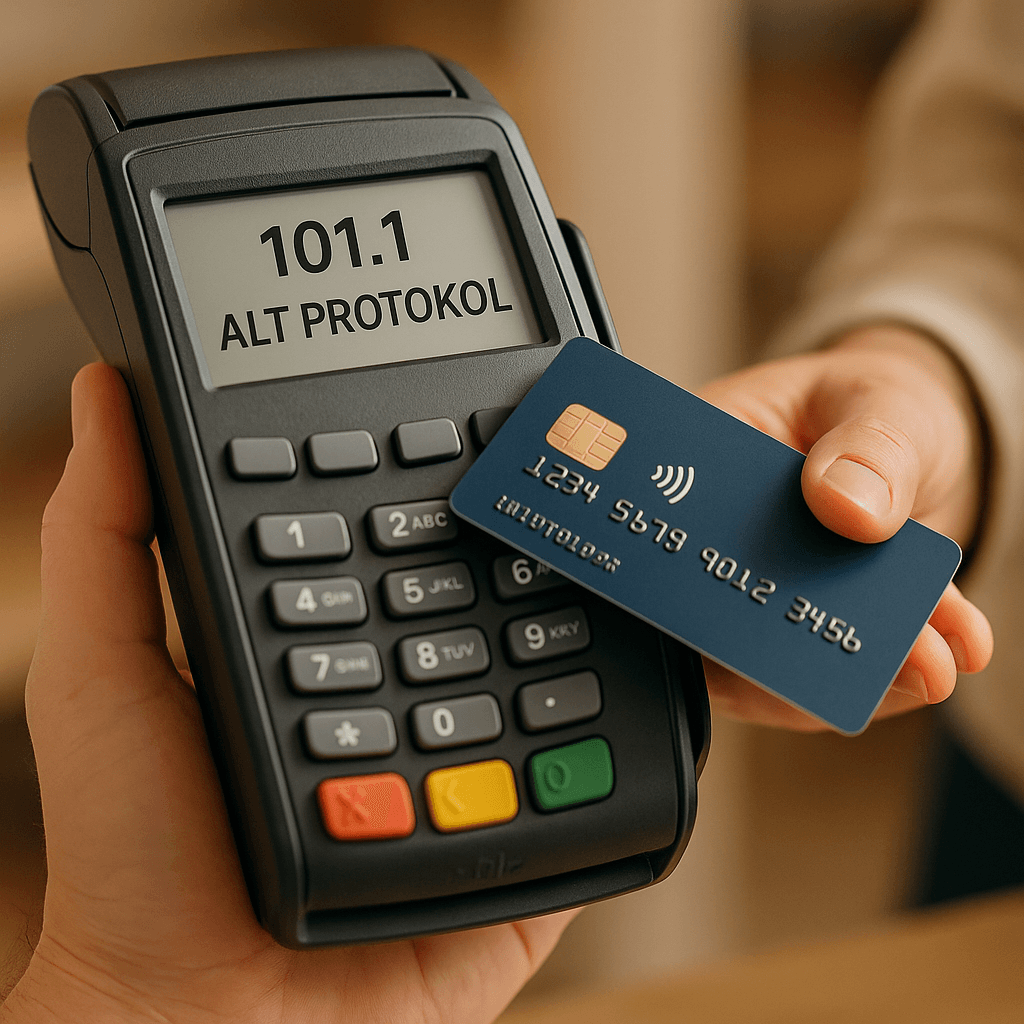
Illustration representing communication protocols used in POS payment systems

Merchant & POS

What Are POS Sub-Protocols and Their Use Cases in Turkey?

In payment systems, every exchange between POS devices and bank or payment institution systems runs on a specific messaging standard, generally based on ISO 8583. However, each country, bank, or switch network defines its own version of this standard.

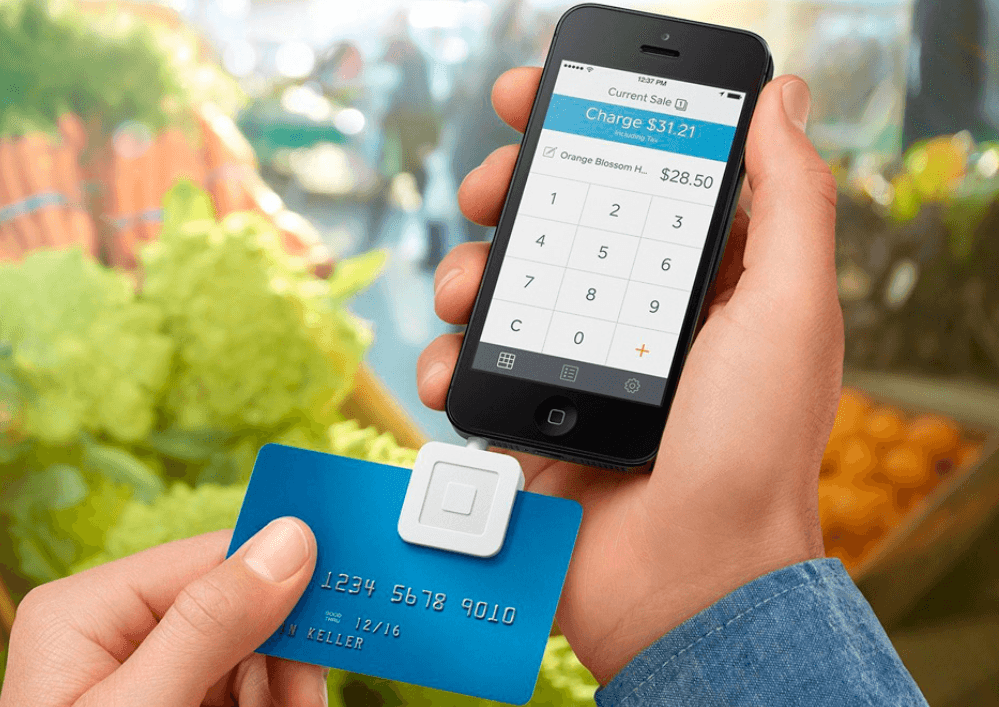
mPOS mobile point-of-sale payment solution using a smartphone and card reader

Payment Systems

What is mPOS?

mPOS is short for Mobile POS, a digital POS solution that enables payment acceptance via smartphones/tablets without a standard POS terminal. It is formed by combining a card reader with a mobile device such as a smartphone or tablet...

Diagram explaining PVKI and PVV calculation in card PIN verification

Credit Card

What Is PVKI (PIN Verification Key Index)?

PVKI is the abbreviation for PIN Verification Key Index. It is located within the card's Track 1 and Track 2 data and is used in PVV calculation. It can take values from 1 to 6, usually defaulting to 1.

Credit card showing CVV security code location

Credit Card

Can a Card Have CVV Printed on Both Sides?

Yes. American Express cards have a 4-digit CVV on the front and a 3-digit CVV on the back, like other cards. Here's how payment forms should handle both formats and why logging the security code is never allowed.

Card skimming and copied card details

Credit Card

What Should I Do If My Card Details Are Copied?

Card copying usually happens with magnetic stripe debit cards. As soon as you notice your card details have been copied, you can close the card, renew it or change its PIN.

Diagram illustrating the SPoC solution architecture for secure PIN entry on a COTS device

Security

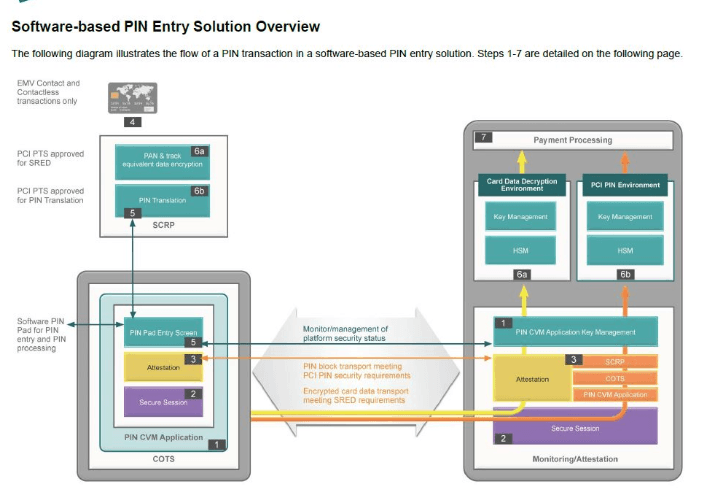
What is Software-based PIN Entry on COTS (SPoC)?

Published by the PCI SSC, Software-based PIN Entry on COTS (SPoC) is a standard that provides a software-based approach for protecting PIN entry on commercial off-the-shelf devices such as smartphones and tablets.

Diagram illustrating the ISO 8583 field 32 structure

ISO 8583

ISO 8583 Field Descriptions (F32)

F32 - ACQUIRING INSTITUTION IDENTIFICATION CODE: the 11-digit acquirer bank ID. The values it can take for domestic transactions and by card brand include Visa, MasterCard, UnionPay, Discover and JCB formats.