Skip to content

Search

"authorization system"

174 articles found

Foreign payment institutions operating in Türkiye

Payment Systems

Can Foreign Payment Institutions Operate in Türkiye?

All payment and electronic money institutions operating in Türkiye fall under the relevant regulation. A license from a foreign authority is not enough; a foreign institution must obtain a license from the Central Bank.
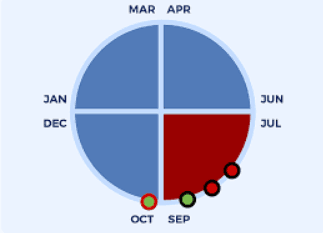
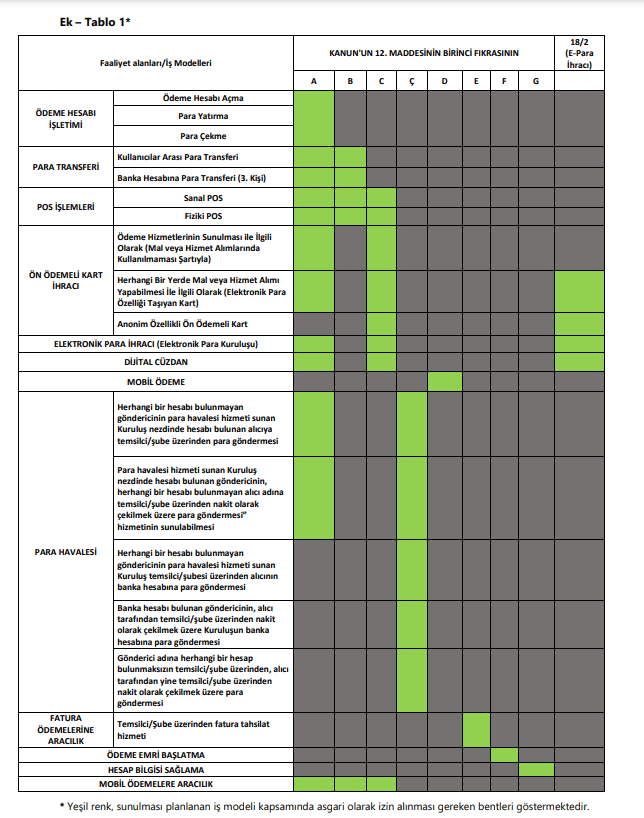
Diagram of an external quarterly network vulnerability scan for PCI DSS compliance

Security

What Is a Quarterly Network Scan?

An external network scan run every 3 months by an Approved Scanning Vendor authorized by card schemes such as MasterCard and Visa, required for PCI DSS compliance. It checks whether merchant systems are protected against external threats.

Cover page of the CBRT guide linking payment business models to payment service types

Payment Systems

Guide Linking Payment Business Models to Payment Service Types Published

This Guide links business models frequently encountered in the payments field to the payment services listed in Law No. 6493 on Payment and Securities Settlement Systems, Payment Services and Electronic Money Institutions, and aims at uniformity in practice.

Stand-in authorization flow diagram

Credit Card

What is Stand-In Authorization?

In the standard authorization flow, the transaction is initiated by the acquirer (POS bank) and forwarded to the issuer (card-issuing institution). The process is completed once the issuer responds. However, this isn't always possible; when the issuer fails to respond, BKM steps in...

Diagram of the Secure Mobile Payment and Electronic Document Management System under VUK 507

Payment Institutions & E-Money

What Is the VUK 507 Communique?

VUK 507 is the common name of Tax Procedure Law General Communique Serial No. 507, published in the Official Gazette on 1/6/2019 on the Secure Mobile Payment and Electronic Document Management System. It sets the rules for sales, collection and electronic document applications.

Illustration representing the European Banking Authority (EBA)

Open Banking

What is the European Banking Authority (EBA)?

The European Banking Authority (EBA) is an EU regulatory body headquartered in Paris. It runs stress tests on European banks to increase transparency and identify weaknesses in their capital structures. It was established on 1 January 2011.

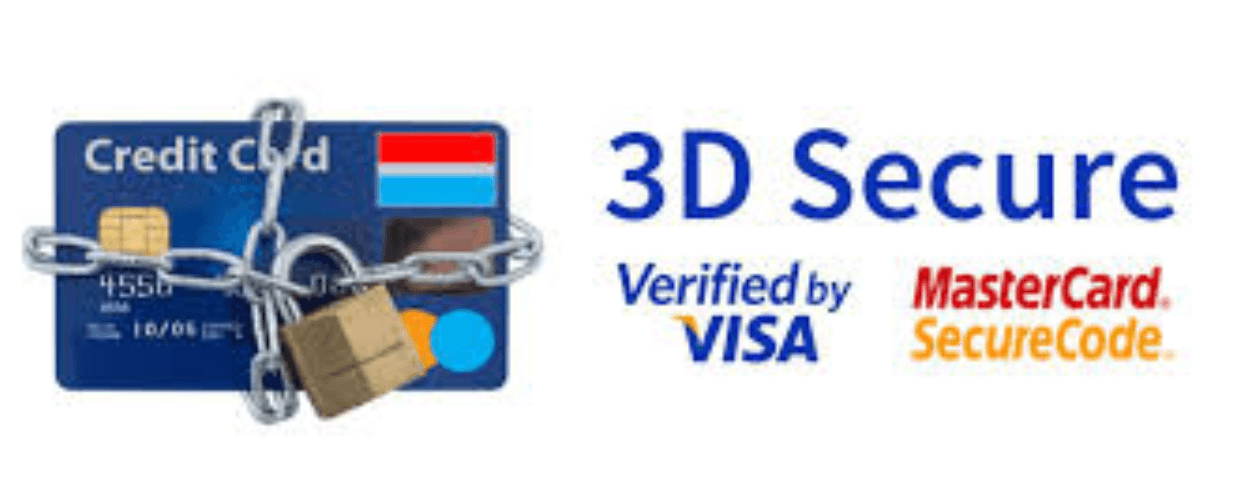
Diagram comparing the 3D, 3D Pay, and 3D Pay Hosting payment models

Payment Systems

What are the 3D Secure Payment Models?

In card payment transactions made via a physical POS device, entering the card's PIN keeps the transaction secure, while in virtual POS transactions, security is provided through the 3D Secure flow. Are 3D Secure payment methods standardized? There are 3 different 3D Secure models.

Illustration representing a foreign currency POS transaction

Payment Systems

What is Foreign Currency POS? What are the key points?

Foreign Currency POS is the POS software that lets merchants process transactions in a foreign currency. Terminals without it can only collect payments in Turkish lira. It comes in two common forms: Multicurrency POS and DCC POS (Dynamic Currency Conversion).

GO Secure Payment logo

Merchant & POS

What Is Secure Payment (GO)?

GO Secure Payment is a system developed by BKM that verifies cardholders using a one-time password (OTP) during online purchases made with TROY cards, providing banks with a secure verification platform without needing to store card data.

ISO 8583 field table showing the F38 authorization identification response field

ISO 8583

ISO 8583 Field Descriptions (F38)

DE 38 (AUTHORIZATION IDENTIFICATION RESPONSE) is the authorization code generated when a transaction is approved. It is alphanumeric, 6 characters long, and left empty for declined transactions.

Bitcoin and electronic money under Law No. 6493

Laws & Regulations

Is Bitcoin Electronic Money Under Law No. 6493?

No. Bitcoin is not issued by any public or private institution and has no guaranteed backing, so it is not considered electronic money under Law No. 6493 and cannot be supervised under that Law.