Skip to content

Search

"ACS"

12 articles found

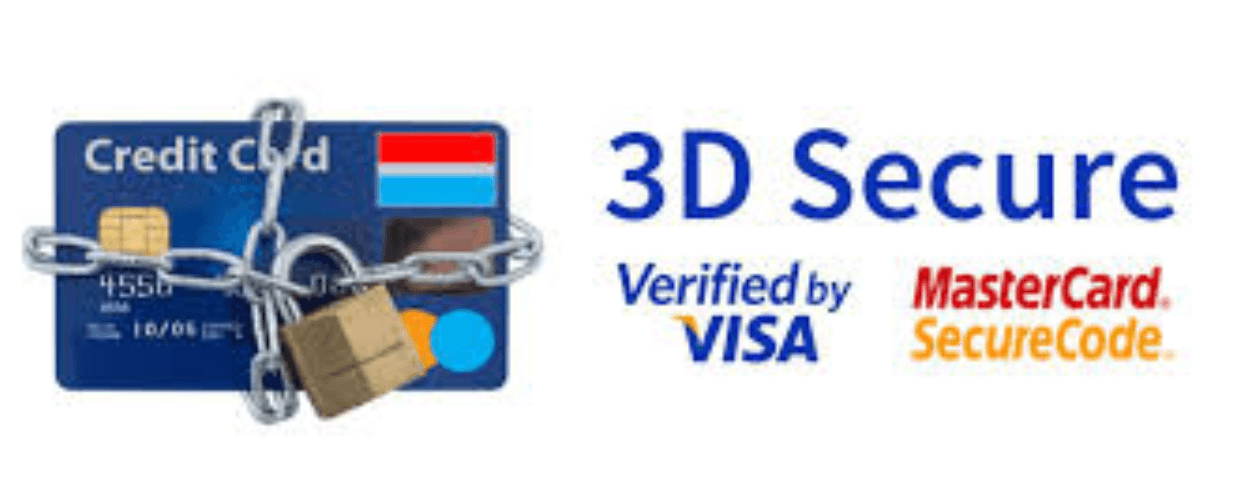
Diagram illustrating the Access Control Server (ACS) role in the 3-D Secure authentication protocol

Security

How can I find the list of Access Security Control (ACS) companies?

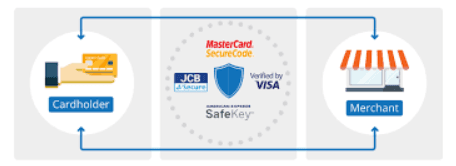
Access Security Control (ACS) is the security protocol that the card-issuing bank must maintain under the 3-D Secure protocol to support cardholder authentication. 3-D Secure is an XML-based protocol that adds an extra security layer to online card payments.
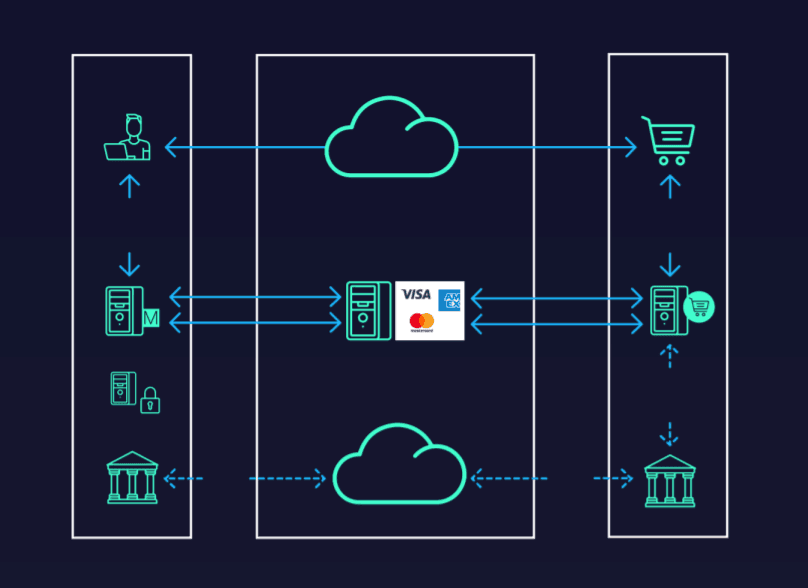
Diagram showing the role of the Access Control Server (ACS) in the 3-D Secure authentication flow

Security

What is Access Security Control (ACS)?

Access Security Control (ACS) is the security protocol that the card-issuing bank must maintain in 3-D Secure to support cardholder authentication, functioning as a complete authentication solution for issuers and payment processors.

Diagram showing the structure of the Card Verification Results (CVR) data element

Credit Card

CVR (Card Verification Results)

CVR (Card Verification Results) refers to the results of checks performed on the card. In short, it can be described as keeping the card's transaction log. BYTE 1 Bit 8-7: 00 = The second GENERATE AC command returned an AAC cryptogram (decline)...

Architecture diagram of the Visa EAS Server within the Visa Secure 3-D Secure authentication flow

EMV

What Is the Visa EAS Server?

The Visa EAS Server (Extended Access Service) is a server used in Visa’s authentication infrastructure. It was developed to run the cardholder authentication process securely between banks and the Visa network, particularly within Visa Secure (3-D Secure 2.x).

Table of CAVV result codes and what they mean for merchants

Merchant & POS

What is CAVV? What is AAV?

CAVV and AAV are verification codes used in 3D Secure transactions to ensure transaction integrity and security. CAVV is used by Visa, while AAV is used by Mastercard.

Diagram showing Electronic Commerce Indicator values used in 3D Secure transactions

Online & Authorization

What is the Electronic Commerce Indicator (ECI)?

Electronic Commerce Indicator (ECI) is a 2-digit value generated by payment schemes (Visa, MasterCard, etc.) in 3D Secure transactions to determine the transaction's security level (Full 3D Secure, Half 3D Secure, Non 3D Secure), and it varies by payment scheme.

Diagram comparing the 3D, 3D Pay, and 3D Pay Hosting payment models

Payment Systems

What are the 3D Secure Payment Models?

In card payment transactions made via a physical POS device, entering the card's PIN keeps the transaction secure, while in virtual POS transactions, security is provided through the 3D Secure flow. Are 3D Secure payment methods standardized? There are 3 different 3D Secure models.

Diagram showing the components of the External Authenticate command

EMV

What is the External Authenticate Command?

The EXTERNAL AUTHENTICATE command asks the application inside the ICC whether it can verify the cryptogram, and the ICC returns the processing status. Below are the components of the External Authenticate command and what issuer authentication means.

Diagram showing the Issuer Domain, Interoperability Domain and Acquirer Domain in 3D Secure

Merchant & POS

What are Payment Scheme 3D Secure systems?

3D Secure is short for Three Domain Secure (Issuer Domain, the Interoperability Domain and the Acquirer Domain), used to increase security in online transactions. Known to cardholders as 3D Secure, these systems are given unique names by payment schemes (MasterCard, Visa, etc.).

Diagram of symmetric key types used in payment systems

HSM & Security

Types of Symmetric Keys

In the world of payment systems, keys and their uses are important for transferring information from one place to another, storing information, and securing authorization and scripting steps. Key types are divided into six categories based on their purpose.