Skip to content

Search

"MCC"

19 articles found

Illustration representing Merchant Category Code classification for card transactions

Merchant & POS

What Does a Restricted/Prohibited MCC Mean?

The MCC code, or Merchant Category Code, is a 4-digit code used to classify merchants. Some MCC codes are restricted or prohibited, and POS terminals or card transactions may be blocked when such a code is used.
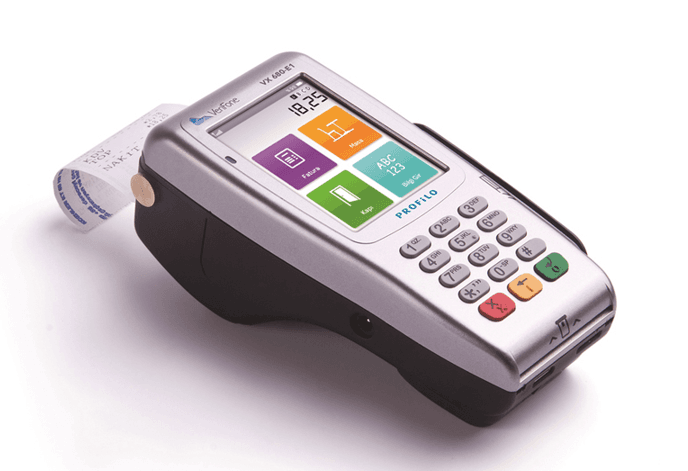

Illustration representing MCC codes used to classify merchants by category

Merchant & POS

What Is an MCC Code Used For?

Since the MCC code is a merchant's category code, it's critical for the checks performed during merchant onboarding and authorization, including campaigns and restrictions.

Table listing sample Merchant Category Codes (MCC) and their descriptions

Merchant & POS

What Is an MCC (Merchant Category Code)?

MCC stands for Merchant Category Code: a 4-digit code used to classify merchants by business type. Codes differ slightly between Mastercard, Visa, and BKM.

Illustration of ISO 18245 merchant category codes (MCC)

Payment Systems

What Is ISO 18245?

ISO 18245 is an ISO standard on the management of Merchant Category Codes (MCC) in retail financial services. ISO 18245: 2003 defines the code values used to classify merchants by the type of business, trade or service they provide.

Diagram explaining the MCC merchant category code field in ISO 8583 messages

ISO 8583

ISO 8583 Field Descriptions (F18)

F18-MERCHANT TYPE: This is the merchant's category code (MCC) information. It must contain values from the Mastercard or Visa MCC Code list. It is a 4-digit numeric value. For ATM transactions, MCC code 6011 should be sent. The role of MCC in authorization...

Table of merchant sectors where offline transactions are restricted

Merchant & POS

In Which Sectors Can Offline Transactions Not Be Performed?

An offline transaction is one approved by the card and the POS themselves, without going to any system (the card's bank or the POS's bank), when a chip card transaction is made at a POS. For this reason, some sectors considered risky are restricted.

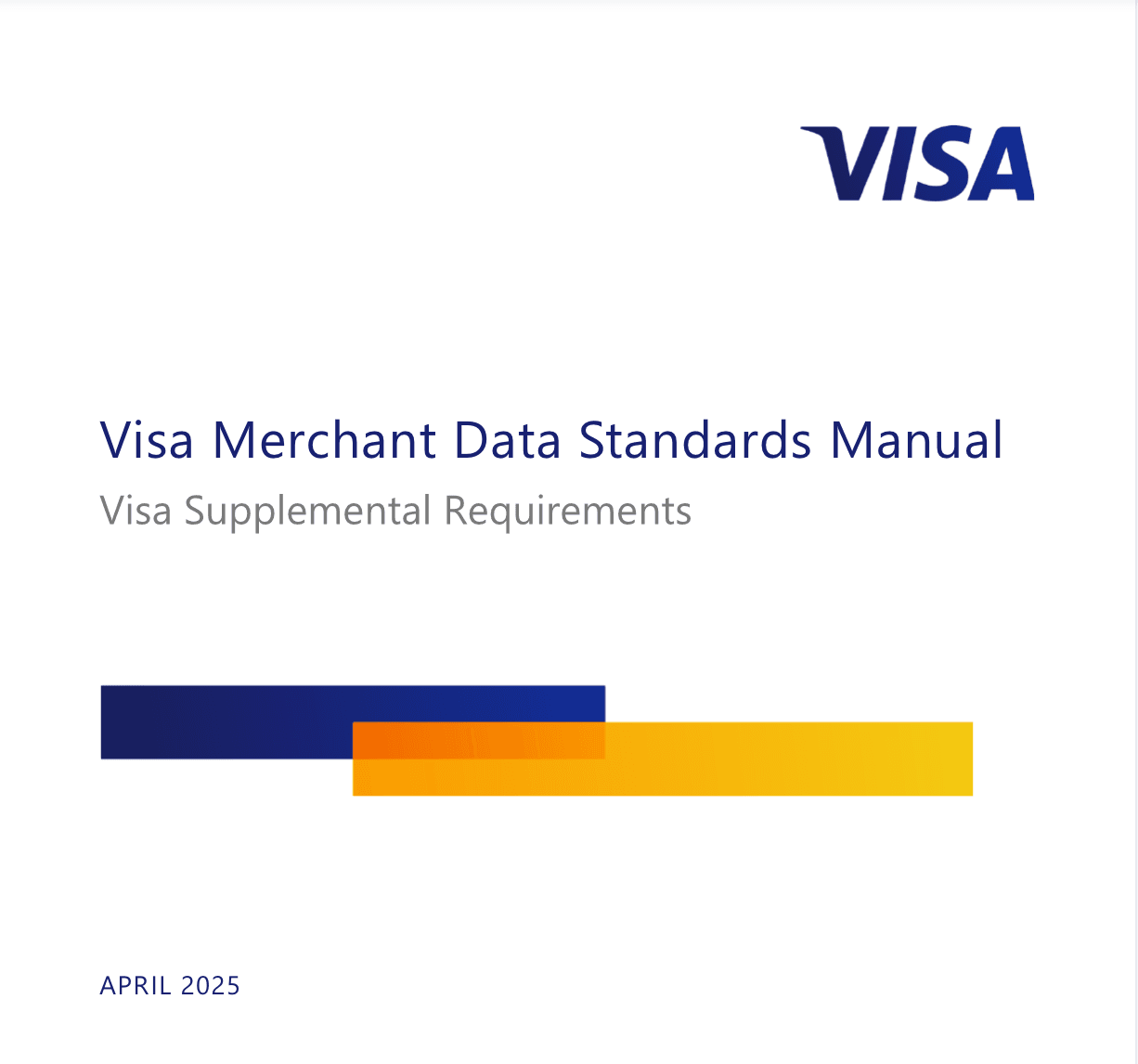
Cover of the Visa Merchant Data Standards Manual document

Merchant & POS

What Is the “Merchant Data Standards Manual”? How Can I Access It?

Visa's Merchant Data Standards Manual covers classification, identification and data standard requirements for merchants, payment facilitators and marketplaces, including merchant naming, location and MCC rules. Here is what it contains and where to find it.

Diagram of an Onus installment transaction flow between POS and HOST

Payment Systems

What are the key points in an Onus Installment project?

Before describing the Onus Installment process, it is better to first answer: what is an Onus transaction? An Onus transaction is when the acquirer and issuer are the same institution, so the transaction is processed through that institution.

Merchant onboarding process illustration

Merchant & POS

What is Onboarding (Merchant Definition)?

Onboarding refers to all the practices that help a customer learn to use a product or service for the first time. In payment institutions, it covers verifying a customer's information and documents during merchant application.

Credit card installment payment illustration

Credit Card

What Is Installment Payment?

Installment payment means dividing a product's price into a set number of equal amounts. For example, if a 100 TL product is bought in 5 installments, the cardholder pays 20 TL a month for 5 months, totaling 100 TL.

Virtual POS (VPOS) online payment interface screenshot

Merchant & POS

What is VPOS (Virtual POS)?

VPOS (Virtual POS) is the software-based, security-enhanced equivalent of the physical POS devices used for card payments at merchants, used for purchases made over the internet. It is also known as Virtual POS. VPOS is not issued to individual customers.