Skip to content

Search

"Terminal"

252 articles found

Illustration showing the reasons a bank may terminate a merchant agreement

Merchant & POS

Under What Circumstances Is a Merchant Agreement Terminated?

Banks check merchants against a termination list before issuing a POS device. Learn the main reasons, such as counterfeit card acceptance, excessive chargebacks, and fraud, that can lead a bank to terminate a merchant agreement.
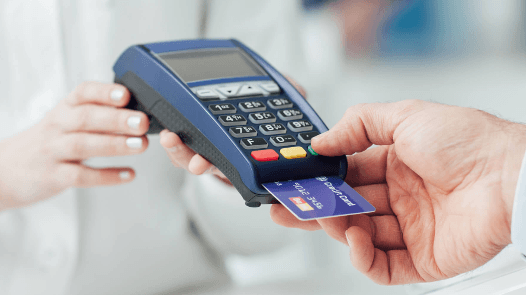
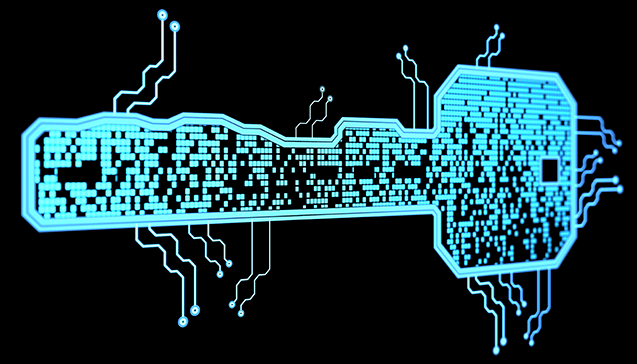
Illustration representing a bank checking a merchant against the termination list before issuing a POS device

Merchant & POS

What Is a Merchant Termination List Check?

The termination list is a list, fed by all banks, containing merchants whose merchant agreements have been terminated by banks, together with the reasons for termination. This list is maintained by BKM and offered to banks as a service. Merchants request…

Illustration of a Terminal Master Key (TMK) securing a payment terminal

HSM & Security

What is TMK (Terminal Master Key)?

TMK stands for Terminal Master Key, a key-encrypting key distributed manually or automatically under a previously established TMK. It is used to distribute data encryption keys to an ATM or POS terminal within a local network.

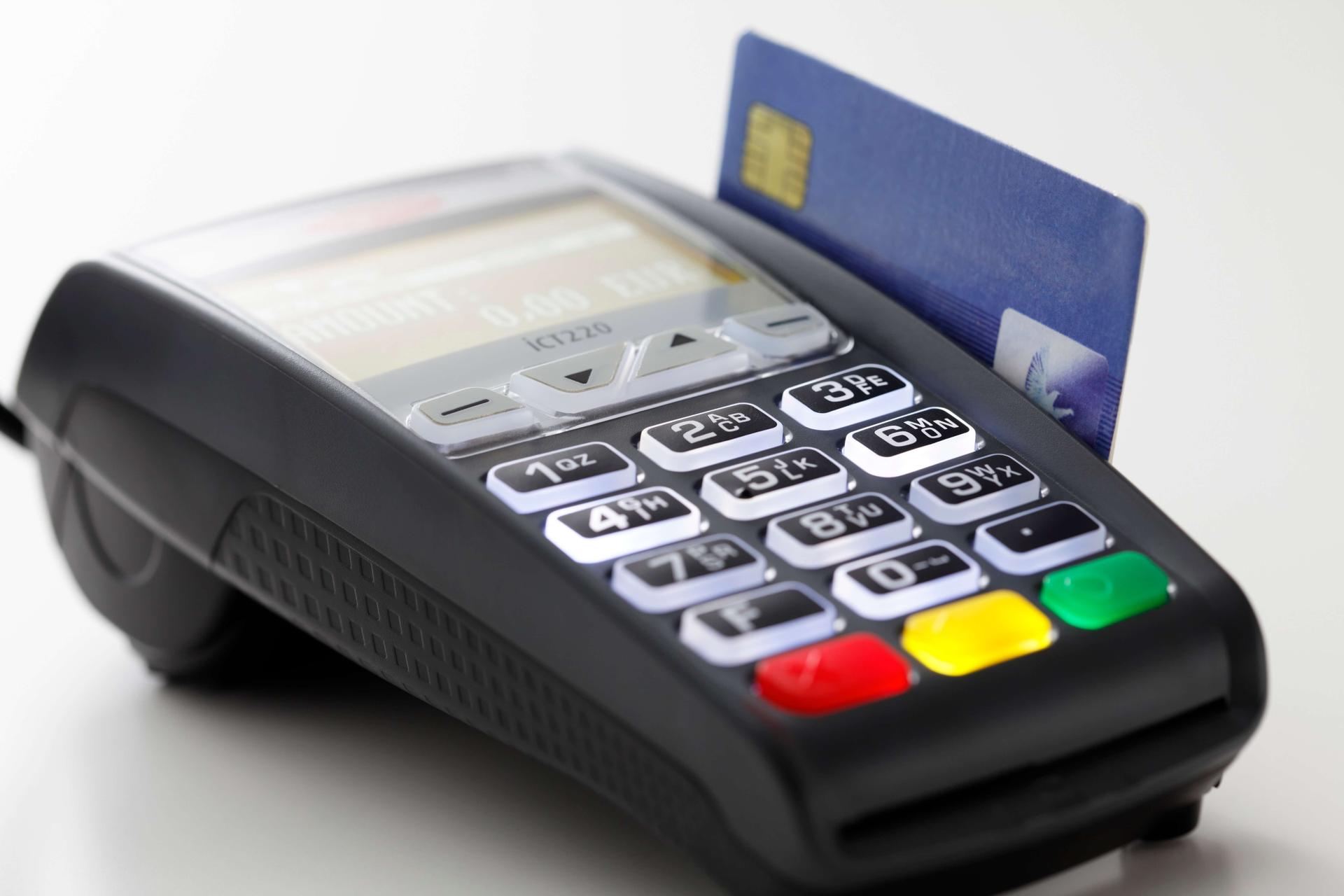
POS terminal used for EMV card payment processing

Merchant & POS

TVR (Terminal Verification Results)

Terminal Verification Results (TVR): a sequence of bits produced when a terminal reads an EMV card, based on logical checks such as an expired card. This data object is used to decide whether a payment transaction should be accepted online, declined, or allowed to proceed.

Diagram showing the CAT (Cardholder Activated Terminal) Indicator field used in payment authorization messages

Merchant & POS

What is the CAT (Cardholder Activated Terminal) Indicator?

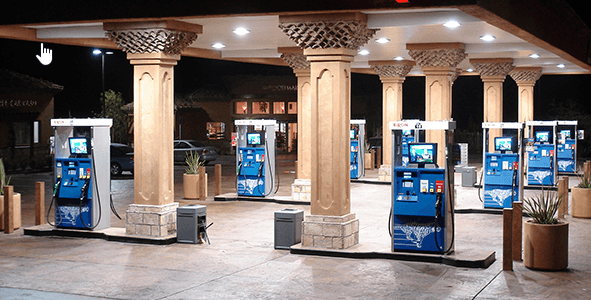
CAT (Cardholder Activated Terminal) devices are typically unattended terminals that accept various payment cards. These terminals are frequently installed at railway ticket stations, gas stations, toll roads, parking lots, and other commercial locations.

Diagram illustrating Terminal PIN Key (TPK) usage in POS and ATM devices

HSM & Security

What is TPK (Terminal PIN Key)?

TPK stands for Terminal PIN Key. It is a data encryption key used to encrypt PINs for transmission between a terminal and the terminal's bank (acquirer) within a local network. Learn how TPK is used in POS and ATM devices.

Diagram showing the Terminal Authentication Key (TAK) concept

HSM & Security

What is TAK (Terminal Authentication Key)?

TAK stands for Terminal Authentication Key. It is the data encryption key used to generate and verify a Message Authentication Code (MAC) for data communication between a terminal and the acquirer within a local network.

Photo of a POS terminal related to Terminal Action Code settings

Merchant & POS

Terminal Action Code (TAC)

These are codes placed into the terminal software by the acquirer that govern the rules for whether transactions go online or are declined, covering offline approval, offline decline, and online submission due to issuer risk...

Diagram illustrating how the Termination Tracking System (FTS) works

Payment Systems

What Is FTS (Termination Tracking System)?

FTS (Termination Tracking System) lets banks check, before signing a merchant agreement, whether the applicant company or its representative has a negative history with any bank.

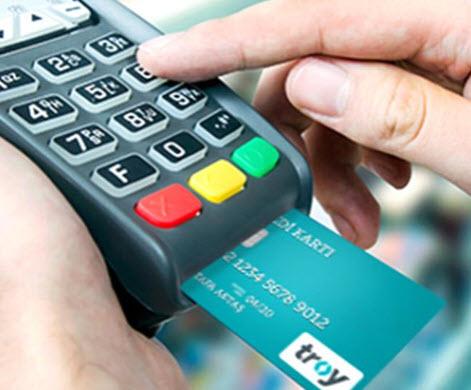
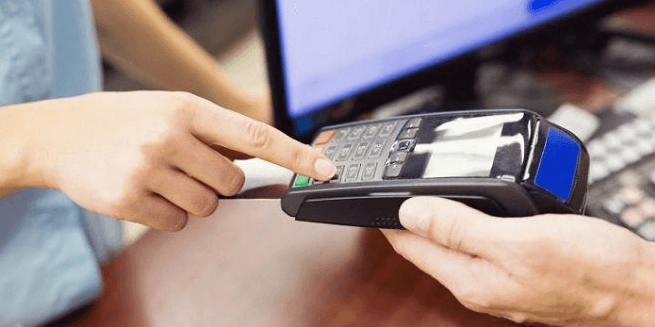
Payment POS terminal reading a bank card at a merchant counter

Payment Systems

Beware of Inefficient POS Terminals and Lines!

Why do institutions track inefficient POS terminals and lines? This post looks at the costs they create, such as device purchases, field service and software fees, and how to deal with merchants that generate little turnover.

POS terminal and merchant turnover limit settings

Payment Systems

Can Terminal or Merchant Turnover Be Restricted?

Yes, you can restrict it by defining an upper limit at the terminal or merchant level. Institutions generally don't want to lose turnover, but caps may be applied for suspicious merchants or when agreed pricing falls below cost.