Skip to content

Search

"card present"

98 articles found

Illustration of a card present transaction being processed at a POS terminal

Security

What is a CP (Card Present) Transaction?

A CP transaction refers to a card transaction in which the card and cardholder are physically present at the location. Card Present transactions occur when the card's magnetic stripe or chip data is read by a POS terminal or ATM, or via contactless.
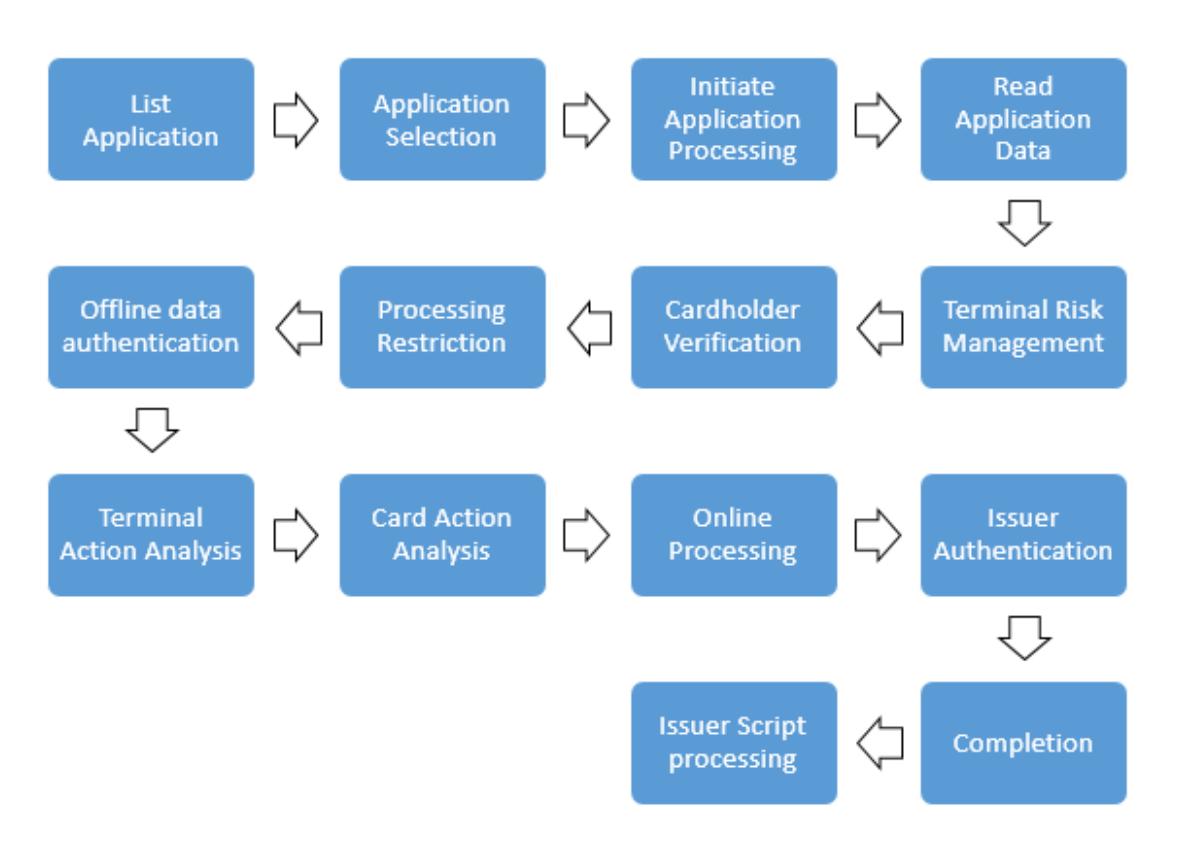

Diagram of the EMV application selection flow between the terminal and the card

Merchant & POS

EMV Chip Transaction Processing - What Is Application Selection?

In EMV transactions, Application Selection is the process of choosing among the applications supported by both the card and the terminal. It is the first stage of authorization, so it is very important. This post covers the PSE and List of AIDs methods.

Diagram illustrating ISO 8583 Field 61 Point of Service (POS) data structure

ISO 8583

ISO 8583 Field Descriptions (F61)

F61 - POINT OF SERVICE (POS) DATA: This field provides information about the specific status of the POS at the time of the transaction. Position Usage Attribute 1 POS Terminal Attendance Indicator 0 = Attended terminal (Valid for MasterCard debit card and Maestro transactions only).

Illustration representing credit card fraud and online payment security risks

Fraud

What is Fraud? What are the Types of Fraud?

With the growth of credit and debit card usage and rising e-commerce transaction volumes, there has been a serious increase in exploiting user negligence to harm customers. Fraud means using someone else's card at a merchant or ATM to gain unjust profit.

Illustration of a Card Not Present (CNP) online payment transaction

Credit Card

What Is a CNP (Card Not Present) Transaction?

CNP refers to a transaction made through a website or a company's own app payment page, where the card is not read by any device and its details are entered manually. It is short for Card Not Present.

Table of chargeback reason codes by payment scheme

Chargeback

What Are the Chargeback Reason Codes by Payment Scheme?

A chargeback is the process of requesting that an amount paid by credit card be refunded, either because the goods or services paid for were not received, or because a transaction is identified as one the cardholder did not carry out.

POS terminal screen showing the cancellation transaction menu

Merchant & POS

How does the cancellation (void) process work on a POS?

Many transactions are carried out with cards on a POS terminal. Sometimes a transaction must be reversed, and cancellation (void) is one such transaction. A Sale can only be cancelled on the POS before the batch (end of day) is closed; otherwise a refund is needed.

Comparison chart showing the differences between CVV and CVV2 security codes

Credit Card

What Is the Difference Between CVV and CVV2?

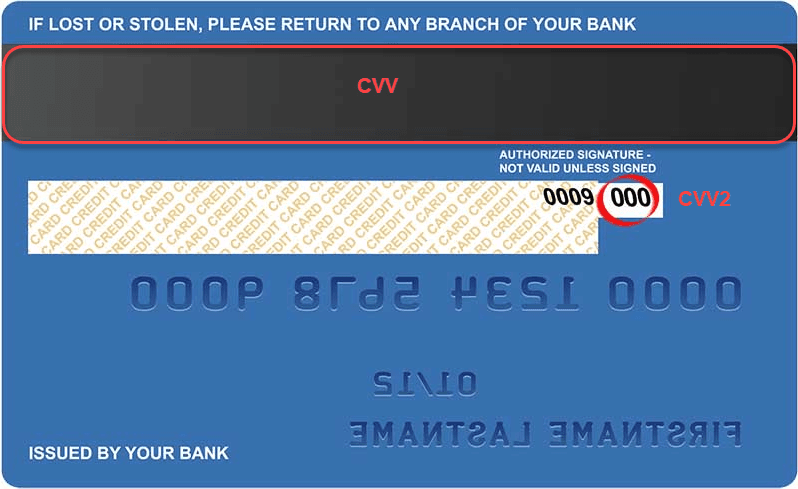
CVV (CVC) and CVV2 (CVC2) are two terms that cardholders often confuse. Both are used for verification in card transactions, but there are notable differences between them, such as where each is printed and which transactions use it.

Screenshot of an Address Verification Service (AVS) response code table

Merchant & POS

What is Address Verification Service (AVS)?

Address Verification Service (AVS) is a fraud prevention system that helps limit fraud and chargebacks when used effectively. It verifies that the address a customer enters matches the cardholder's address on file with the issuer.

Table listing ISO 8583 Field 25 (POS Condition Code) values

ISO 8583

ISO 8583 Field Descriptions (F25)

F25 - POINT OF SERVICE (POS) CONDITION CODE is the field that defines the condition under which a POS transaction was performed. Possible values include 00 Normal presentment, 01 Customer not present, 02 Unattended terminal, and more.

Illustration representing the chargeback and dispute process in card payments

Chargeback

What Are the Domestic Exceptions to Chargeback Rules?

A chargeback is the refund of an amount paid by credit card to the cardholder's card when the purchased goods or services were not received, or when a transaction was not actually carried out by the cardholder.