Skip to content

Search

"expired transaction"

68 articles found

Diagram showing an authorized card transaction that expires before reaching the clearing file

Credit Card

What does it mean for a card transaction to expire?

Due to how payment systems work, authorization is obtained for a transaction first. For a Not Onus transaction (different card and POS banks), the system waits for it to arrive via the clearing incoming file. If it does not arrive within about a week, the transaction expires.


Diagram illustrating the structure of an ISO 8583 message field

ISO 8583

ISO 8583 Field Descriptions (F14)

F14 - DATE, EXPIRATION DATE: the expiration date printed on the card by the issuing bank, a 4-digit numeric value in YYMM format. See how it's checked and why the YYMM order matters.

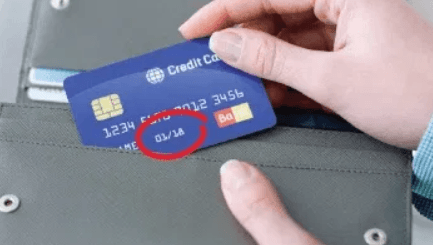
Credit card expiration date printed on the front of a card

Credit Card

What Is Effective Date?

The Effective Date is the information showing the date until which a card can be actively used. It can also be called the expiration date. It is a mandatory field printed on the card and used in transactions, set by banks for card security.

Table of ISO 8583 response codes that trigger card capture

Merchant & POS

What Are the Card Capture Error Codes?

Response codes returned on payment transactions are critical for managing next steps. Curious which error codes trigger card capture? Under ISO 8583, codes 04, 07, 33, 34, 36, 38, 41 and 43 all result in the card being captured.

POS payment terminal illustration

Credit Card

What is Dual Messaging?

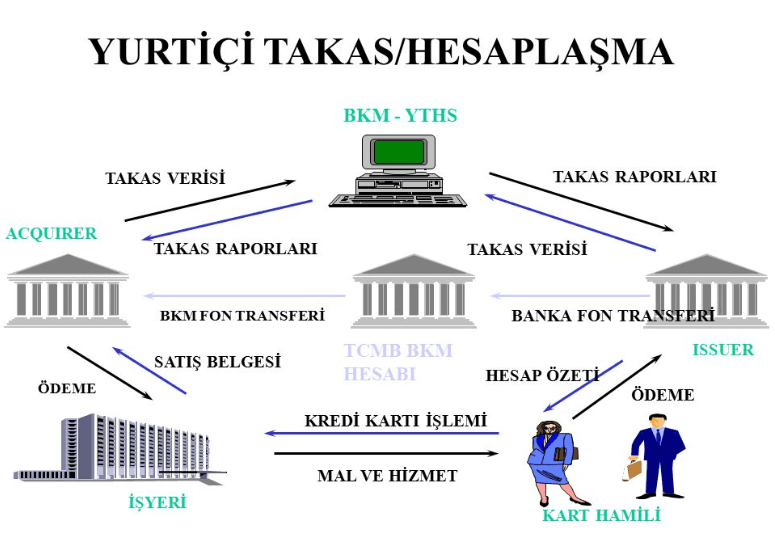
When the card-issuing bank and the POS bank are different, first obtaining authorization and then running the clearing process to finalize the transaction is called Dual Messaging. So why is a dual message structure needed?

Diagram illustrating TCR (Transaction Record Component) packets used in payment clearing and settlement files

Payment Systems

What Is TCR (Transaction Record Component)?

TCR stands for Transaction Record Component, the packets that carry transaction information in a clearing system. Transaction types in a clearing file are distinguished by transaction code and usage code values, and this data is sent inside TCR packets.

Discover chargeback reason codes list

Payment Systems

What Are the Discover Chargeback Reason Codes?

Chargeback reason codes differ by card scheme. Here is the list of Discover chargeback reason codes and their descriptions, along with how merchants can use them.

Expiration date printed on the front of a payment card

Credit Card

What Is a Card Expiration Date?

What is a card expiration date? Learn why banks print this date on every card, how it's used in purchases, and what happens once it passes.

Diagram of the components that make up an HCE transaction token

HCE

What components make up an HCE Token (Transaction Token)?

The token used in HCE transactions contains more than just a new number derived from the card number. It also includes single-use keys, an expiration date, RSA keys and certificates, transaction limits, and an Application Transaction Counter (ATC).

Diagram illustrating the ISO 8583 F39 response code field

ISO 8583

ISO 8583 Field Descriptions (F39)

F39 - RESPONSE CODE: This is the code showing whether the transaction was approved or declined. It is 2-digit alphanumeric. Typically 00 is sent when approved, and a decline reason code is sent when declined.