Merchant & POS
What Is an MCC (Merchant Category Code)?
MCC stands for Merchant Category Code: a 4-digit code used to classify merchants by business type. Codes differ slightly between Mastercard, Visa, and BKM.
Search
17 articles found
Merchant & POS
MCC stands for Merchant Category Code: a 4-digit code used to classify merchants by business type. Codes differ slightly between Mastercard, Visa, and BKM.
Payment Systems
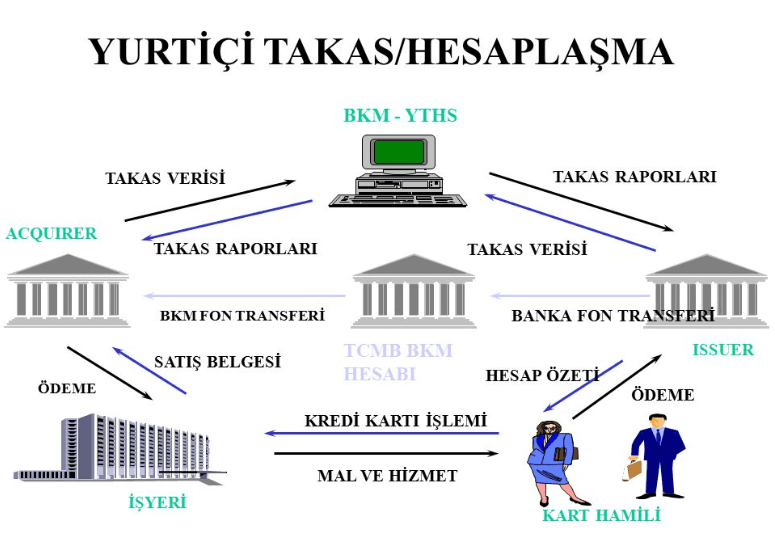
TCR stands for Transaction Record Component, the packets that carry transaction information in a clearing system. Transaction types in a clearing file are distinguished by transaction code and usage code values, and this data is sent inside TCR packets.

Merchant & POS
The MCC code, or Merchant Category Code, is a 4-digit code used to classify merchants. Some MCC codes are restricted or prohibited, and POS terminals or card transactions may be blocked when such a code is used.
Merchant & POS
Since the MCC code is a merchant's category code, it's critical for the checks performed during merchant onboarding and authorization, including campaigns and restrictions.

Payment Systems
ISO 18245 is an ISO standard on the management of Merchant Category Codes (MCC) in retail financial services. ISO 18245: 2003 defines the code values used to classify merchants by the type of business, trade or service they provide.

ISO 8583
F18-MERCHANT TYPE: This is the merchant's category code (MCC) information. It must contain values from the Mastercard or Visa MCC Code list. It is a 4-digit numeric value. For ATM transactions, MCC code 6011 should be sent. The role of MCC in authorization...

Merchant & POS
When signing a merchant agreement, merchants declare their line of business, which banks record as an MCC (Merchant Category Code). A merchant may only sell products or services within the line of business declared to its bank.
Online & Authorization
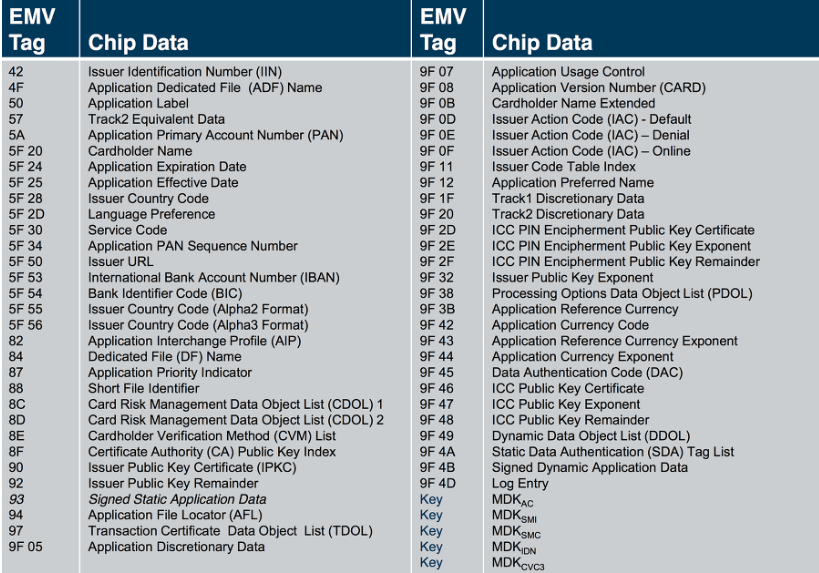
In EMV, data is stored in Tag-Length-Value (TLV) format, and it is carried between the card, the POS terminal, and the authorization system in this same format. This post lists every EMV Tag, its type, and its description.
Credit Card
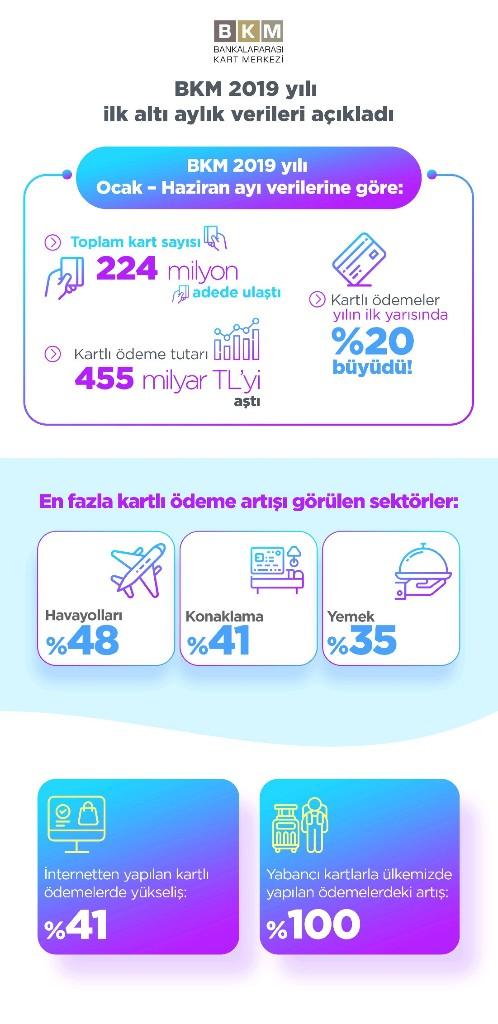
Payment systems statistics are reported periodically by the Interbank Card Center (BKM), including total card count, total card turnover, and the growth trend of the card world in the period.

Merchant & POS
An offline transaction is one approved by the card and the POS themselves, without going to any system (the card's bank or the POS's bank), when a chip card transaction is made at a POS. For this reason, some sectors considered risky are restricted.

Chargeback
A chargeback is the process of requesting that an amount paid by credit card be refunded, either because the goods or services paid for were not received, or because a transaction is identified as one the cardholder did not carry out.
Merchant & POS
Visa's Merchant Data Standards Manual covers classification, identification and data standard requirements for merchants, payment facilitators and marketplaces, including merchant naming, location and MCC rules. Here is what it contains and where to find it.