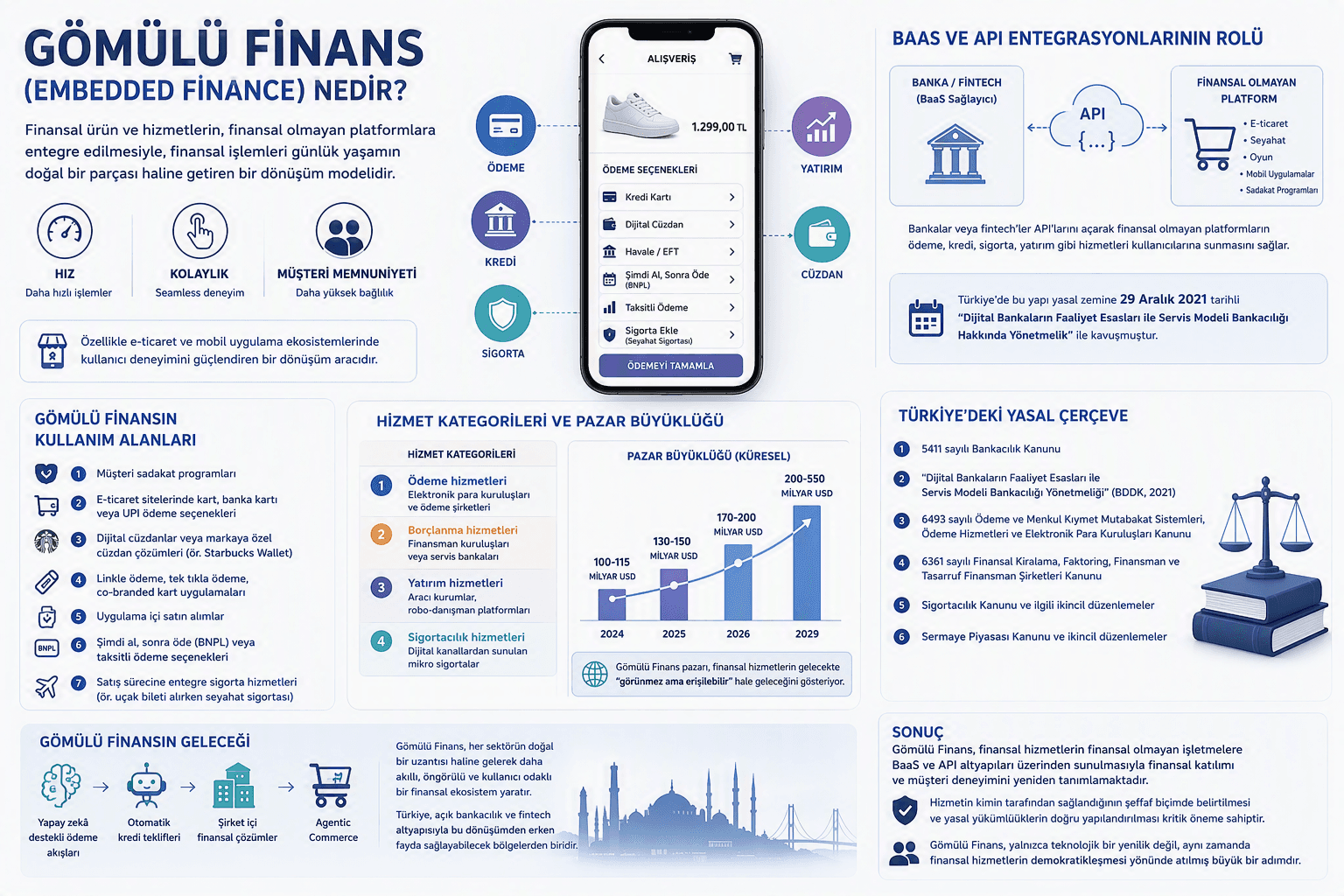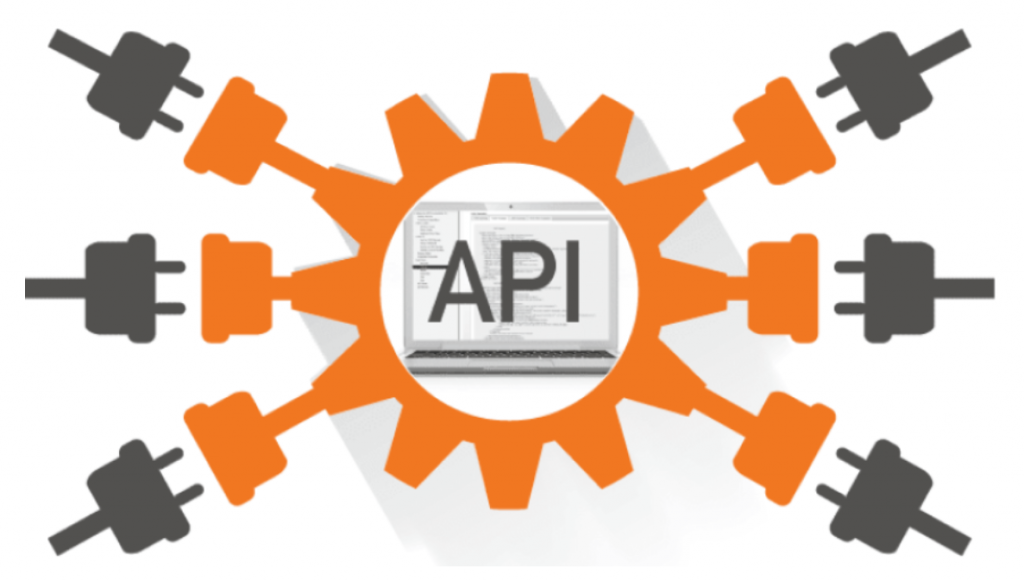
API, used as an abbreviation for "Application Programming Interface", is an interface that allows an application's functions to be accessed and used from outside or remotely. An API allows an application on a server to be reached from different platforms and allows information to be returned. Banking and financial services carried out via API make it possible to achieve a high level of success in meeting the needs of financial institutions and their customers.
API systems, which facilitate product development processes through data sharing, can be grouped under three headings:
- Internal API:
- Business Partnerships API
- Open API
Internal API Framework: These are API solutions created to serve between units within an institution, in order to speed up the institution's own software and solution development processes, increase efficiency, and provide improved security. In this
type of solution, the relevant API services only serve the institution's own units.
Business Partnerships API Framework: This API layer is offered for structures that provide services such as the institution's suppliers, service providers, and external marketing services — structures we can describe as the institution's business partners and define as B2B. It is offered in order to reduce costs in processes carried out with business partners, create a common language and standard, and provide improved security.
Open API Framework: This is the API layer developed with an approach in which an institution's various information and data services are now offered, through suitable API solutions, to anyone from outside who wants to access them, making it possible even for ventures and companies with no direct connection to the institution to develop innovative applications. It is offered in order to encourage developer communities, open up to wider markets, and increase innovative approaches.