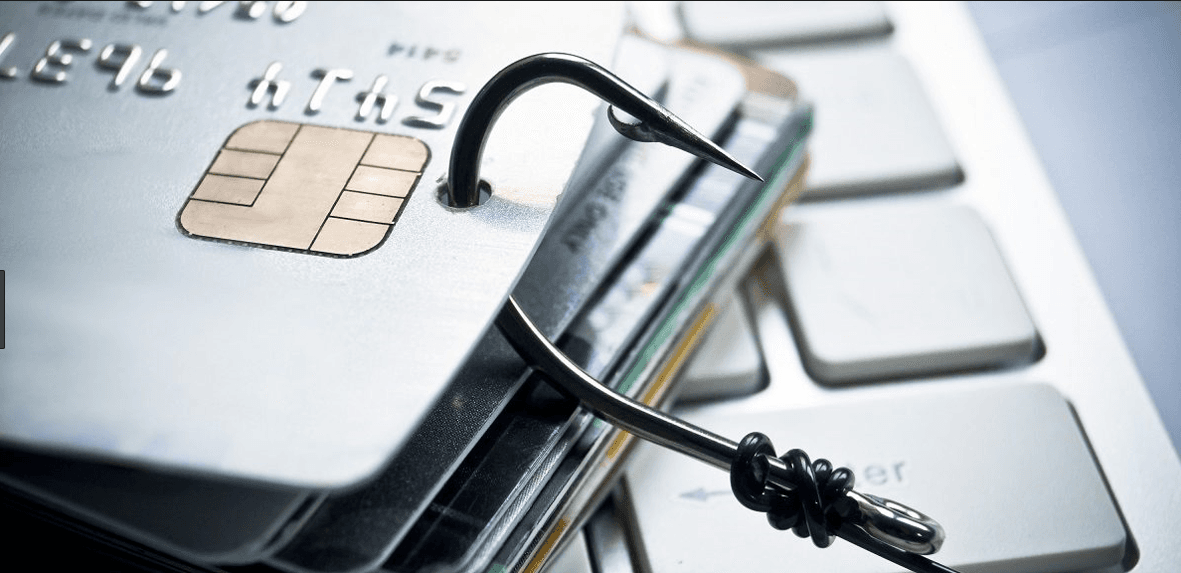
Data leakage can be described as the intentional or accidental disclosure of sensitive data through any channel where it is stored, processed or transmitted.
According to one study:
- 78% of companies experience data leakage from the inside.
- 60% of employees do not see using and sharing confidential company information as a problem.
- 50% of employees take some confidential company information with them when they leave a job.
The causes of data leakage can be divided into three:
Well-Intentioned Employees Inside the Organization
Violations of data security policies for any reason are among the main causes of data leakage.
Lost computers, and emails and transfers sent via external devices, create a significant risk of data loss.
The risk of data leakage increases when data-sharing security is neglected in relationships with third-party business partners and vendors, or when they fail to apply data security policies.
The risk of leakage also increases when sensitive data such as business processes and methods is learned or obtained by malicious parties, or is left exposed to attacks (especially when outdated or unauthorized business processes are not protected or updated).
Malicious Employees Inside the Organization
Malicious employees inside the organization may leak data (customer information, account information, card information, etc.) to serve a harmful purpose. For this reason, the utmost importance must be given to access to data within the organization and to keeping the data secure.
Targeted Attacks That Can Be Directed at the Organization from the Outside
These attacks are generally carried out by infiltrating the system an organization uses without being noticed, and by introducing and using malicious code that passes information to malicious persons or systems. To prevent such attacks, it is important to increase system security against malicious external access and to put the necessary alert mechanisms in place.
Are there applications used to prevent data leakage?
Yes, there are. This software is referred to as Data Leak Prevention (DLP) solutions. By preventing critical data that must not leave the company from being leaked, whether unintentionally or deliberately, they also make it possible to inform the relevant teams or individuals and to monitor data leakage.