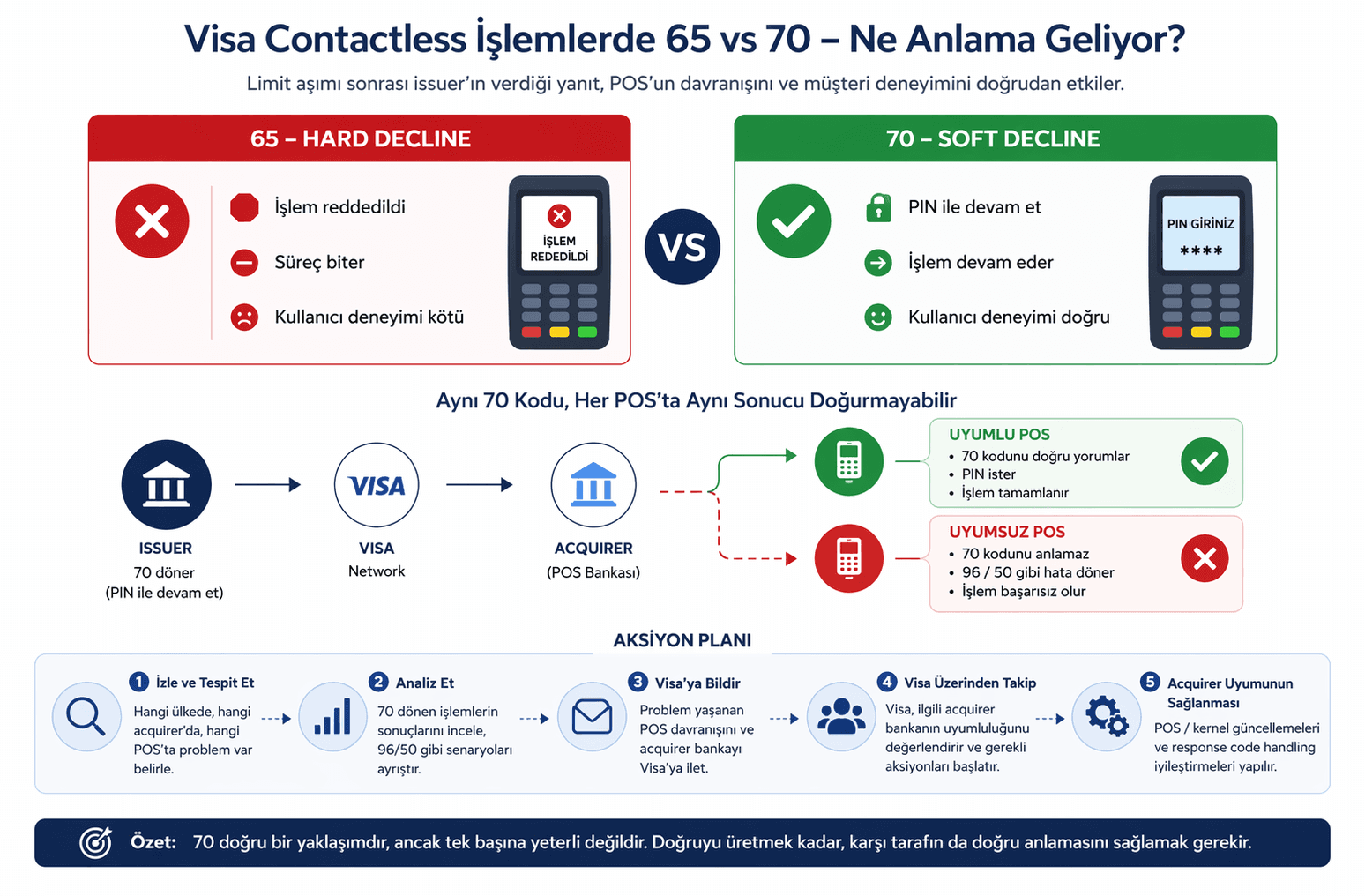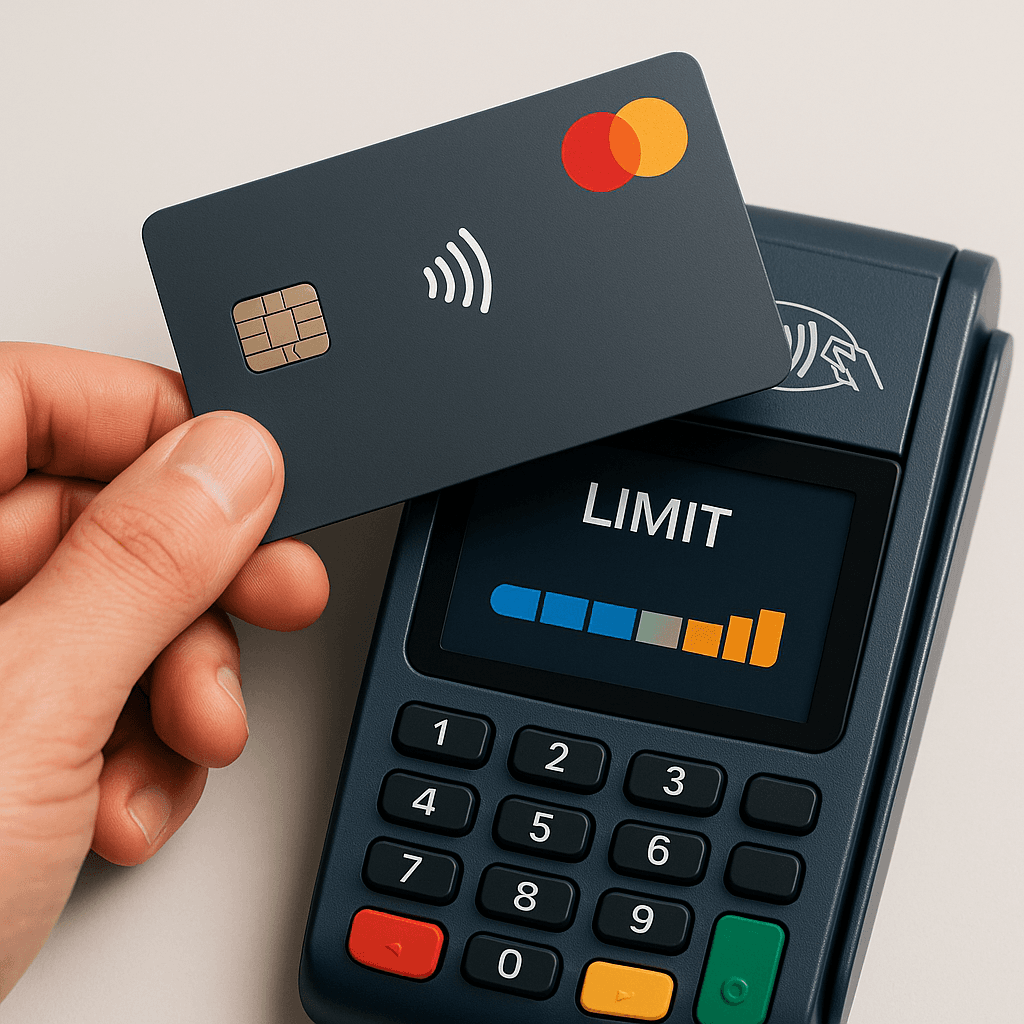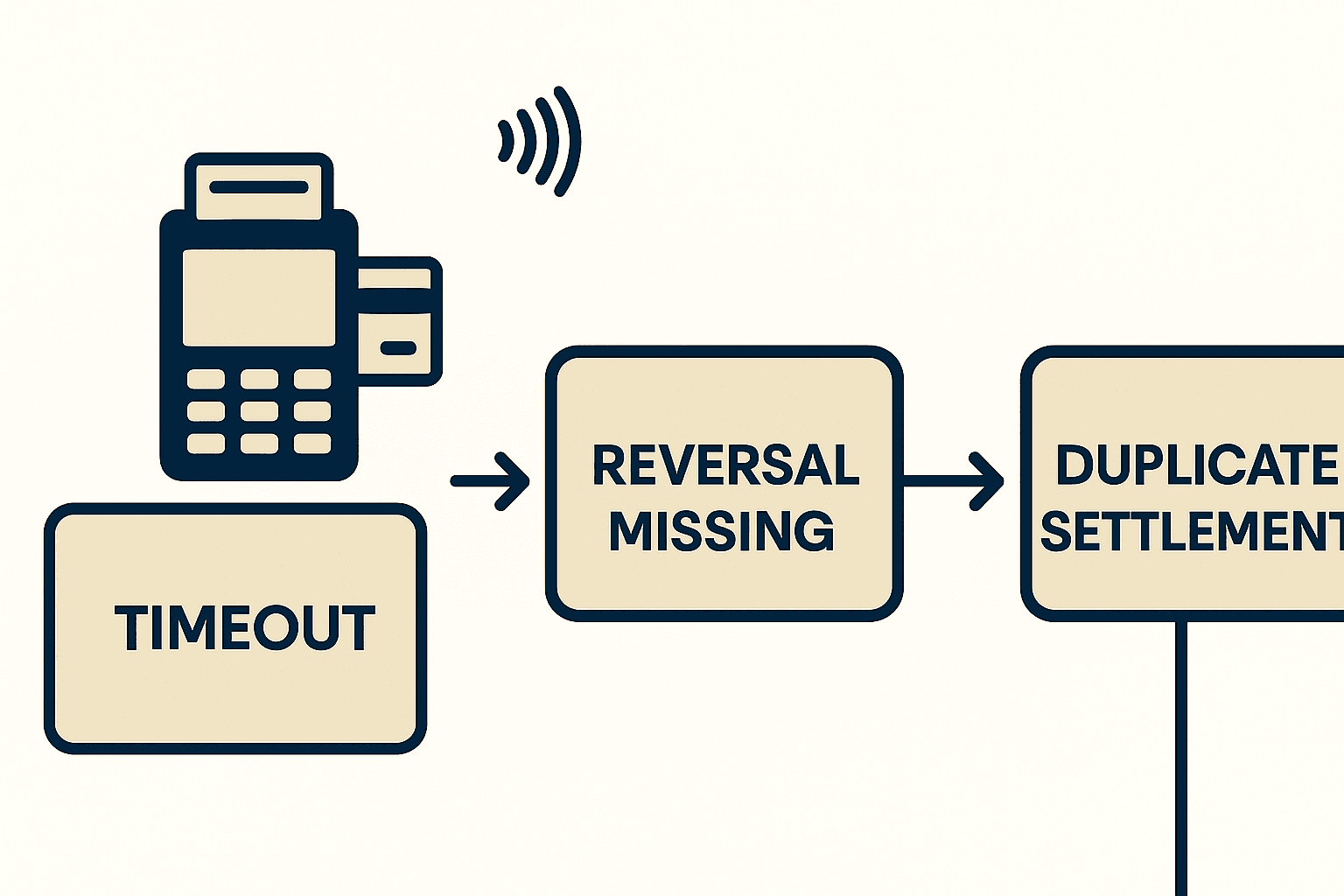
In purchases made with a credit card or debit card, the high-security connections provided by banks are called a payment gateway.
The high-security payment gateway connections provided by banks follow a process. This process, which does not take place on the site itself, cannot be tracked and cannot be seen even by the site's own administrators. After the process that takes place between the bank and the cardholder making the purchase, no information other than confirmation that payment has been received is passed on to the site, and this way the cardholder's information is perfectly protected.
How Is a Payment Gateway Set Up?
Payment gateway intermediary units can be set up by integrating the software provided by the site owner with the bank's system. The site must have a highly reliable SSL certificate, and the server on which the site is hosted must have a firewall. Whether this system, which will be tested by the bank, is compatible with the payment gateway system is likewise approved by the bank. The bank may choose not to allocate a payment gateway to a site that does not meet sufficient conditions.
As can be understood from this, setting up a payment gateway for e-commerce platforms requires having a solid infrastructure. Sites that do not have sufficient qualities, both in terms of security and accessibility, cannot use a payment gateway. These processes, which require significant costs in both software and hardware, are not an option but a necessity.