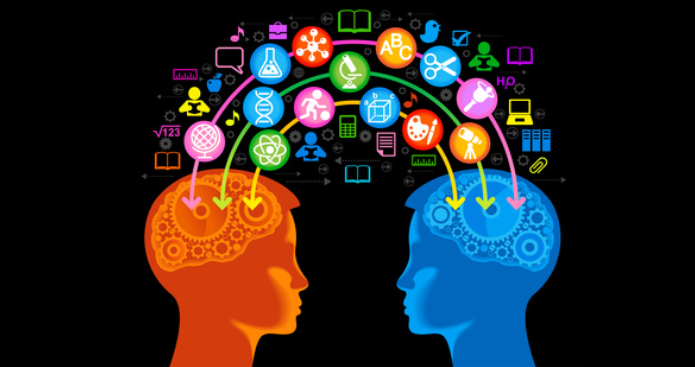
Neuromarketing is a technique for developing a marketing strategy from the results obtained by closely examining purchasing perception in the human brain. This technique seeks to understand consumer behavior, investigate the psychological and social reasons behind the formation of consumer behavior, and determine which way of thinking the target audience acts on.
So how does neuromarketing work?
There are two basic methods for monitoring brain activity.
- First method: Functional Magnetic Resonance Imaging (fMRI)
- Second method: Electroencephalography (EEG).
In the fMRI method, blood flow in the brain is tracked using powerful magnets while subjects respond to audio and visual cues. In this way, researchers attempt to understand how people truly react by accessing the deep regions of the brain known as the "pleasure center."
In EEG, electrodes are placed on the subject's scalp. These electrodes measure the brain waves produced by the brain. Researchers try to analyze the causes of emotions such as anger, excitement, and sadness by monitoring them through these electrodes.
These techniques have been actively used for some time. Major brands in particular use these technologies on various test groups during the process of product design, packaging, and advertising campaigns.
So what are the advantages of neuromarketing?
It offers the opportunity to better understand consumers
Since neuromarketing techniques focus not on what consumers say but on their subconscious, the triggering causes behind consumers' emotions can be analyzed more accurately, allowing their purchasing tendencies to be examined in greater detail. Thanks to these insights, brands also gain the opportunity to get to know their target audiences much more closely.
It enables more accurate decisions at a lower cost
Traditional market research can be both costly and ineffective for brands. However, thanks to evolving digital technologies and scientific methods, costs have decreased while decisions have become more accurate.
Scientifically based research conducted with test groups, rather than one-on-one interviews with thousands of people, provides more accurate results for brands.
It connects emotions and content
Today, thanks to neuromarketing techniques, it can be determined which moments in advertisements elicit stronger reactions from consumers. Based on these reflected emotions, brands create the most accurate content, forging a tight connection between emotions and content.
From the colors of the product packaging we see in stores, to the billboards we pass on the street, to the ads shown on TV and on social media, data obtained through neuromarketing techniques lies behind most of these choices. Neuromarketing techniques will continue to develop further in the coming period and take on an even more important role in marketing activities.