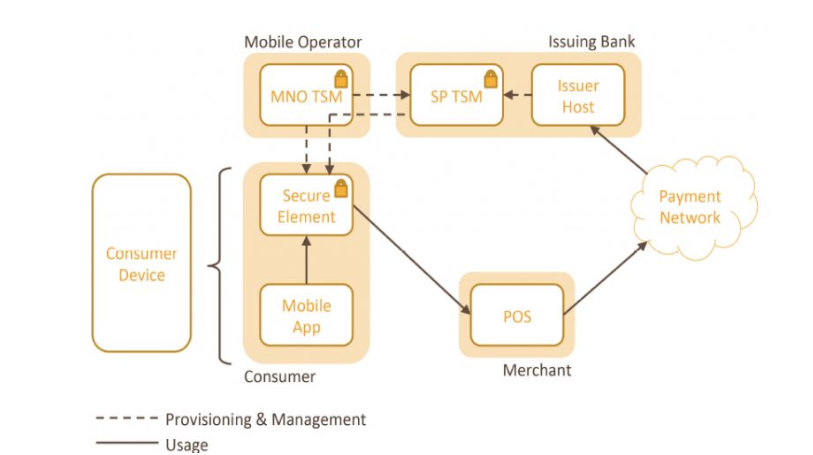
Secure Element Issuer is the stakeholder that provides, maintains, and updates the secure element in cases where the mobile payment application and card data are stored in the secure element inside the mobile phone.
What is a secure element?
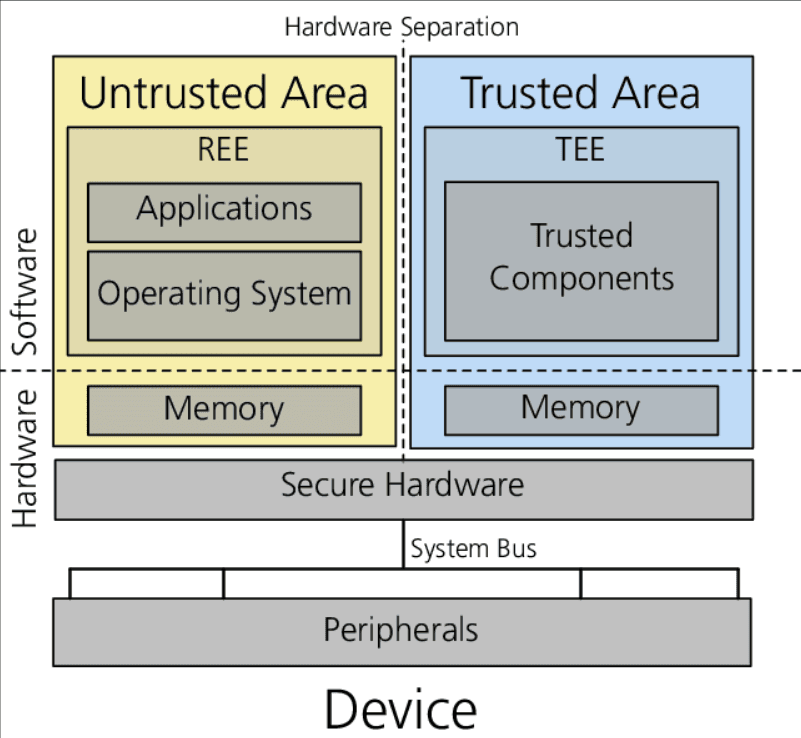
A secure element is a separate chip located inside a mobile device, designed to store sensitive data and perform cryptographic operations securely. It is protected against both physical and software-based attacks. In mobile payments, card data and keys are stored inside this chip.
Types of secure elements
- SIM-based: The secure element is located inside the SIM card. In this case, the secure element issuer is usually the mobile network operator.
- Embedded: The secure element is placed inside the phone during manufacturing. In this case, the provider is usually the phone manufacturer.
- External: The secure element resides on external hardware, such as a memory card. This method is not common today.
The role of the secure element issuer
The secure element issuer allows banks' payment applications to be loaded onto the secure element and is responsible for the security of this area. Banks must enter into an agreement with a secure element issuer in order to offer a mobile payment service.
Difference from HCE
The HCE (Host Card Emulation) method does not use a secure element. As a result, banks' dependency on a secure element issuer is eliminated, and the mobile payment service can be offered directly through the bank's own application.