Skip to content

Search

"Payment Methods"

144 articles found

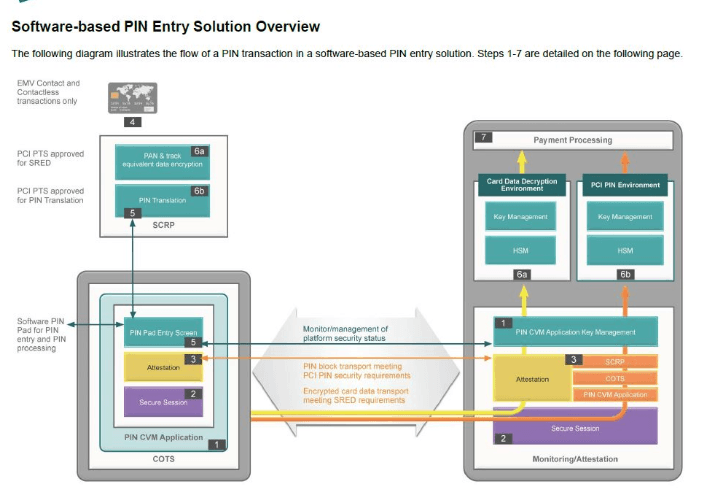
Diagram illustrating the SPoC solution architecture for secure PIN entry on a COTS device

Security

What is Software-based PIN Entry on COTS (SPoC)?

Published by the PCI SSC, Software-based PIN Entry on COTS (SPoC) is a standard that provides a software-based approach for protecting PIN entry on commercial off-the-shelf devices such as smartphones and tablets.


Illustration representing an online marketplace connecting buyers and sellers

E-commerce

What is a marketplace?

A marketplace is an online payment platform where buyers and sellers come together, where products and services are listed for sale, and other operations are facilitated.

Dynamic QR code payment verification illustration

Merchant & POS

What Is Dynamic Verification?

Dynamic verification means that, in a payment initiated with a dynamic QR code, transaction-specific details such as the recipient's name, account number and amount are verified online by the receiving participant at the time of the transaction.

Check-out button on an online payment screen

Security

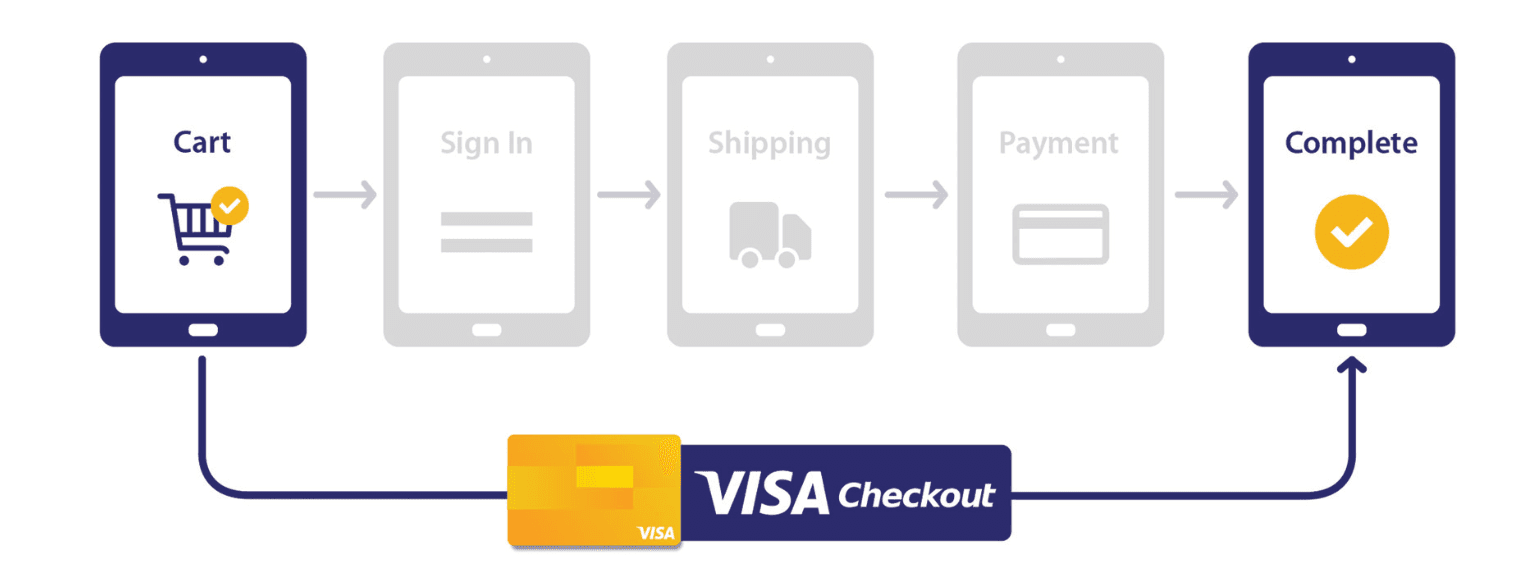
What is Check Out?

In online shopping, converting product browsing into a completed sale after a customer visits your site is just as critical. The amount of purchases abandoned due to friction in the online buying process often exceeds successful sales.

Illustration explaining OTP one-time password verification

Security

What Is OTP (One-Time Password)?

These are passwords generated for one-time use and sent to the cardholder's phone to verify card transactions in payment systems. The password sent during a 3D Secure transaction is a common example.

Smartphone being used as a mobile POS device for a card payment

Merchant & POS

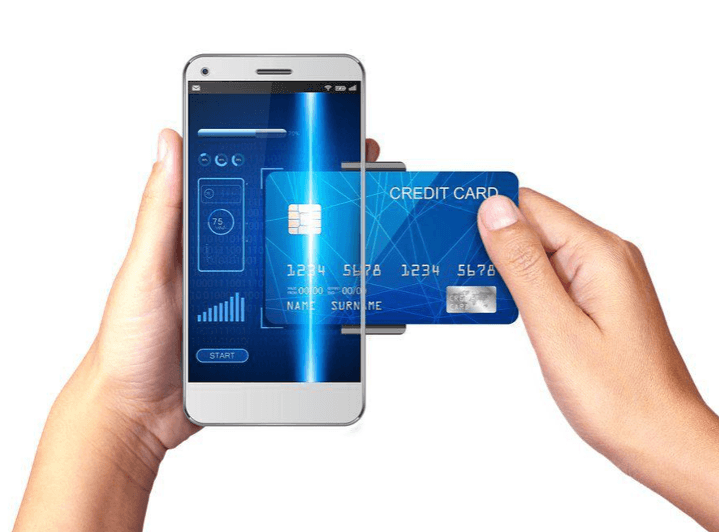
Mobile Phones Are Turning Into POS Devices

With advances in technology, mobile phones can now be used for many functions besides calls and internet access. One such innovation is the ability to use smartphones or tablets as POS devices.

Illustration of a card payment approved for a partial amount

Merchant & POS

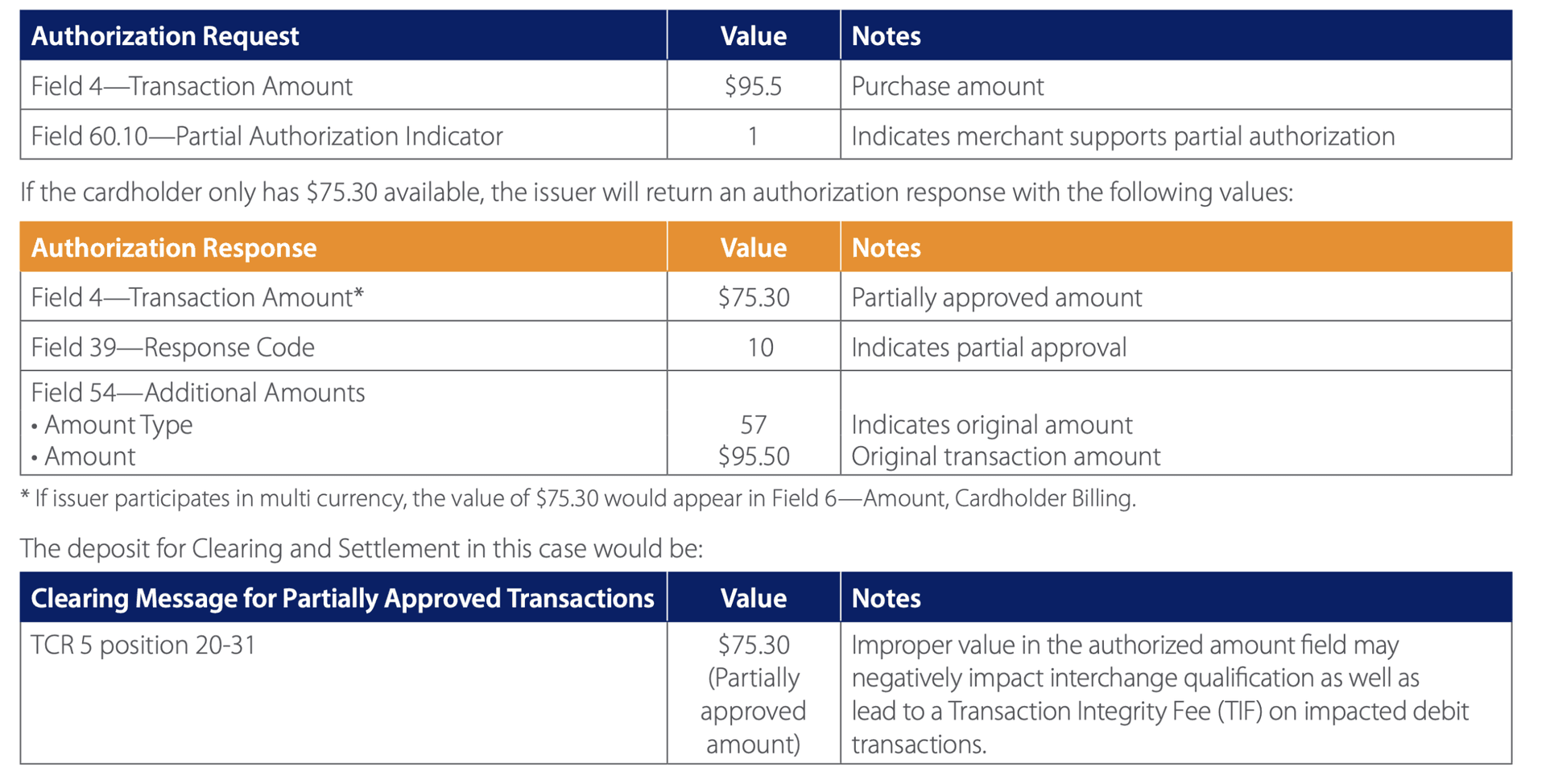
What Is Partial Authorization?

Partial Authorization lets an issuer approve part of a transaction instead of declining it when the balance or limit is insufficient. This post covers how it works in ISO 8583, whether it is mandatory, and why it matters for the business.

EMV chip card illustration

Online & Authorization

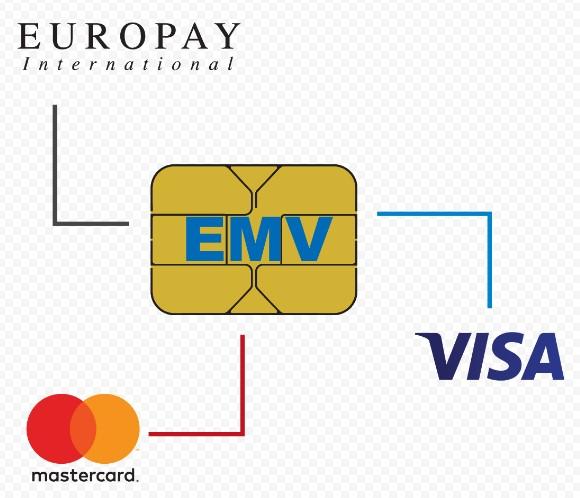
What is EMV?

EMV stands for Europay, Mastercard and Visa. In 1994 these companies formed a working group to set chip-card standards, leading to the EMV standards used worldwide today.

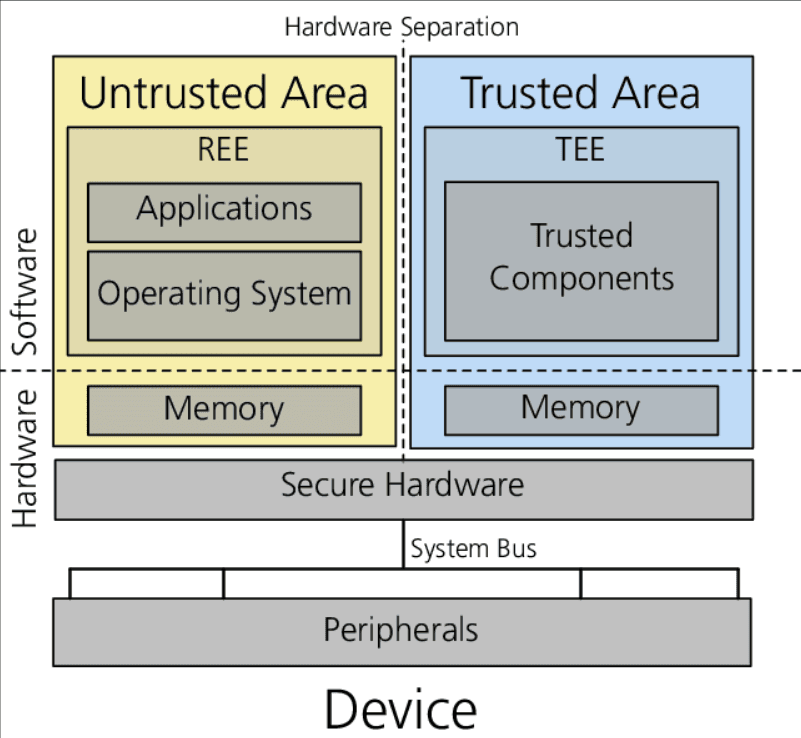
Diagram illustrating a Trusted Execution Environment (TEE) architecture

HSM & Security

What is TEE (Trusted Execution Environment)?

A Trusted Execution Environment (TEE) is an environment where executed code and accessed data are isolated and protected in terms of confidentiality (no one has access to the data) and integrity (no one can alter the code or its behavior). We may not realize it, but many…

Courier handing a package to a customer for cash-on-delivery payment

Merchant & POS

What Is Cash on Delivery?

Cash on delivery means paying for an online order at the moment of delivery, usually in cash, though some e-commerce sites also accept card payment at the door. It boosts sales and builds trust, but carries risks like missing POS terminals and refused deliveries.

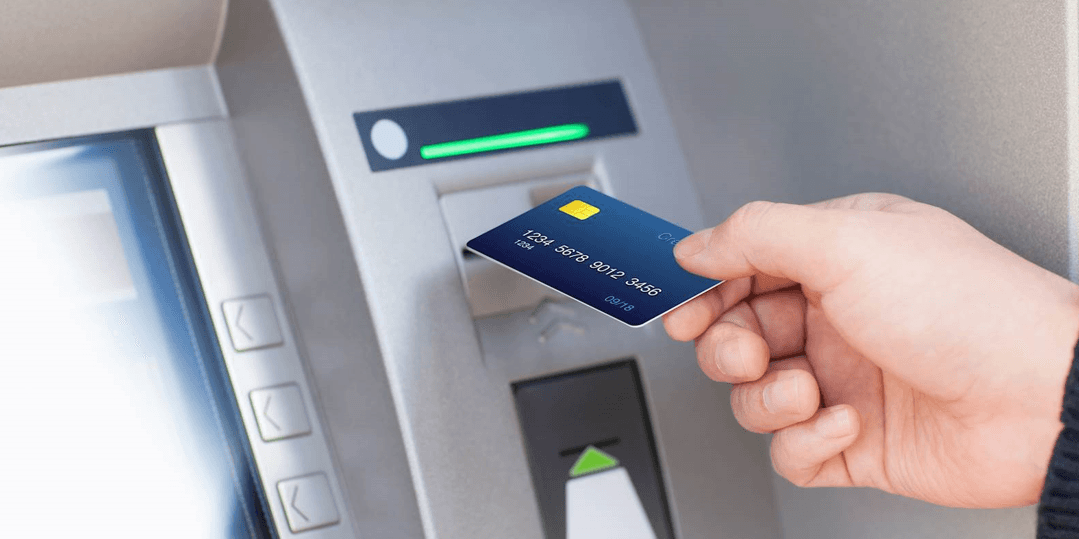
Illustration of ATM machines representing a shared banking network

ATM

The Netherlands is moving to a shared ATM network

Banks generally prefer to handle their own ATM software and operations. Some banks have third-party firms develop the software while handling operational processes themselves, so each bank ends up doing separate work for both.

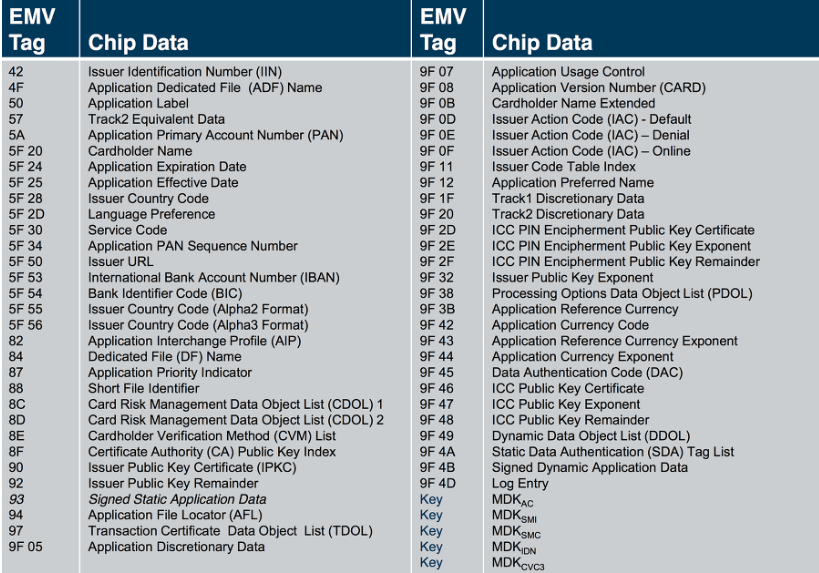
Diagram illustrating the EMV Tag-Length-Value (TLV) data structure used in card transactions

Online & Authorization

What are EMV Tags?

In EMV, data is stored in Tag-Length-Value (TLV) format, and it is carried between the card, the POS terminal, and the authorization system in this same format. This post lists every EMV Tag, its type, and its description.