Skip to content

Search

"integration"

122 articles found

Diagram of symmetric key types used in payment systems

HSM & Security

Types of Symmetric Keys

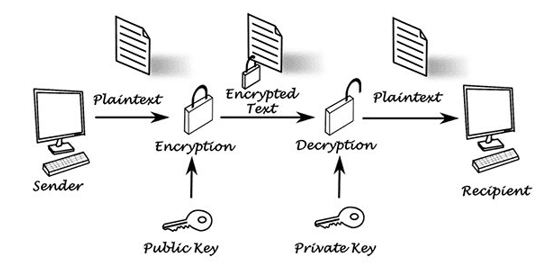
In the world of payment systems, keys and their uses are important for transferring information from one place to another, storing information, and securing authorization and scripting steps. Key types are divided into six categories based on their purpose.
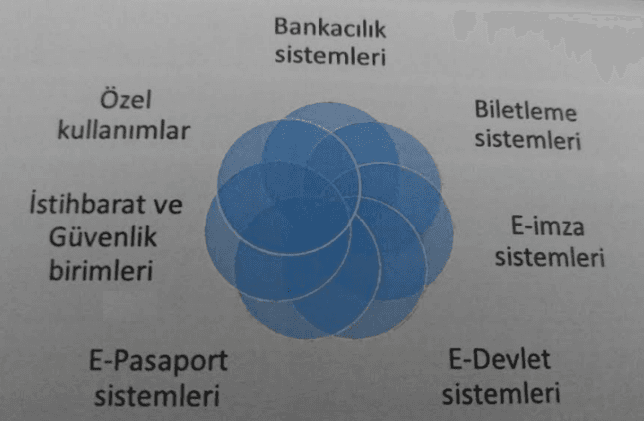

Diagram of HSM use case areas in security and payment systems

HSM & Security

What Is an HSM? What Is It Used For?

HSM, short for Hardware Security Module, is specialized security hardware built to store sensitive cryptographic keys in a physical environment and to perform cryptographic operations in the most secure way.

Diagram illustrating ISO 8583 Field 61 Point of Service (POS) data structure

ISO 8583

ISO 8583 Field Descriptions (F61)

F61 - POINT OF SERVICE (POS) DATA: This field provides information about the specific status of the POS at the time of the transaction. Position Usage Attribute 1 POS Terminal Attendance Indicator 0 = Attended terminal (Valid for MasterCard debit card and Maestro transactions only).

Diagram illustrating the ISO 8583 F55 field structure for ICC system related data

ISO 8583

ISO 8583 Field Descriptions (F55)

F55 - INTEGRATED CIRCUIT CARD (ICC) SYSTEM RELATED DATA: the field where EMV data is written on chip cards. It consists of components such as Position, Private Data Subelements, PDS Tag, PDS Length, and PDS Value...

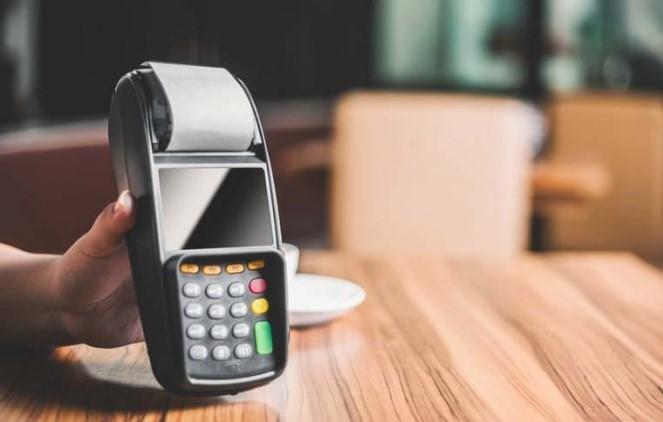
POS terminal used for processing card payments at a merchant

Merchant & POS

How Does a POS Device Communicate with the POS Bank?

A POS is a functional device with its own dedicated software, customized to the authorization system of the bank it is connected to, that accepts credit or debit cards. The POS and the authorization system communicate using the ISO 8583 standard.

ISO 8583 field 64 message authentication code

ISO 8583

ISO 8583 Field Descriptions (F64)

F64 — Message Authentication Code (MAC): verifies the origin and text of the message between the sender and the receiver.

Diagram illustrating the ISO 8583 F39 response code field

ISO 8583

ISO 8583 Field Descriptions (F39)

F39 - RESPONSE CODE: This is the code showing whether the transaction was approved or declined. It is 2-digit alphanumeric. Typically 00 is sent when approved, and a decline reason code is sent when declined.

ISO 8583 field 34 primary account number extended

ISO 8583

ISO 8583 Field Descriptions (F34)

F34 — Primary Account Number, Extended: this field is filled when the card number cannot be placed in F2 because it is longer than 19 digits or contains special characters.

Diagram illustrating the ISO 8583 field 32 structure

ISO 8583

ISO 8583 Field Descriptions (F32)

F32 - ACQUIRING INSTITUTION IDENTIFICATION CODE: the 11-digit acquirer bank ID. The values it can take for domestic transactions and by card brand include Visa, MasterCard, UnionPay, Discover and JCB formats.

Diagram illustrating ISO 8583 field F23, the card sequence number

ISO 8583

ISO 8583 Field Descriptions (F23)

F23 - CARD SEQUENCE NUMBER: Information used to distinguish cards sharing the same card number. For example, the Card Sequence Number is incremented by 1 when a card is renewed. In an authorization transaction, if the F22 value is '05x'...

Diagram illustrating the structure of an ISO 8583 message field

ISO 8583

ISO 8583 Field Descriptions (F14)

F14 - DATE, EXPIRATION DATE: the expiration date printed on the card by the issuing bank, a 4-digit numeric value in YYMM format. See how it's checked and why the YYMM order matters.

Credit card and smartphone illustrating online card payments without physically presenting the card

Credit Card

Do I have to use my physical card when shopping?

In the early years of credit cards, using the card physically was mandatory. With the internet and new technologies, we can now pay with only the card details, 3D Secure and contactless NFC payments, even without the card in hand.