Skip to content

Search

"ATM"

201 articles found

Diagram explaining the MCC merchant category code field in ISO 8583 messages

ISO 8583

ISO 8583 Field Descriptions (F18)

F18-MERCHANT TYPE: This is the merchant's category code (MCC) information. It must contain values from the Mastercard or Visa MCC Code list. It is a 4-digit numeric value. For ATM transactions, MCC code 6011 should be sent. The role of MCC in authorization...
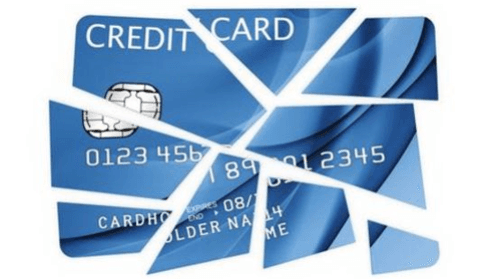
Diagram of ISO 8583 Field 3 Processing Code structure

ISO 8583

ISO 8583 Field Descriptions (F3)

Field 3, Processing Code, is the field that shows what type of transaction is being performed and is critical for authorization. A Sale from POS differs from a Cash Withdrawal at an ATM.

Illustration representing a credit-linked debit card

Debit Card

What Is a Credit-Linked Debit Card?

Some banks offer their customers a debit card product backed by an individual or corporate credit facility. How do these products work? First, these cards are printed as unembossed (no-name) cards and delivered by courier to branch staff. A credit application…

Close-up photo of a cracked payment card

Credit Card

My Card Is Broken. What Should I Do?

If your card is broken, call your bank's Customer Contact Center to request a renewal. Since the card number usually stays the same after renewal, this is convenient for you. If you'll keep using the card, don't set it to Closed or Cancelled status.

Diagram showing different types of POS terminals used for card payments

Merchant & POS

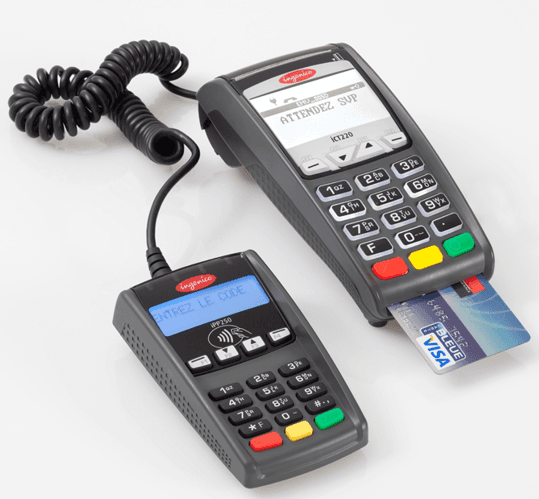
What Is a POS (Point of Sale)?

Virtual or electronic authorization devices connected to a bank, used by merchants to accept card payments. The term comes from the English phrase Point of Sale. Covers POS types by communication method, their advantages, who can use one, and the transactions a POS can perform.

Illustration representing electronic payment systems

Payment Systems

What are Payment Systems?

Let's talk about payment systems, which we have heard more about since the internet entered our lives, and the basic structures behind them. The first credit card in the world was used in America in the 1920s.

POS terminal used for a card payment transaction

Merchant & POS

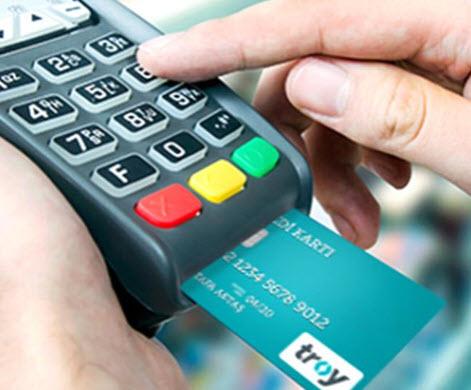
What Is a Timeout in Payment Systems?

In the world of payment systems, both the issuer (the cardholder's bank) and the acquirer (the POS/ATM bank) must follow certain rules for card transactions made through a POS terminal or an ATM. Responding to transactions within a certain time is one of these rules.

Diagram illustrating how netting works between two banks in the clearing system

Clearing

What Is Netting in the Clearing System?

In payment systems, a transaction made at a merchant or ATM with a card issued by a different bank becomes subject to clearing. Netting offsets each participant's receivables and payables from these transactions into a single balance.

Stand-in authorization flow diagram

Credit Card

What is Stand-In Authorization?

In the standard authorization flow, the transaction is initiated by the acquirer (POS bank) and forwarded to the issuer (card-issuing institution). The process is completed once the issuer responds. However, this isn't always possible; when the issuer fails to respond, BKM steps in...

Mir, the Russian national payment scheme, shown on a payment card

Credit Card

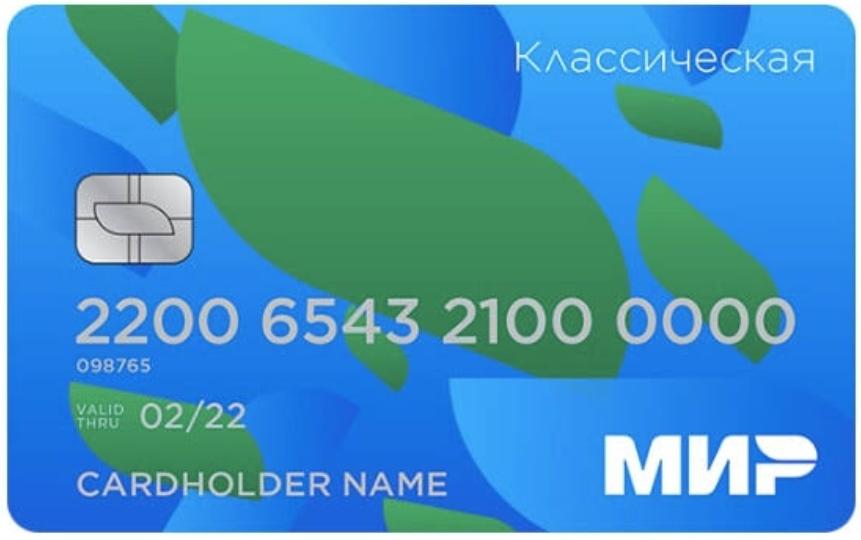
What Is MIR, the Russian Payment Scheme?

Mir means World and Peace. It is a national payment system established by a law adopted by the Central Bank of Russia on 1 May 2017. It is currently accepted mostly by Russia-based companies, but acceptance is gradually spreading.

Payment card illustrating magnetic stripe data used for PIN verification

Credit Card

What is PVV (PIN Verification Value)?

PVV is the number encoded on a card's magnetic stripe that allows the cardholder's PIN to be verified by ATMs and POS terminals. It is a 4-digit cryptogram calculated through a cryptographic operation using the PIN and card data. The real result is longer than 4 digits.

Diagram illustrating how a bank allocates a credit card limit

Credit Card

What does credit card limit allocation mean?

A credit card is a card whose limit the bank sets after evaluating the customer against criteria such as income, payment history, and credit bureau score.