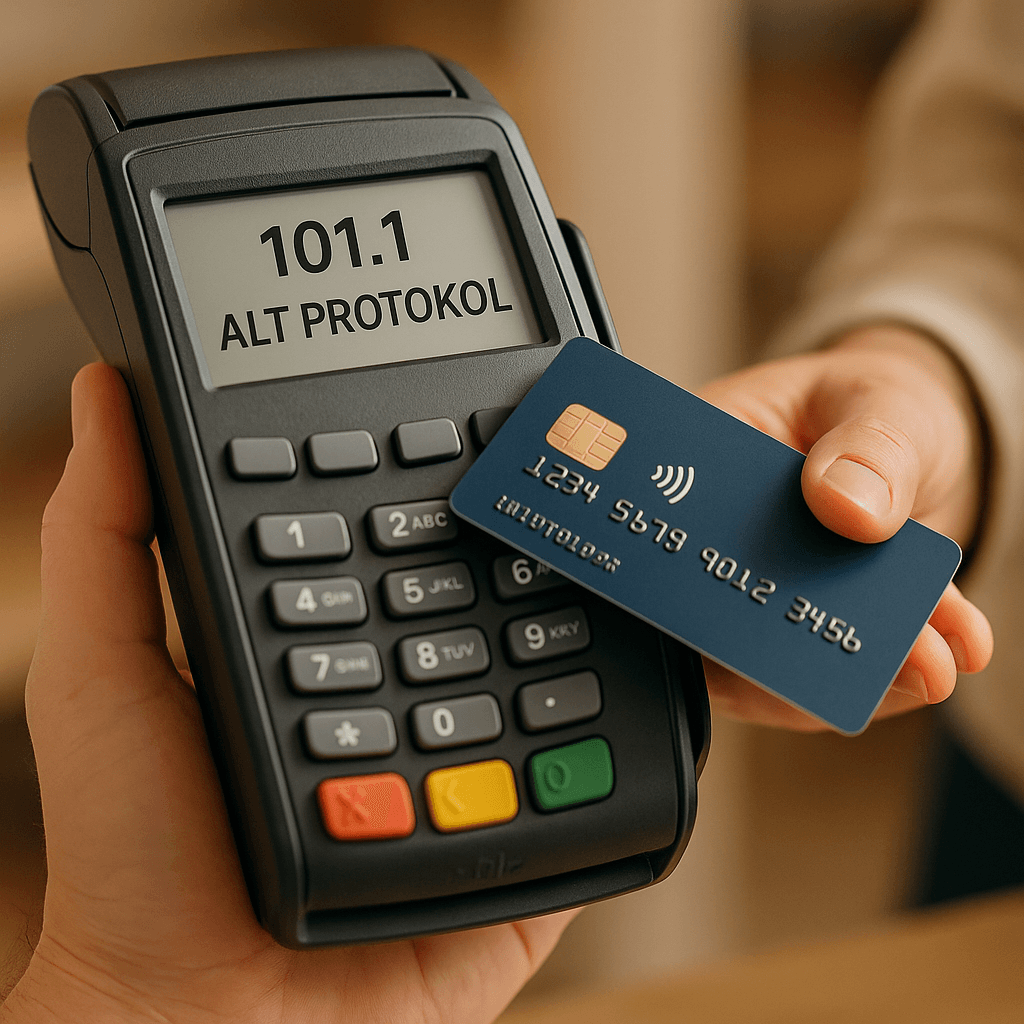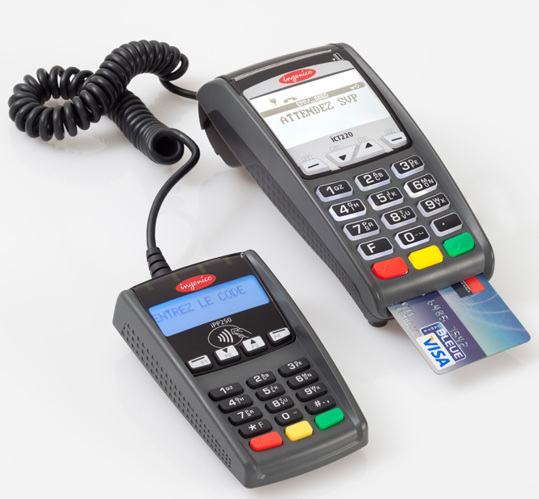
Virtual or electronic authorization devices, connected to a bank, used by merchants to accept card payments.
The term comes from the English phrase "Point of Sale."
POS types by communication method
Dial Up POS: POS devices that operate over a phone connection. Transaction speed is low because of the speed of the phone connection.
IP POS: POS devices that operate over an internet (IP) connection. Transaction speed is higher than Dial Up POS devices.
GPRS POS: A portable type of POS that has a built-in mobile line and is not tied to any fixed location. Because a monthly mobile line fee is paid, it is more costly than other POS types. It is generally used by companies that collect payment at the customer's door.
Virtual POS: Devices that are not physically installed and that allow virtual merchants to make sales. For a merchant to process 3D Secure transactions, a separate 3D Secure integration with the bank must also be set up.
Cash Register POS: In short, this is a device created by combining a POS and a cash register into one. Here, the term "POS" refers to an EFT-POS, meaning the device used to accept payment at the moment a credit card or ATM card is used. The distinguishing feature of these devices is that when you make an electronic payment with a credit card or ATM card, they send the related records to the Revenue Administration's database and print a receipt instantly. In this way, payment records are captured, backed up, and stored immediately. This keeps tax processes on record while also aiming to prevent unrecorded sales transactions.
Advantages of POS devices
- Allowing the cardholder to earn bonus points
- Making the transaction more attractive to cardholders through installments
- The ability to obtain approval even without the physical card present, through Mail Order, manual entry, etc.
- Keeping transactions on record, helping prevent unrecorded economic activity
- For merchants using the MultiCurrency version of a POS, the ability to process transactions in different currencies with foreign cards
- It checks whether the card used in the transaction is genuine, counterfeit, or valid.
Who can use a POS device?
- Commercial companies selling goods or services at fixed locations, on the move, or in virtual environments,
- Tax offices or government agencies,
- Municipalities collecting taxes or other payments,
- Clubs and associations,
- Site and apartment building management teams,
- Sports clubs
- Political parties
Transactions that can be performed through a POS
- Sale
- Installment Sale
- Points Redemption
- Sale Cancellation
- Refund
- Mail Order
- Manual Entry (keying in the card number manually from the POS menu)
- End-of-Day Batch
- Parameter Loading
- Printing a receipt for a past transaction