Online & Authorization
What is TLV (Tag-Length-Value)?
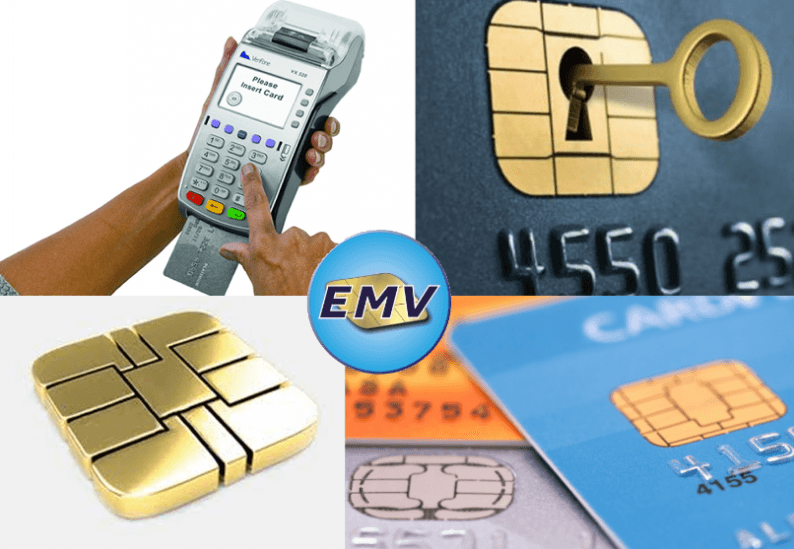
TLV is a data storage method used to speed up the parsing of data. For example, reading data from a card's chip at a POS and carrying it through authorization uses the TLV structure.
Search
138 articles found
Online & Authorization
TLV is a data storage method used to speed up the parsing of data. For example, reading data from a card's chip at a POS and carrying it through authorization uses the TLV structure.
Credit Card
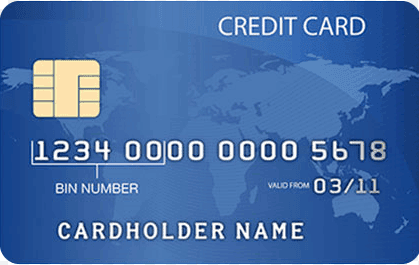
Banks increase the variety of their products and services to serve customers better. When introducing new products, they usually issue them under a new BIN. So are there valid rules for obtaining a new BIN (Bank Identification Number)?
Credit Card
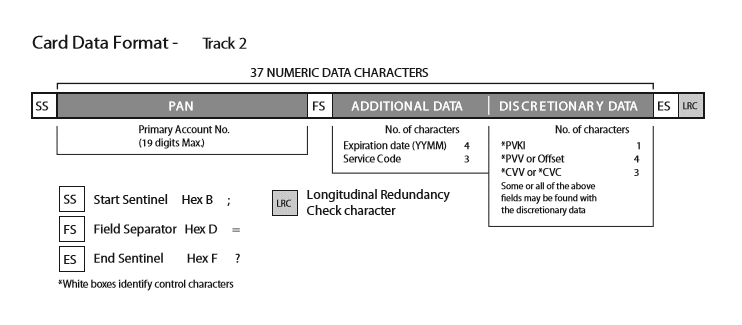
A special data set printed on a card's magnetic stripe, containing the card information required for authorization when the card is used physically. It consists of 40 numeric characters. The Track2 field structure includes several data fields such as length and description.
Credit Card
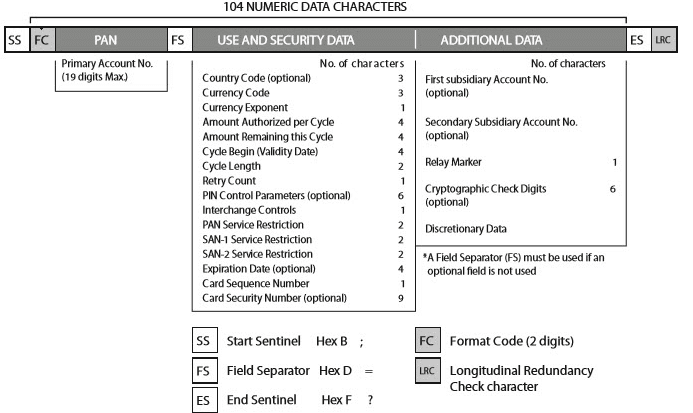
Track3 is a field that doesn't need to be written to the card's magnetic stripe. It's used only in very specific cases and isn't required for authorization transactions. Issuers generally don't encode Track3 data onto the card's magnetic stripe. It consists of 104 numeric characters.
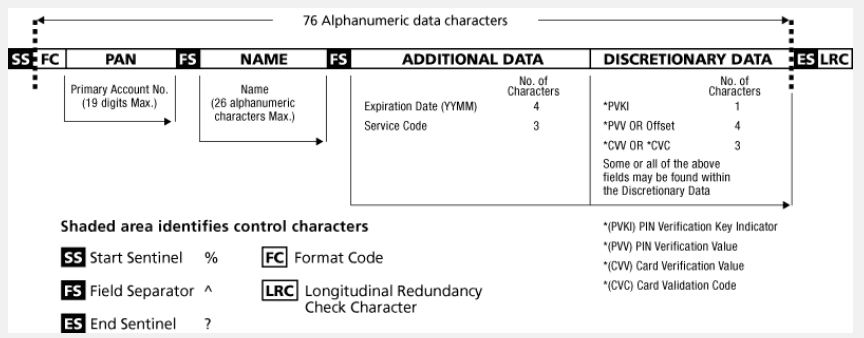
Credit Card
Track 1 is a special data set encoded on a card's magnetic stripe that contains the card information required for authorization when the card is used physically. It includes the cardholder name, card number, and expiration date.
HCE
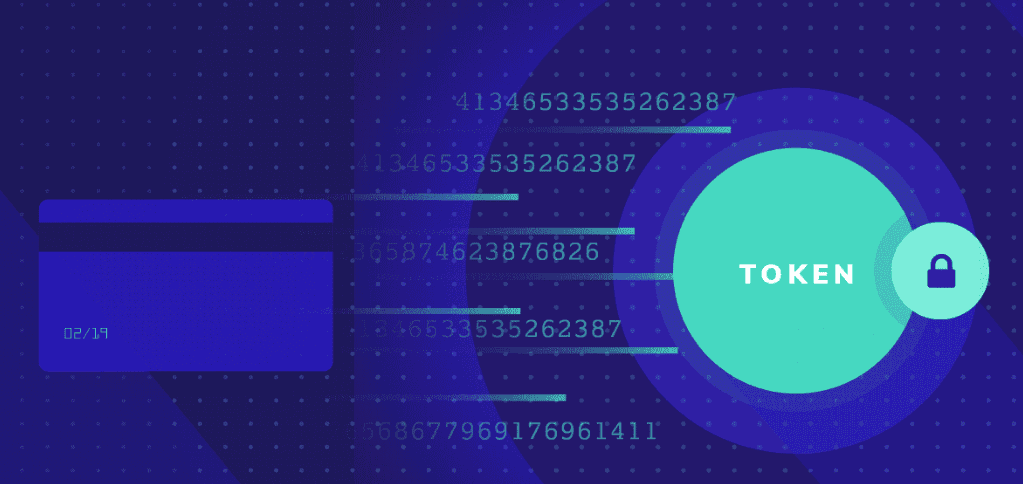
Tokenization generates secure data from a credit card number, using specific algorithms, for use during authorization. In CNP transactions, it removes the risk of storing or compromising the original card number.

Merchant & POS
GO Secure Payment is a system developed by BKM that verifies cardholders using a one-time password (OTP) during online purchases made with TROY cards, providing banks with a secure verification platform without needing to store card data.
Credit Card
The Application Interchange Profile indicates the application functions supported by the card. The AIP values and their descriptions are given below. Where is the AIP found? The AIP is a 2-byte piece of data stored on the card, carried under EMV tag 82.
Merchant & POS
Pre-authorization closing turns a pre-authorized transaction into a financial one, posting it to the merchant and cardholder accounts. See how amounts and available limit are affected.

ISO 8583
DE 48 - ADDITIONAL DATA: these are additional data fields that can be used specifically for transactions. It is 255 characters long. Field F48 carries many pieces of information and is divided into PDS (Private Data Subelements).
ISO 8583
F90 - ORIGINAL DATA ELEMENTS: the data elements from an original message, designed to identify the transaction in correction or reversal transactions. Subfields: Original MTI, Original DE 11 (STAN), Original DE 7, Original DE 32, Original DE 33.
ISO 8583
F39 - RESPONSE CODE: This is the code showing whether the transaction was approved or declined. It is 2-digit alphanumeric. Typically 00 is sent when approved, and a decline reason code is sent when declined.