Skip to content

Search

"transaction limits"

226 articles found

Table of AVS response codes by card scheme, showing address and postal code match results

Payment Systems

What Are the AVS Codes by Card Scheme?

The Address Verification Service (AVS) is a fraud prevention system that, when used effectively, can help limit fraud and chargebacks. This post lists the AVS response codes used by AMEX, Mastercard and Visa, with a description of each.

Illustration of voice shopping and mobile payments with Mastercard

Merchant & POS

MasterCard Is Getting Ready for Voice Shopping

Payment systems once meant a physical card and a PIN on a POS device. Digitalization that began with contactless transactions has accelerated with mobile payments, and MasterCard is now working on voice shopping and Soft POS in Turkey.

Illustration representing electronic payment systems

Payment Systems

What are Payment Systems?

Let's talk about payment systems, which we have heard more about since the internet entered our lives, and the basic structures behind them. The first credit card in the world was used in America in the 1920s.

Illustration representing the products and services KKB offers directly to its member institutions

Credit Card

What Products and Services Does KKB Offer Directly to Members?

KKB was established, under banking law, to enable the exchange of all kinds of information and documents among at least five banks, and it also shares credit information about customers. The Credit Bureau of Turkey also serves deposit banks, participation banks, financial institutions, and more.

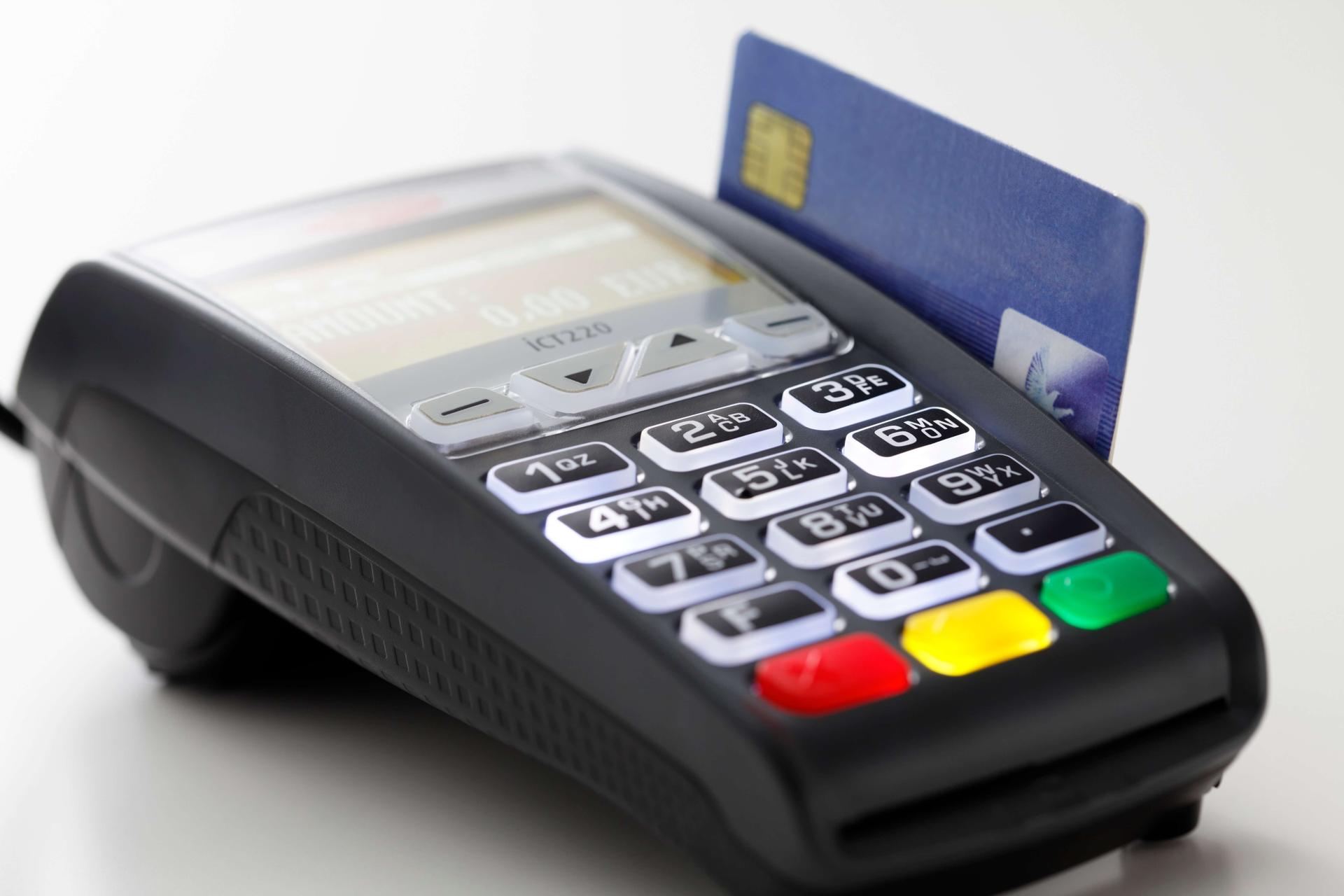
POS terminal device used to process chip card payments

Merchant & POS

What is Application Usage Control (AUC)?

AUC (Application Usage Control) specifies restrictions that limit an application by geography or by specific transaction types. It is a 2-byte data element in Tag 9F07. If present, the terminal performs checks such as whether the transaction is at an ATM.

Illustration representing an AI agent making purchasing decisions

Agentic Commerce

Agentic Commerce Series – Part 3

Can AI Decide on Our Behalf? Letting an AI agent handle research can make life much easier. The real question is where that should stop, and how much decision-making authority we are ready to hand over.

EMV Lower Consecutive Offline Limit 9F14 illustration

EMV

What Is the Lower Consecutive Offline Limit?

The Lower Consecutive Offline Limit is the maximum number of consecutive offline transactions allowed by the ICC application, as set by the issuer, on a terminal capable of going online. It is sent in tag 9F14.

Diagram showing how an open authorization moves to a card statement after batch close and clearing

Credit Card

What Is an Open Authorization?

In credit card transactions made through a POS, receiving approval alone is not enough for the transaction to post to the card's statement period; settlement must also take place. The settlement period, known as the open-authorization waiting time, varies by transaction type.

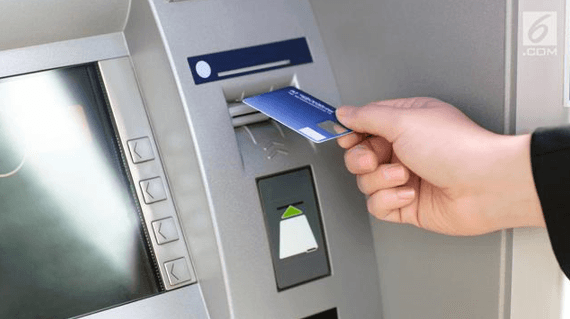
Transactions available at an ATM

ATM

Transactions You Can Make at an ATM

Moving branch transactions to channels such as ATMs, internet banking and mobile banking lowers banking costs, so almost every transaction can now be done through them. Here is what ATMs offer.

Illustration explaining what a non-secure e-commerce card transaction is

Payment Systems

What is a Non-Secure transaction?

A non-secure transaction is an e-commerce transaction approved without any verification before authorization, such as SMS OTP. In short, authorization is obtained by verifying only the card number, expiration date, and CVV2.