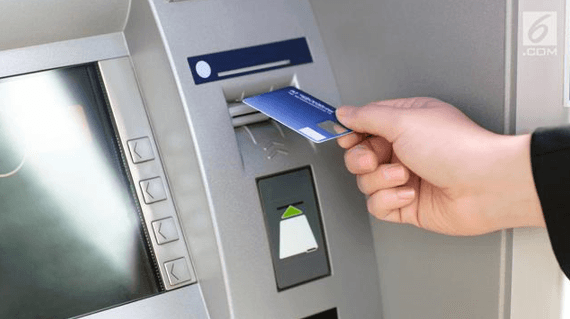
Since directing transactions made at branches to channels (ATM, internet banking, mobile banking, etc.) is important for reducing banking transaction costs, almost all transactions can be made through channels. Although the transactions that can be made at an ATM vary from bank to bank, we can roughly list the following:
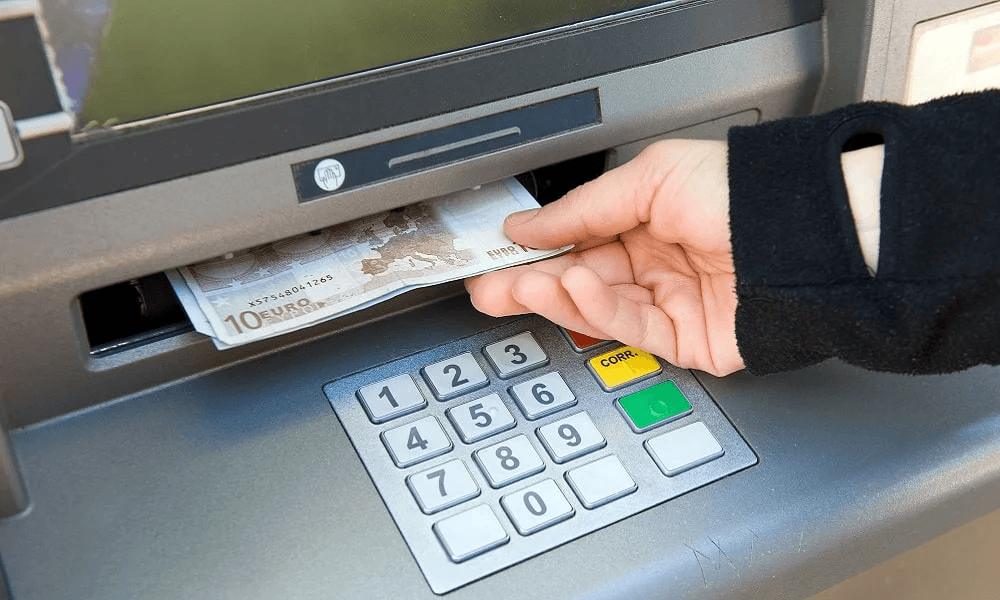
- Cash withdrawal,
- Cash deposit,
- Balance inquiry
- PIN change
- Foreign currency/investment transactions,
- Credit card debt payment
- Bill payment
- Credit card debt inquiry
- Credit card limit inquiry
- Credit card debt payment
- Applying for credit cards and other banking products
- Cardless cash withdrawal,
- Mobile top-up (TL loading)
- Viewing current exchange rates
Cardless transactions
Today, transactions can be made at ATMs not only with a card but also without one. Cardless transactions are usually made in the following ways:
- Scanning a QR code generated in the mobile app on the ATM screen
- Withdrawing cash with a one-time code generated in the mobile app
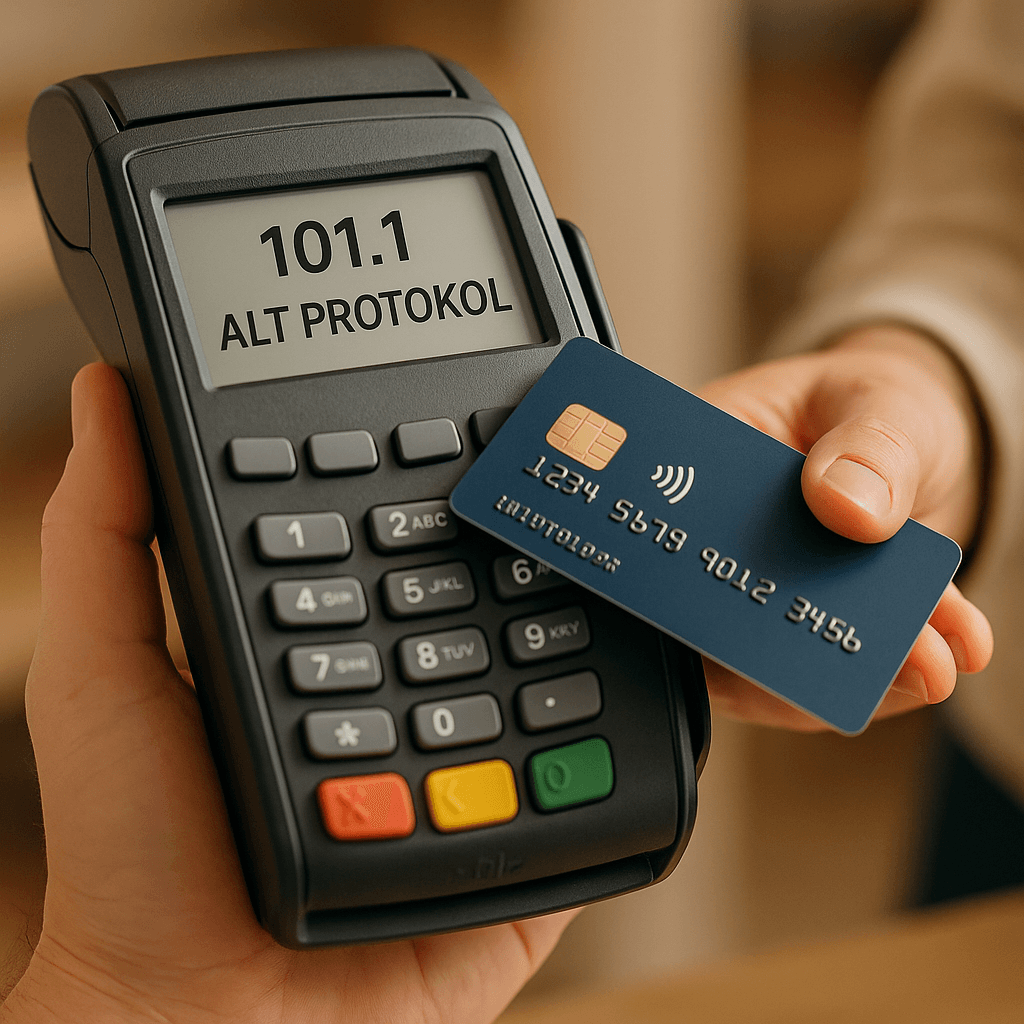
- Holding the phone near the ATM's contactless reader
Shared ATM networks
Many banks open their ATMs to shared use. This way, a customer of one bank can also make transactions at the ATMs of other partner banks free of charge or for a low fee. Shared ATM networks allow banks to share ATM investment and operating costs.
Transactions available at another bank's ATM
The transactions that can be made at another bank's ATM are usually more limited than at your own bank's ATM. While basic transactions such as cash withdrawals and balance inquiries can be made at most ATMs, bank-specific transactions such as bill payments or investment transactions can only be made at your own bank's ATM. Whether a fee applies to transactions at another bank's ATM depends on the agreements between banks.
Security tips
When using an ATM, it is recommended to cover the keypad while entering your PIN and to check whether there is an unusual part on the ATM.