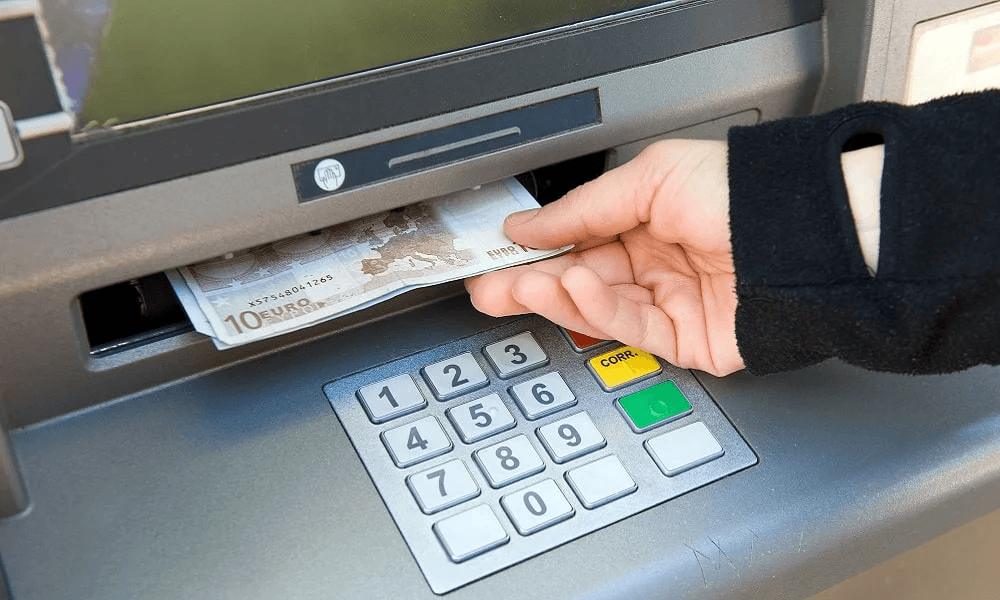
During an ATM cash withdrawal, when all checks have been completed and the decision to give the money to the customer has been made, the money becomes ready to be presented to the customer.
For example, in a card-first, cash-after flow, if the customer leaves the ATM without taking their card, this money is not money ready to be given to the customer. This is because the customer is expected to take the card first before the money can be given. After the customer takes the card, the money becomes ready to be presented.
At this stage, two compartments need to be mentioned. The two compartments used in an ATM are the retract bin and the reject bin.
Reject and retract are terms that are often confused. How can we tell them apart?
The precondition for money to be moved to retract is that it has been presented to the customer. If the money was presented and the customer could not take it for some reason (a broken shutter, the customer not taking the money, etc.), it is the customer's money and is moved to retract. The retract cassette is checked based on the complaint record from the customer.
If the money was not presented to the customer, it is considered money that was not given to the customer; it is moved to the ATM's reject unit and is not sent back to the ATM's cash units.