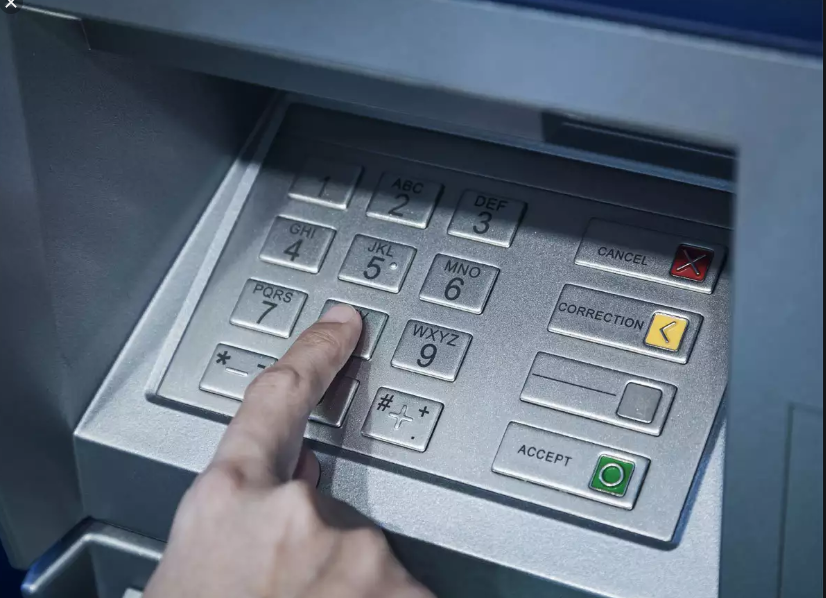
This is a term used in the ATM system within payment systems.
In transactions made at an ATM;
To examine this situation, the cash is dropped into a compartment. This compartment is called reject (the reject bin). Retract is the customer's holding bin, while reject is the ATM's reject bin.
Reject and retract are terms that are often confused with each other. How can we tell them apart?
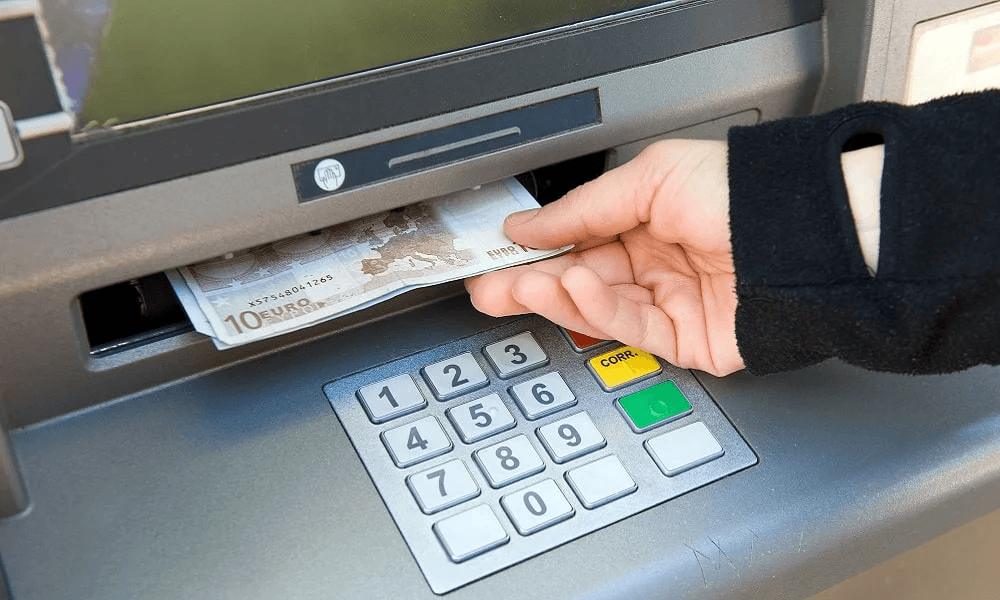
For cash to be moved to retract, the precondition is that the cash must have been presented to the customer. If the cash was presented to the customer and the customer could not take it for some reason (the shutter malfunctioning, the customer not taking the cash, etc.), it belongs to the customer and is placed into retract. The retract cassette is checked based on the complaint record received from the customer.
If the cash was not presented to the customer, it is treated as cash that was never given to the customer and is dropped into the ATM's reject unit; it is not sent back to the ATM's cash units.
What accumulates in the reject cassette?
During banknote counting, notes that are stuck together, torn, dirty, or unreadable are set aside into the reject cassette without being given to the customer. This cash has not been deducted from the customer's account, so it does not become a complaint.
When the cassette is emptied, the banknotes are counted and compared against the ATM's records. A high reject rate may indicate an issue with banknote quality or the device's mechanical maintenance.
Operations teams monitor this rate and plan preventive maintenance accordingly.