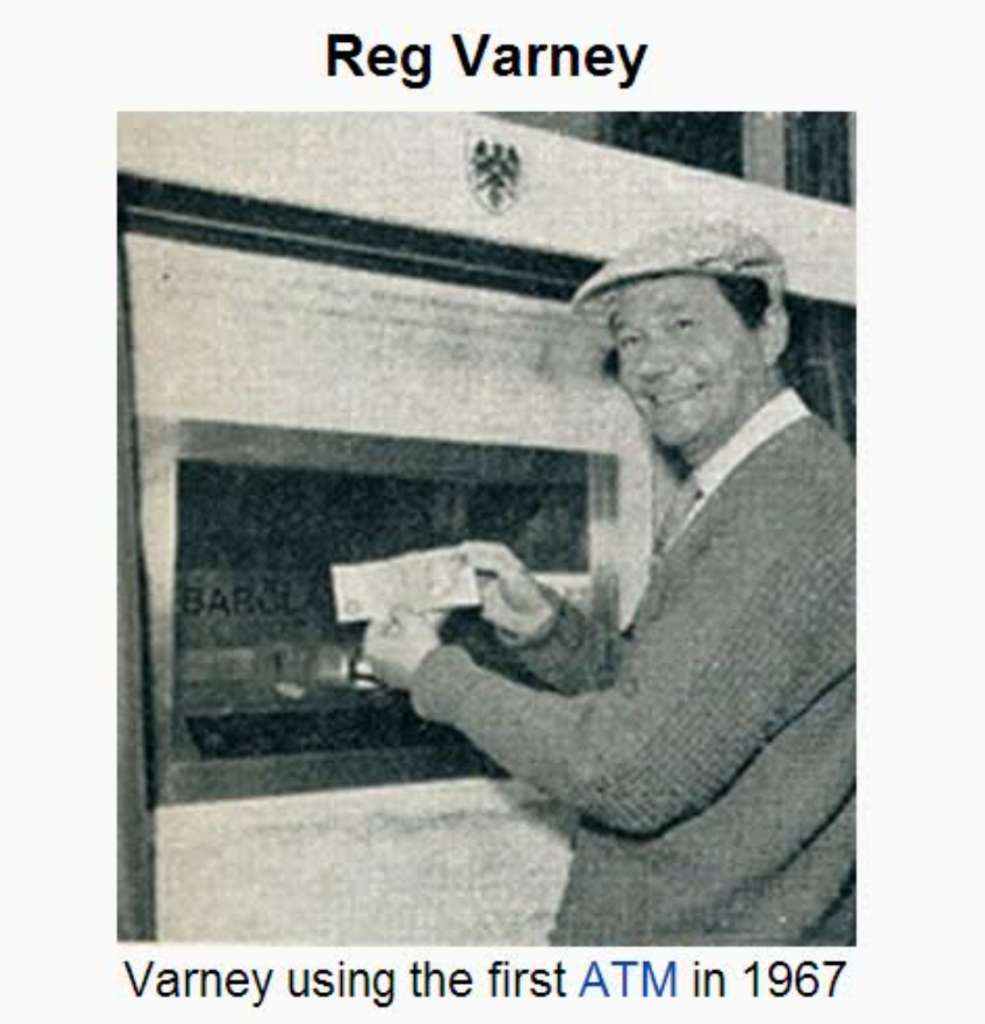
The first device that can truly be counted as an ATM was produced by De La Rue for Barclays Bank and put into service in the town of Enfield in London on 27 June 1967.
The ATM was first installed in Türkiye in 1982 by Türkiye İş Bankası under the name Bankamatik.
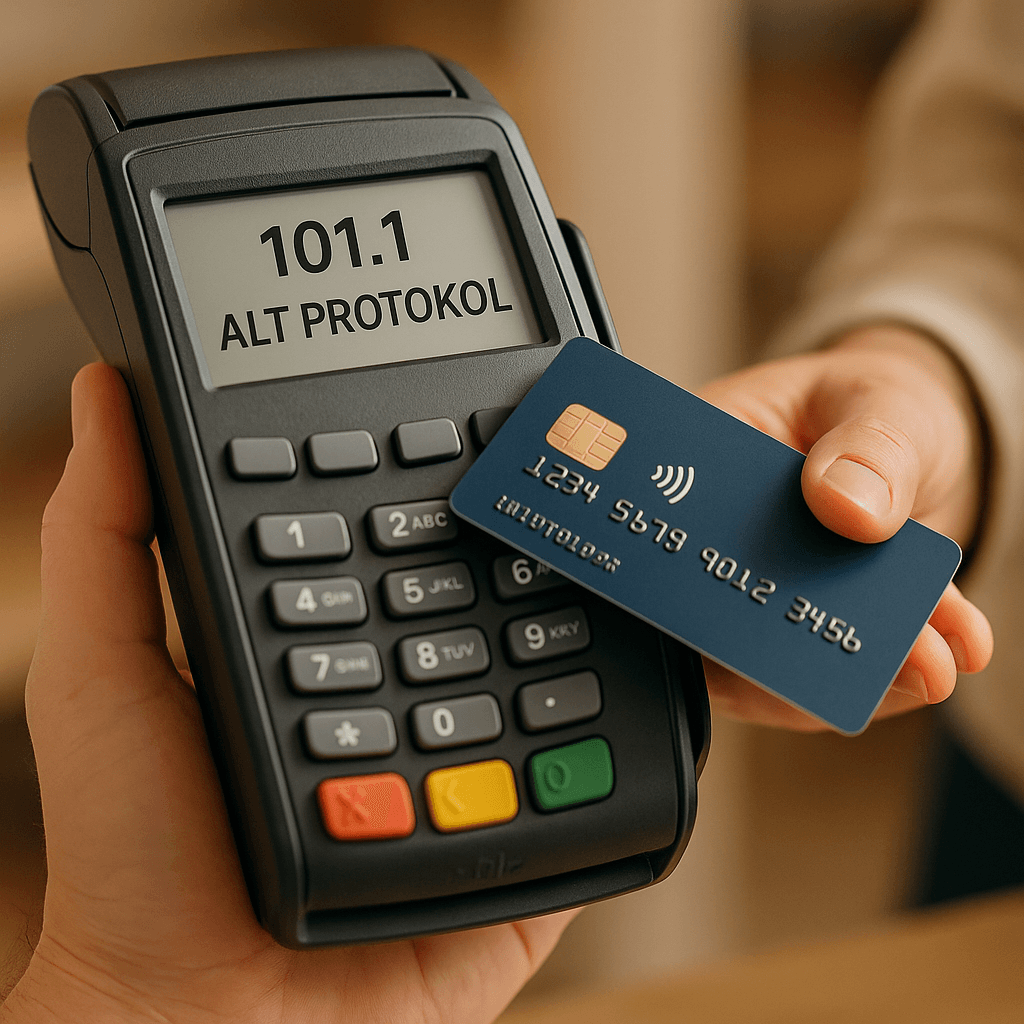
In their early years, ATMs accepted only magnetic stripe cards; due to developing technology, customer expectations and the need for security, they started to accept chip debit and credit cards as well.
With digitalization, QR code transactions initiated from mobile devices have also entered our lives, paving the way for cardless transactions at ATMs.
Let's see together what other developments ATMs will bring in the coming years.
The transformation of ATMs
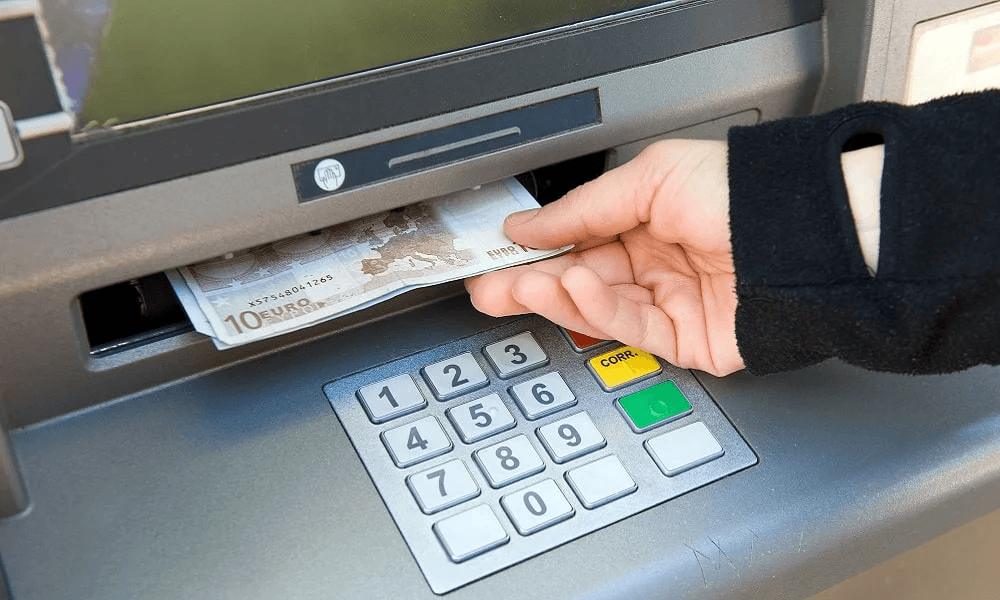
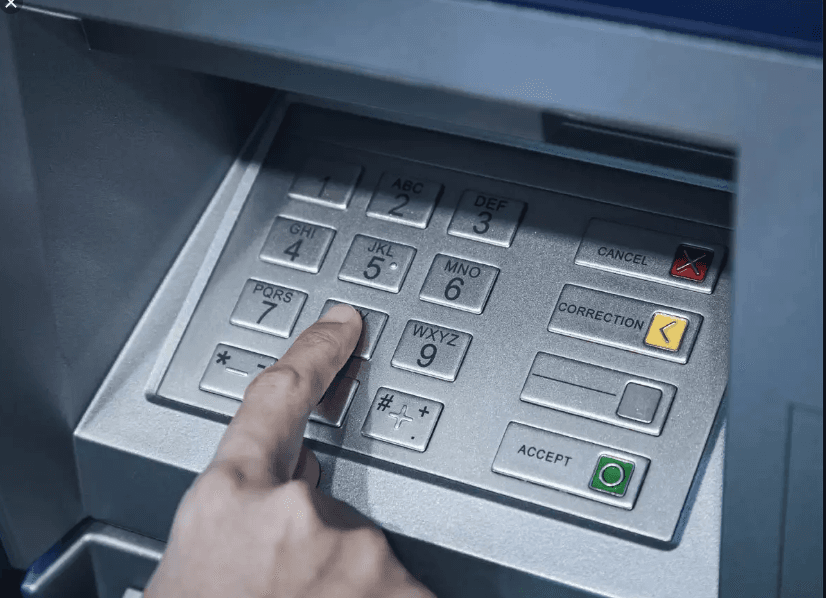
The first ATMs only dispensed cash and used special cheque-like vouchers. Over time, magnetic cards and PINs were added, followed by chips and then contactless technologies.
Today ATMs offer many services such as cash deposits, bill payments, cardless transactions and QR withdrawals. On the security side, encrypted communication, anti-skimming devices and remote monitoring have been developed against threats such as card skimming and safe attacks.
As an important channel for banking outside the branch, the ATM is redefining its role with digitalization.