Skip to content

Search

"banking"

700 articles found

Illustration representing the chargeback and dispute process in card payments

Chargeback

What Are the Domestic Exceptions to Chargeback Rules?

A chargeback is the refund of an amount paid by credit card to the cardholder's card when the purchased goods or services were not received, or when a transaction was not actually carried out by the cardholder.


Diagram illustrating how the Termination Tracking System (FTS) works

Payment Systems

What Is FTS (Termination Tracking System)?

FTS (Termination Tracking System) lets banks check, before signing a merchant agreement, whether the applicant company or its representative has a negative history with any bank.

Online shopping and e-commerce payment on a laptop with a bank card

Payment Institutions & E-Money

What are the advantages of working with a payment institution?

Online shopping keeps growing, and e-commerce sites must choose between working with a bank or a payment institution. This article explains why a single application and integration with a payment institution can be the better route.

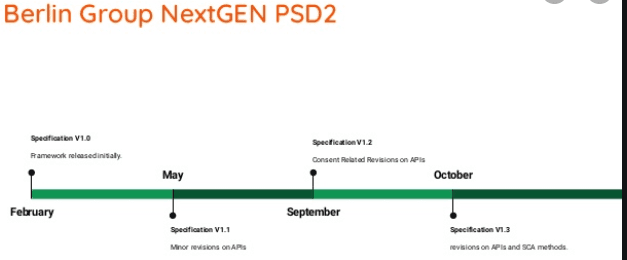
Diagram illustrating the NextGenPSD2 framework for open banking APIs

Open Banking

What Is NextGenPSD2?

NextGenPSD2 is the set of API standards launched by the Berlin Group in 2017, now involving more than 1,700 banks from 20 countries. This post explains what the framework offers to banks, fintechs and third-party providers under PSD2.

Credit card statement showing an unrecognized transaction

Credit Card

Is Your Card Making Purchases Without Your Knowledge?

While reviewing your credit card statement, you suddenly notice a transaction you never made. What would you think? Is your card going shopping while you sleep? Let's look at how this can happen and what to do about it.

Table of merchant sectors where offline transactions are restricted

Merchant & POS

In Which Sectors Can Offline Transactions Not Be Performed?

An offline transaction is one approved by the card and the POS themselves, without going to any system (the card's bank or the POS's bank), when a chip card transaction is made at a POS. For this reason, some sectors considered risky are restricted.

Merchant calling the bank from a POS terminal to report a suspicious Code 10 transaction

Merchant & POS

What is a Code 10 message?

Code 10 is when a merchant suspects the cardholder or the card is counterfeit and calls the card's bank, which then verifies the transaction with the merchant's bank. If staff suspect a card or cardholder, they should call the bank immediately.

Illustration representing a bank-owned POS device rented to a merchant

Merchant & POS

What is the Merchant Rental Fee?

When any sole proprietorship or commercial business applies to become a merchant, banks install a POS device, paying significant amounts to purchase each one, then rent the devices to merchants.

Merchant category code (MCC) and POS agreement illustration

Merchant & POS

What Should a Merchant Do When It Changes Its Line of Business?

When signing a merchant agreement, merchants declare their line of business, which banks record as an MCC (Merchant Category Code). A merchant may only sell products or services within the line of business declared to its bank.

New BIN card product launch process

Credit Card

What Happens When a Product Is Launched Under a New BIN?

When banks launch a new card product, they can do it under an existing BIN or a new one. A new BIN requires much more work: BKM announces it, every bank defines it and every POS has to download it.

POS terminal used for a card payment transaction

Merchant & POS

What Is a Timeout in Payment Systems?

In the world of payment systems, both the issuer (the cardholder's bank) and the acquirer (the POS/ATM bank) must follow certain rules for card transactions made through a POS terminal or an ATM. Responding to transactions within a certain time is one of these rules.