Skip to content

Search

"Card Numbering"

296 articles found

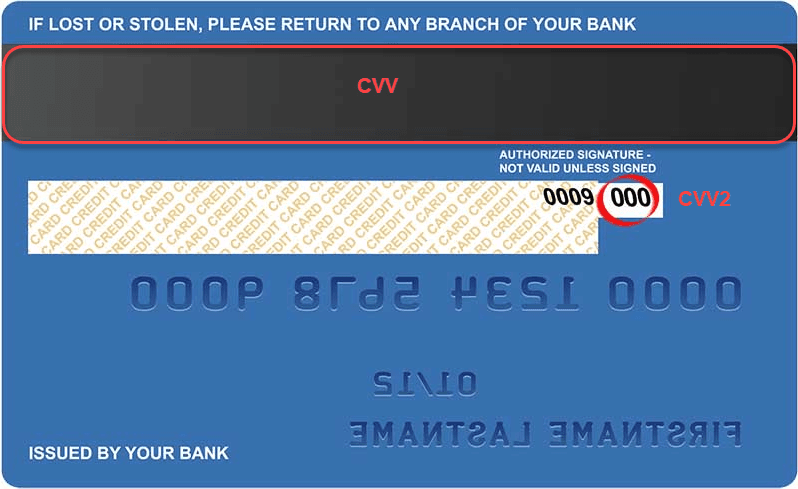
Credit card showing CVV security code location

Credit Card

Can a Card Have CVV Printed on Both Sides?

Yes. American Express cards have a 4-digit CVV on the front and a 3-digit CVV on the back, like other cards. Here's how payment forms should handle both formats and why logging the security code is never allowed.

ISO 8583 field 19 acquiring institution country code

ISO 8583

ISO 8583 Field Descriptions (F19)

F19 — Acquiring Institution Country Code: the country to which the location of the acquiring bank's device (ATM, POS, etc.) belongs.

Diagram illustrating the structure of the AFL (Application File Locator) field on an EMV card

Merchant & POS

What is AFL (Application File Locator)?

AFL (Application File Locator) is the field that shows where on the card the data needed for the authorization transaction is located. AFL is a list of the application data records on the card, and the terminal uses it to read the application data.

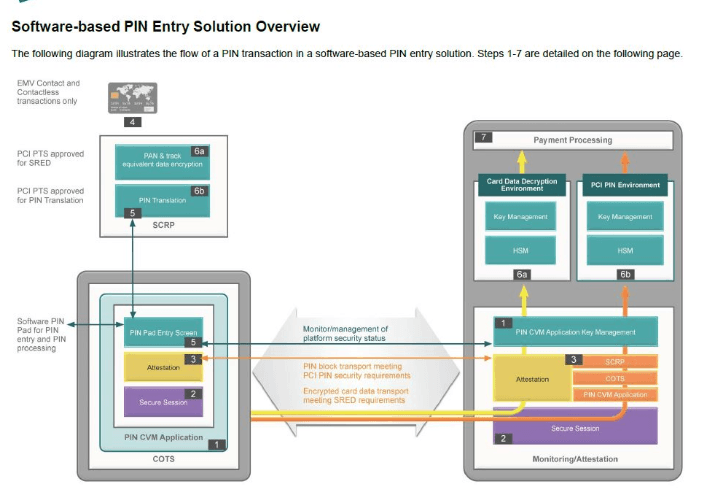
Diagram illustrating the SPoC solution architecture for secure PIN entry on a COTS device

Security

What is Software-based PIN Entry on COTS (SPoC)?

Published by the PCI SSC, Software-based PIN Entry on COTS (SPoC) is a standard that provides a software-based approach for protecting PIN entry on commercial off-the-shelf devices such as smartphones and tablets.

ISO 8583 field 52 PIN data encrypted PIN block

ISO 8583

ISO 8583 Field Descriptions (F52)

DE 52 — Personal Identification Number (PIN) Data: the field that holds the PIN data. PIN verification is carried out based on this field.

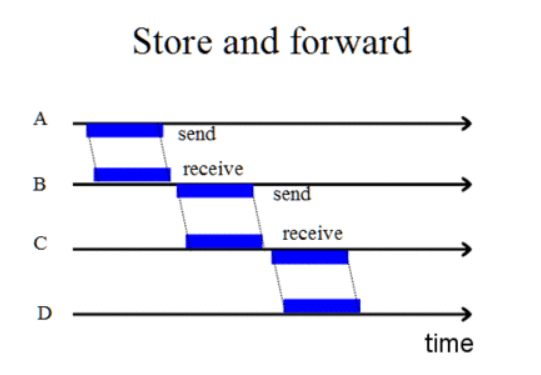
Diagram illustrating the Store and Forward (SAF) offline transaction process

Payment Systems

What is Store and Forward (SAF)?

Store and Forward (SAF) describes offline transaction processing. It was originally developed when modems were introduced and connections were not always stable, letting terminals store transactions and forward them once connectivity is restored.

Illustration of a customer completing a payment through an online payment link

Merchant & POS

What Are the Advantages of Paying with an Online Payment Link?

Advances in payment systems make shopping safer and easier for customers. For e-commerce sites and brands, offering reliable, practical and fast payment options is a serious advantage. An online payment link is one innovative way to accept payments without a POS device.

Diagram showing the Terminal Authentication Key (TAK) concept

HSM & Security

What is TAK (Terminal Authentication Key)?

TAK stands for Terminal Authentication Key. It is the data encryption key used to generate and verify a Message Authentication Code (MAC) for data communication between a terminal and the acquirer within a local network.

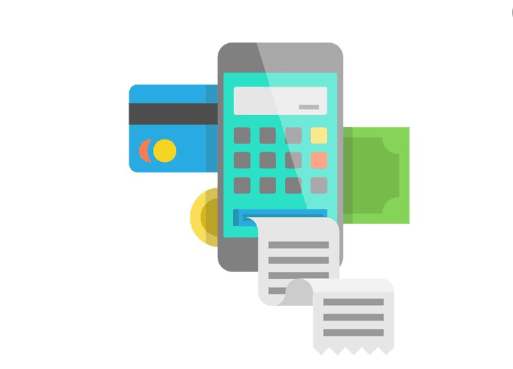
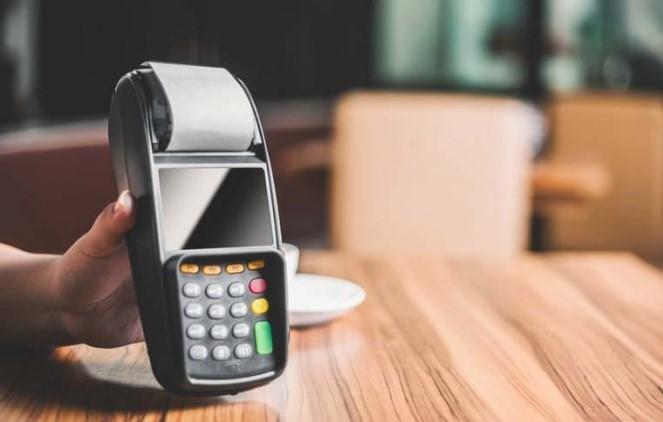
POS terminal used for processing card payments at a merchant

Merchant & POS

How Does a POS Device Communicate with the POS Bank?

A POS is a functional device with its own dedicated software, customized to the authorization system of the bank it is connected to, that accepts credit or debit cards. The POS and the authorization system communicate using the ISO 8583 standard.

ISO 8583 field 64 message authentication code

ISO 8583

ISO 8583 Field Descriptions (F64)

F64 — Message Authentication Code (MAC): verifies the origin and text of the message between the sender and the receiver.

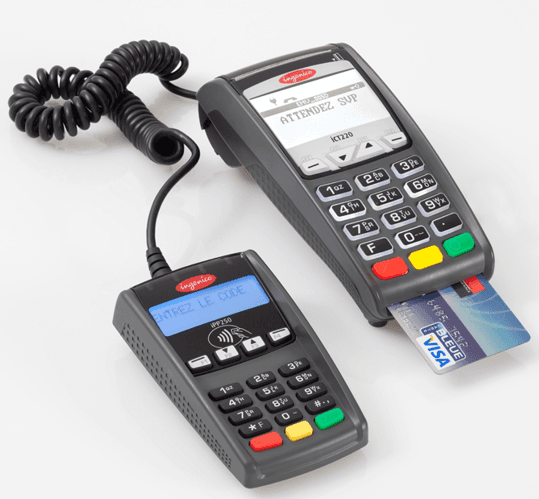
Diagram showing different types of POS terminals used for card payments

Merchant & POS

What Is a POS (Point of Sale)?

Virtual or electronic authorization devices connected to a bank, used by merchants to accept card payments. The term comes from the English phrase Point of Sale. Covers POS types by communication method, their advantages, who can use one, and the transactions a POS can perform.

Diagram of symmetric key types used in payment systems

HSM & Security

Types of Symmetric Keys

In the world of payment systems, keys and their uses are important for transferring information from one place to another, storing information, and securing authorization and scripting steps. Key types are divided into six categories based on their purpose.