Skip to content

Search

"POS systems"

167 articles found

Diagram of ISO/IEC card standards defining credit card dimensions and layout

Credit Card

Standards that define credit card design and operation

When payment systems come to mind, credit cards are usually the first thing people think of. Credit cards are produced according to specific standards, both in visual design and during printing. These standards belong to the ISO/IEC 781X family.
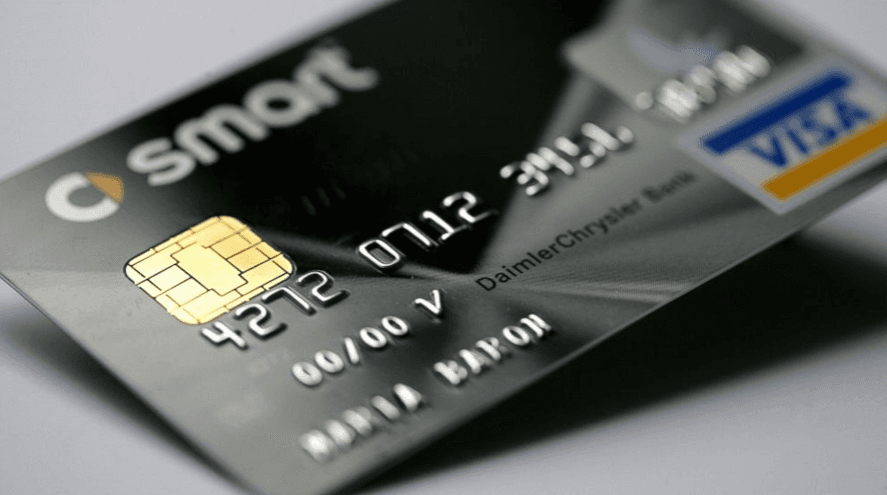
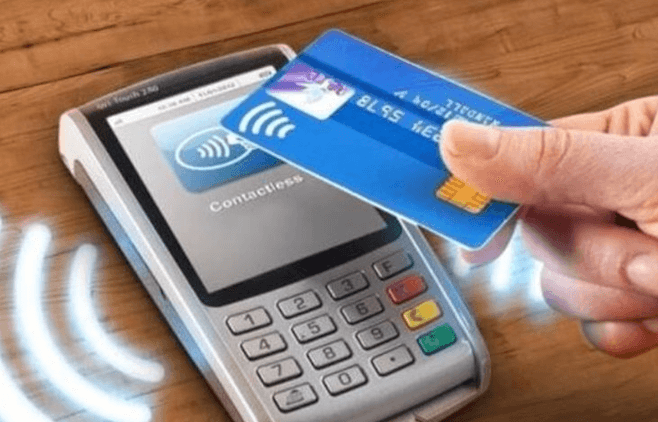
Illustration of the compliance process between merchant bank and issuer in card payments

Chargeback

What Is Compliance (Regulatory Compliance)?

Compliance means adherence to card scheme rules. Outside chargebacks, it is how a bank that loses money because card payment organization rules were broken recovers that amount from the party that caused the loss.

Contactless payment with a card on a POS terminal

Contactless

7 Reasons to Make Contactless Transactions

It is important to use contactless cards to prepare our payment habits for the future. In Turkey, one in every 3 cards and one in every 4 POS terminals is contactless-enabled, yet usage remains around 5%.

Payment card illustrating magnetic stripe data used for PIN verification

Credit Card

What is PVV (PIN Verification Value)?

PVV is the number encoded on a card's magnetic stripe that allows the cardholder's PIN to be verified by ATMs and POS terminals. It is a 4-digit cryptogram calculated through a cryptographic operation using the PIN and card data. The real result is longer than 4 digits.

Cryptocurrency mining concept illustration showing mining hardware and blockchain blocks

Cryptocurrency

What Is Cryptocurrency Mining?

Mining is the production of cryptocurrency through hardware and software, as well as the recording and confirmation of cryptocurrency transfers. Because block difficulty rises with each new unit, mining requires very powerful processors.

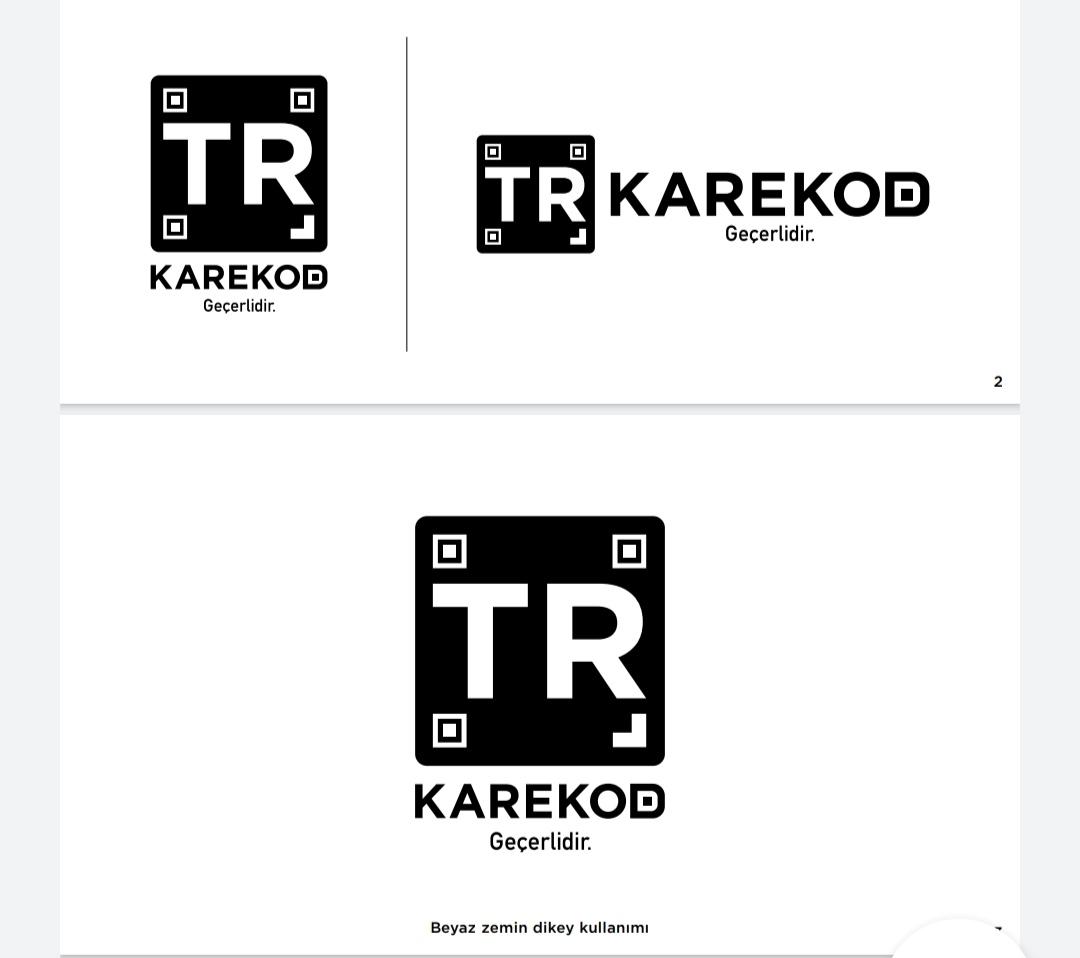
TR Karekod national QR code logo for payments in Turkey

Merchant & POS

The Logo of Our National QR Code, TR Karekod, Has Been Announced

In the world of payment systems, there are new developments every day in both accepting payments and payment methods. QR code payments will undoubtedly become more common in the coming days, and we will make payments with QR codes in many places.

Illustration of Host Card Emulation (HCE) enabling contactless mobile payments

Online & Authorization

What Is HCE?

HCE lets a mobile device's operating system emulate the cards we use daily (credit, debit, gift cards, etc.) to make contactless payments via NFC. In other words, our phones behave like the cards we use for payments.

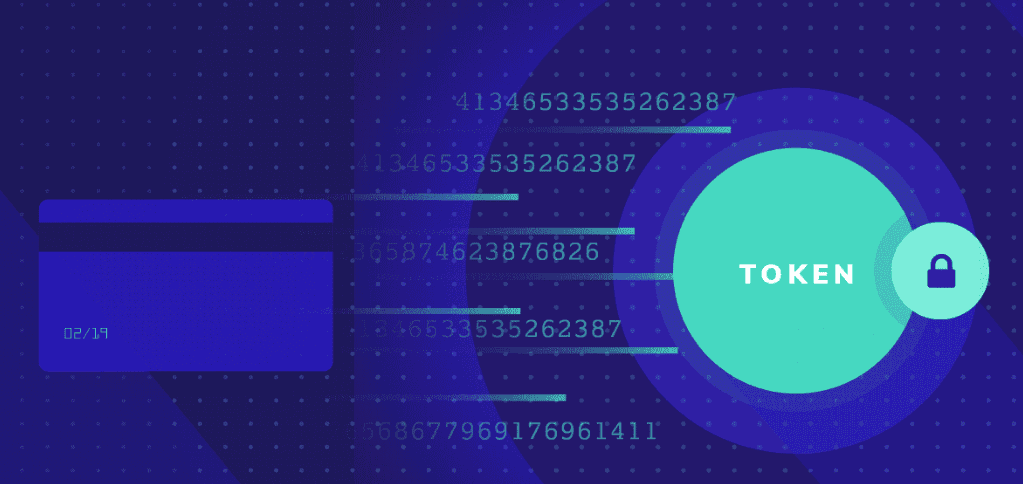
Diagram illustrating the tokenization and detokenization process for card payments

HCE

What Are Tokenization and Detokenization?

Tokenization generates secure data from a credit card number, using specific algorithms, for use during authorization. In CNP transactions, it removes the risk of storing or compromising the original card number.

ISO 8583 field 19 acquiring institution country code

ISO 8583

ISO 8583 Field Descriptions (F19)

F19 — Acquiring Institution Country Code: the country to which the location of the acquiring bank's device (ATM, POS, etc.) belongs.

Diagram of the components that make up an HCE transaction token

HCE

What components make up an HCE Token (Transaction Token)?

The token used in HCE transactions contains more than just a new number derived from the card number. It also includes single-use keys, an expiration date, RSA keys and certificates, transaction limits, and an Application Transaction Counter (ATC).