Skip to content

Search

"standards"

175 articles found

Illustration representing credit information sharing among institutions in the Credit Reference System (KRS)

Credit Card

What Is KRS (Credit Reference System)?

The Credit Reference System (KRS) is an information sharing system that, using modern methods, enables detailed information about individual credit product customers to be shared among KKB member institutions, in order to determine the risk factor…
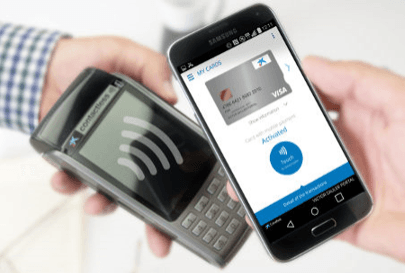
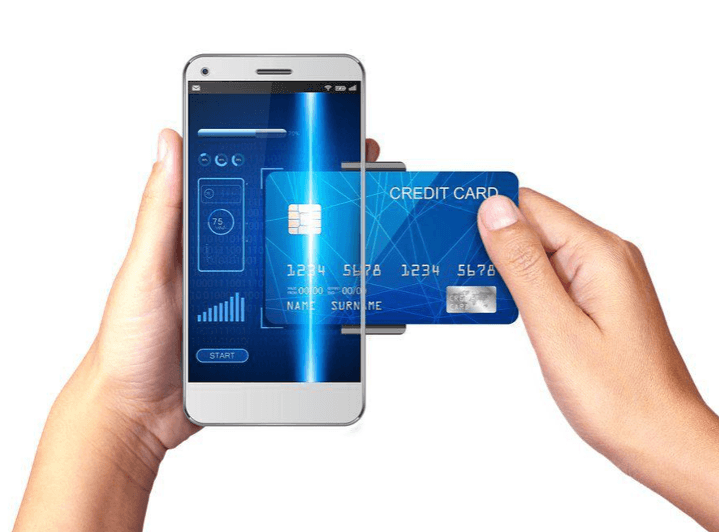
HCE terminology and architecture diagram

HCE

Terms Used in HCE Terminology

When we talk about HCE methodology, many interacting architectural components come to mind. The core terms describing this architecture are listed below, starting with GCM/FCM (Google/Firebase Cloud Messaging), a service for sending push notifications.

Smartphone being used as a mobile POS device for a card payment

Merchant & POS

Mobile Phones Are Turning Into POS Devices

With advances in technology, mobile phones can now be used for many functions besides calls and internet access. One such innovation is the ability to use smartphones or tablets as POS devices.

Illustration representing MCC codes used to classify merchants by category

Merchant & POS

What Is an MCC Code Used For?

Since the MCC code is a merchant's category code, it's critical for the checks performed during merchant onboarding and authorization, including campaigns and restrictions.

Table of ISO 8583 amount and currency field values for a sample transaction

ISO 8583

ISO 8583 Field Descriptions (F4, F5, F6, F49, F50, F51)

Fields F4, F5, F6, F49, F50, and F51 are the Amount and Currency fields sent in the authorization message. For example, for a 300 Euro transaction, the amount and currency information sent in these fields is as follows.

ISO 8583 field 19 acquiring institution country code

ISO 8583

ISO 8583 Field Descriptions (F19)

F19 — Acquiring Institution Country Code: the country to which the location of the acquiring bank's device (ATM, POS, etc.) belongs.

POS terminal used for processing card payments at a merchant

Merchant & POS

How Does a POS Device Communicate with the POS Bank?

A POS is a functional device with its own dedicated software, customized to the authorization system of the bank it is connected to, that accepts credit or debit cards. The POS and the authorization system communicate using the ISO 8583 standard.

Diagram illustrating the ISO 8583 F39 response code field

ISO 8583

ISO 8583 Field Descriptions (F39)

F39 - RESPONSE CODE: This is the code showing whether the transaction was approved or declined. It is 2-digit alphanumeric. Typically 00 is sent when approved, and a decline reason code is sent when declined.

Illustration of ISO 8583 message format

ISO 8583

ISO 8583 Field Descriptions (F35)

F35 TRACK-2 DATA: The values printed to the card's Track 2 data in ISO 7813 format, including field separators and start/end sentinels, but excluding LRC (Longitudinal Redundancy Check) characters. It is 37 characters long.

ISO 8583 field 34 primary account number extended

ISO 8583

ISO 8583 Field Descriptions (F34)

F34 — Primary Account Number, Extended: this field is filled when the card number cannot be placed in F2 because it is longer than 19 digits or contains special characters.

Diagram showing how card transaction data flows through the ISO 8583 messaging standard

Merchant & POS

What is ISO 8583?

Introduction: When a card (credit card/debit card/prepaid card) is used at an ATM or POS, data must be carried securely between systems. For example, in a store sale, the POS initiates the transaction, which must reach the cardholder's bank intact.