Skip to content

Search

"Security"

379 articles found

Diagram showing how card transaction data flows through the ISO 8583 messaging standard

Merchant & POS

What is ISO 8583?

Introduction: When a card (credit card/debit card/prepaid card) is used at an ATM or POS, data must be carried securely between systems. For example, in a store sale, the POS initiates the transaction, which must reach the cardholder's bank intact.
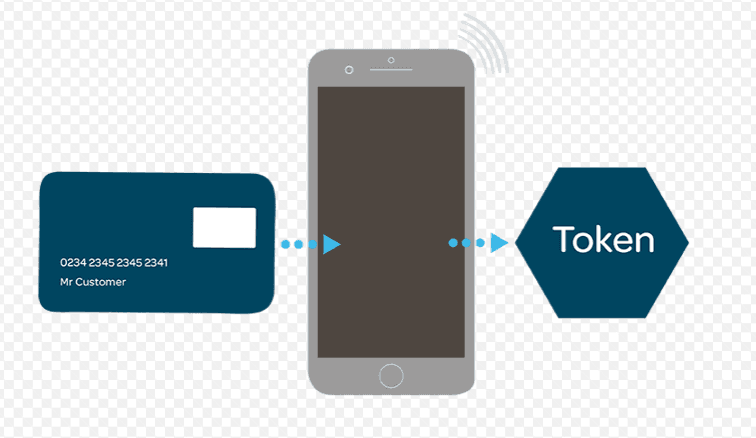
Comparison of online and offline token verification in payment transactions

HCE

What Are Transaction-Based (Online/Offline) Token Types?

Token types vary depending on the verification method used in a transaction. In offline transactions, general checks are performed by the mobile app and card reader without any verification in the card system. In online transactions, token verification is sent to and verified by the issuer.

Diagram of the components that make up an HCE transaction token

HCE

What components make up an HCE Token (Transaction Token)?

The token used in HCE transactions contains more than just a new number derived from the card number. It also includes single-use keys, an expiration date, RSA keys and certificates, transaction limits, and an Application Transaction Counter (ATC).

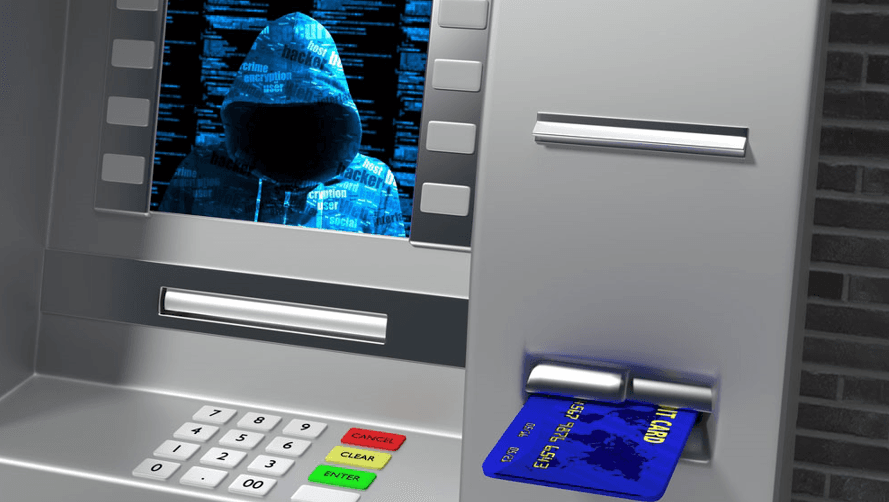
ATM machine vulnerable to hacking and fraud

ATM

Can ATMs Be Hacked?

ATMs are among the channels banks use most to serve customers. Besides being one of the most important channels, because they physically dispense cash and give access to a customer's account, many fraud cases occur at ATMs.

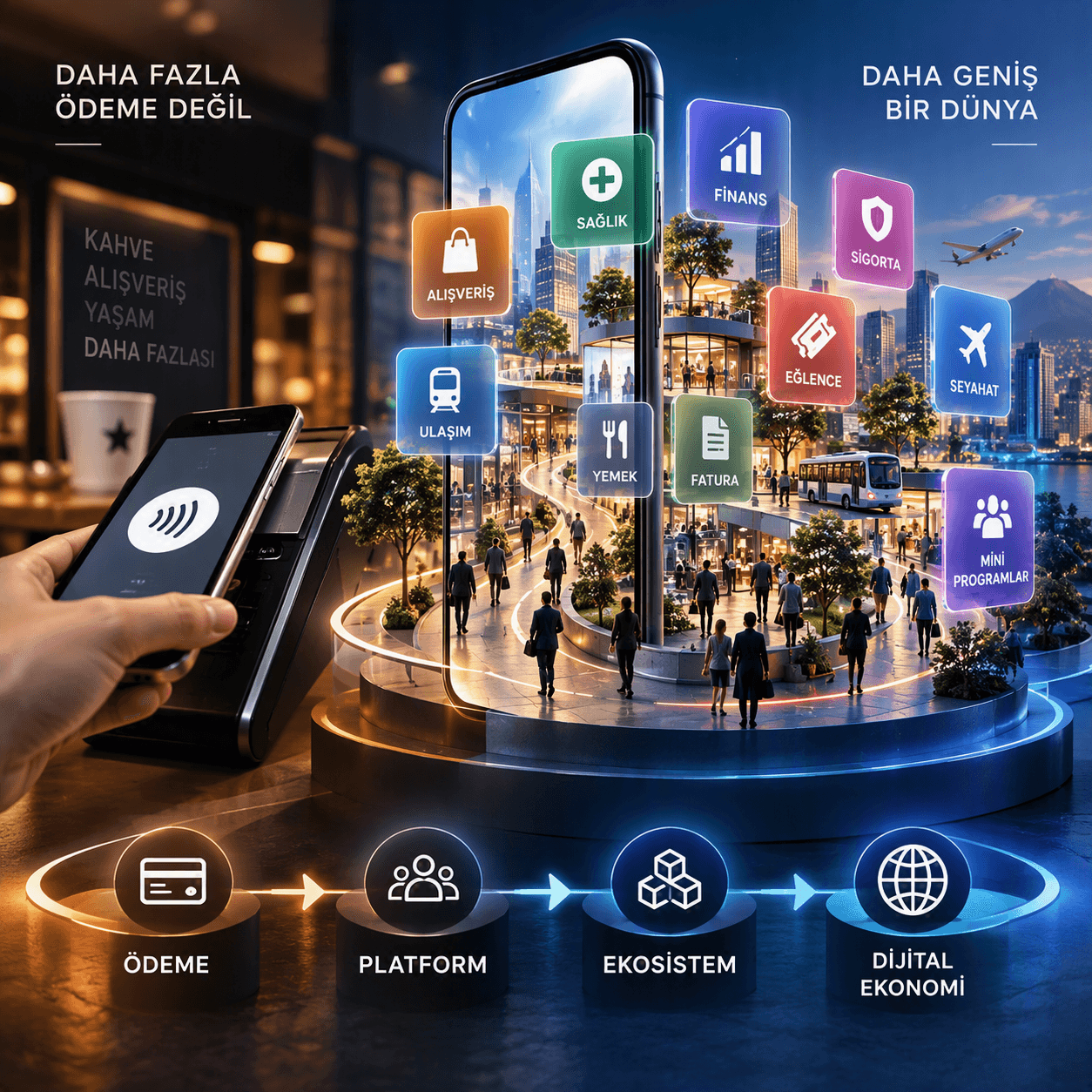
Illustration of a closed-loop payment ecosystem growing through loyalty, data, and new services

Closed-Loop Payments

Why Do Closed-Loop Payment Systems Want to Grow? | Series #6

Why does a coffee chain build its own loyalty program, and why does a payment app keep adding services? This post looks at how loyalty, data, and new services drive the growth of closed-loop payment systems, and at the financial layers behind that growth.

Diagram illustrating the appeal stage of the card dispute and chargeback process between issuer, acquirer and card scheme

Payment Systems

What Is an Appeal? What Does It Mean in Payment Systems?

In payment systems, an “appeal” is the process of objecting to the outcome of a transaction dispute. It is usually discussed alongside chargebacks, but it plays a critical role in interbank dispute resolution, when a party asks the card scheme to re-evaluate a concluded decision.

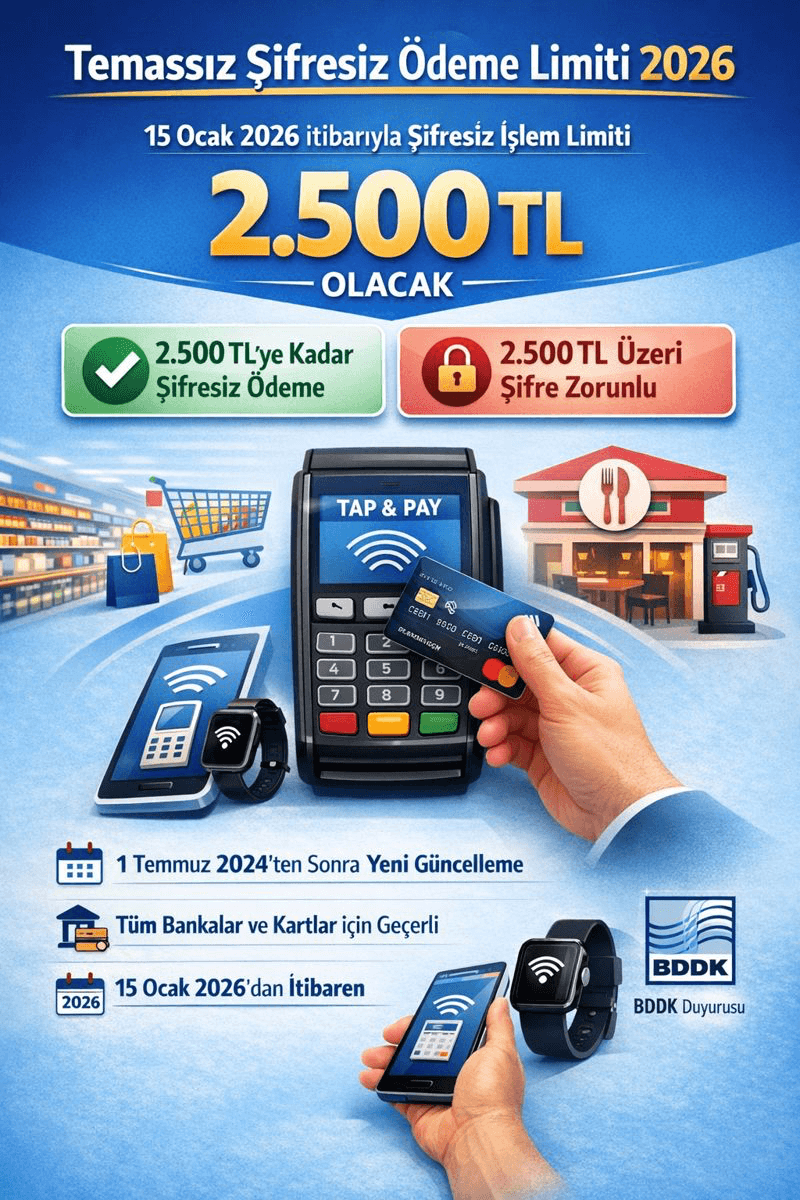
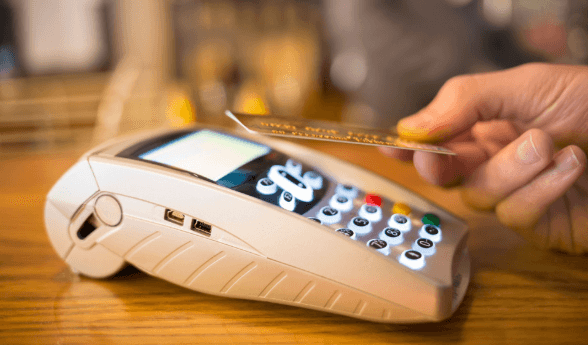
Contactless card payment at a POS terminal, illustrating the increased PIN-free transaction limit of 2,500 TL

Payment Systems

PIN-Free Contactless Payment Limit Rises to 2,500 TL

An official BRSA letter to banks announced an update to the PIN-free contactless payment limit. From January 15, 2026, contactless payments of up to 2,500 TL can be made without entering a PIN, up from the current 1,500 TL.

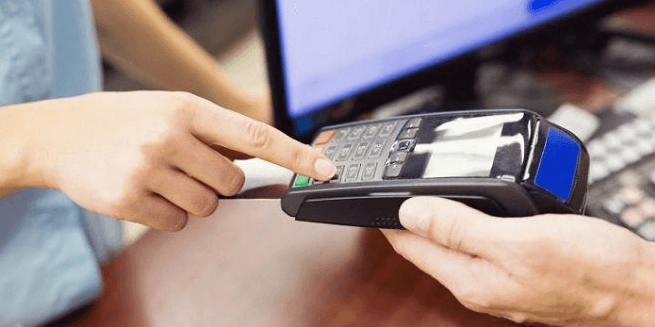
Contactless card payment at a POS terminal

Credit Card

Contactless Payment Limit Is Being Raised

Current information: this post describes the limit that applied at the time of publication. According to a BRSA letter to banks, the PIN-free contactless transaction limit, raised to 750 TL in July 2022, will become 1500 TL from 1 July 2024.

Open banking illustration representing payment services data sharing APIs between financial institutions and third-party providers

Payment Systems

Guide on Data Sharing Services in Payment Services Published

Open banking opens financial data, under the regulations and with the customer's explicit consent, to third-party service providers through standard APIs. The CBRT has published a guide on payment initiation and account information services, covering licensing and technical certification.