Skip to content

Search

"Authorization"

316 articles found

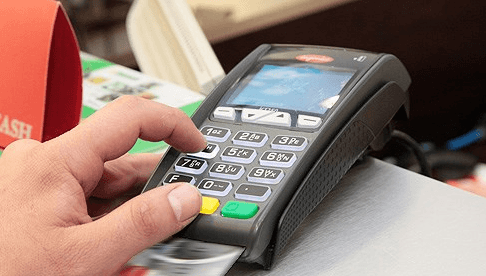
Payment terminal running multiple bank applications as a shared POS

Payment Systems

What is a shared POS? Key points for projects and testing

A shared POS is a bank or institution terminal that can host more than one application. This post covers the software, APN and authorization steps, and the key test scenarios to cover in a shared POS project.

MASAK suspicious transaction reporting guide

Laws & Regulations

What Is the MASAK Suspicious Transaction Reporting Guide?

This guide sets out the procedures and principles for reporting suspicious transactions for obliged parties other than the groups individually listed in the AML regulation, such as banks and insurers.

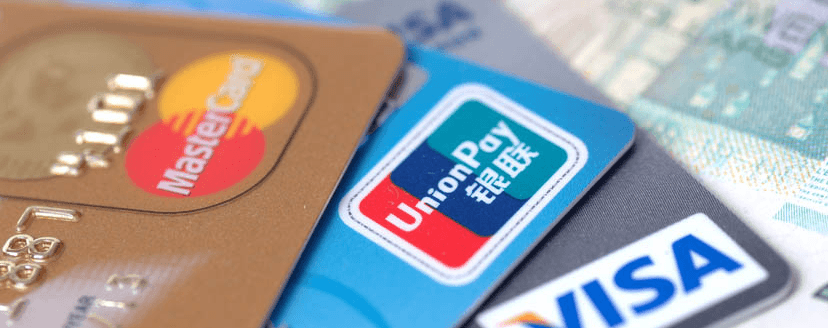
Diagram showing membership types for Visa and Mastercard card schemes

Credit Card

How Many Types of Membership Are There by Card Scheme?

Banks must go through a costly, arduous process to issue cards (issuer) and accept cards (acquirer), paying high entry fees to international license providers and local organizations such as BKM.

Illustration representing the steps involved in launching a new payment card product

Credit Card

What Should Be Considered When Launching a New Product?

The following steps should be followed when launching a new product: decide on the brand, request a new BIN from the scheme (Mastercard, Visa, Troy), define the BIN in the bank's system, generate keys in the HSM, and roll it out after certification.

Portrait photo of a digital banking presentation slide listing the standards for digital banks

Open Banking

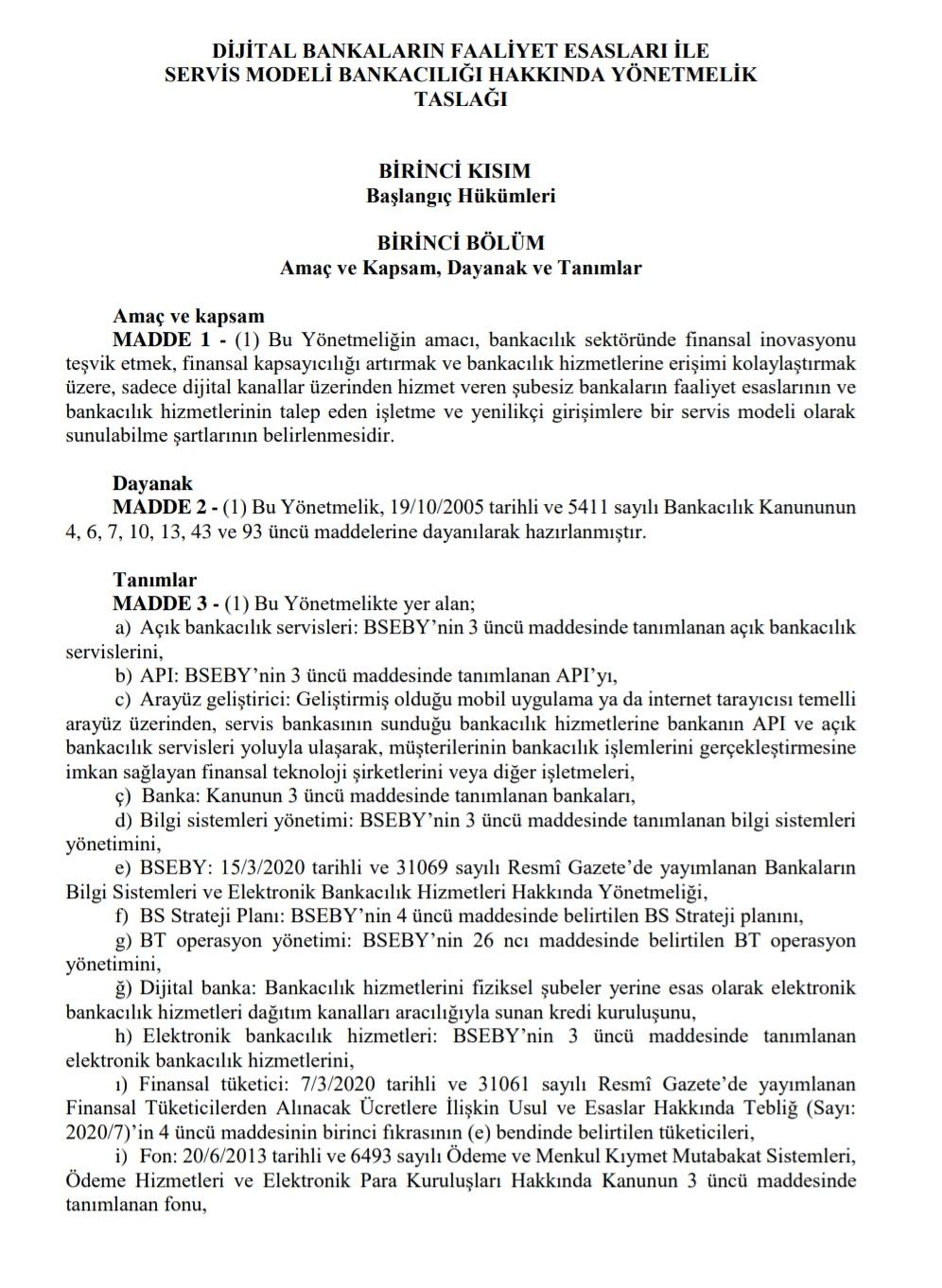
Digital Banking Standards are becoming clearer step by step

Digital banking is talked about more every day, and with the BRSA's support in defining its scope, it is about to enter our lives. A 'digital bank' is a credit institution that provides banking services mainly through electronic channels rather than physical branches.

Bitcoin coin symbol illustrating the first cryptocurrency

Cryptocurrency

What Is Bitcoin?

Bitcoin is a digital currency launched experimentally in 2009 by Satoshi Nakamoto. It has no ties to any central bank, can be bought and sold with national currencies and can be transferred without any intermediary.