Credit Card
What is the Service Code on Cards?
The service code is information printed on a card's Track 1 and Track 2 data, covering card type, PIN usage, and domestic/international usage status. It is kept at the product level in bank systems.
Search
316 articles found
Credit Card
The service code is information printed on a card's Track 1 and Track 2 data, covering card type, PIN usage, and domestic/international usage status. It is kept at the product level in bank systems.
Merchant & POS
This can occur at companies selling products from different sectors. For example, you enter a shopping mall and buy a refrigerator for 3000 TL, a dishwasher for 2000 TL, and an iron for 1000 TL, each under a different installment campaign.
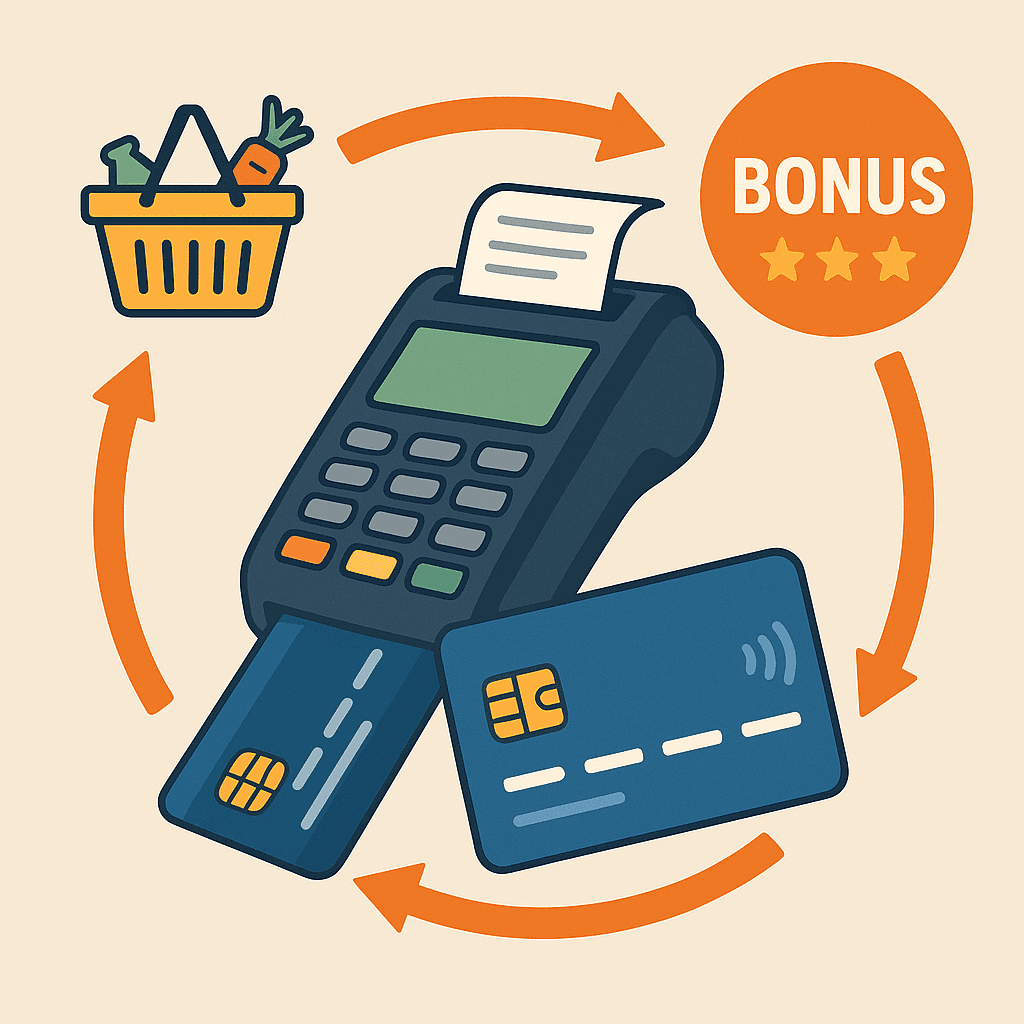
Payment Systems
How do banks fund so many points, bonuses, and discounts? This post explains the credit card profitability model: merchant commissions, interchange, interest income, installments, and why campaigns are an investment in transaction volume rather than a cost.
Payment Institutions & E-Money
On 7 October 2023, the CBRT amended the Communiqué on Information Systems of Payment and E-Money Institutions and Data Sharing Services of Payment Service Providers, first published on 1 December 2021. Links to the new text, a comparison table and a detailed summary of changes follow.

Payment Systems
According to BKM's TR QR Code Technical Principles and Rules Guide for card payments, QR code payment structures apply to EFTPOS, shared EFTPOS, ÖKC, ATMs, payment provider apps, static QR codes and virtual POS.

Payment Systems
As FAST usage keeps growing, new CBRT regulations are accelerating it further. Payment and e-money institutions will join FAST directly in 2023, and FAST Merchant Payments using the TR-QR Code will go live in the first quarter of 2023.
Payment Systems
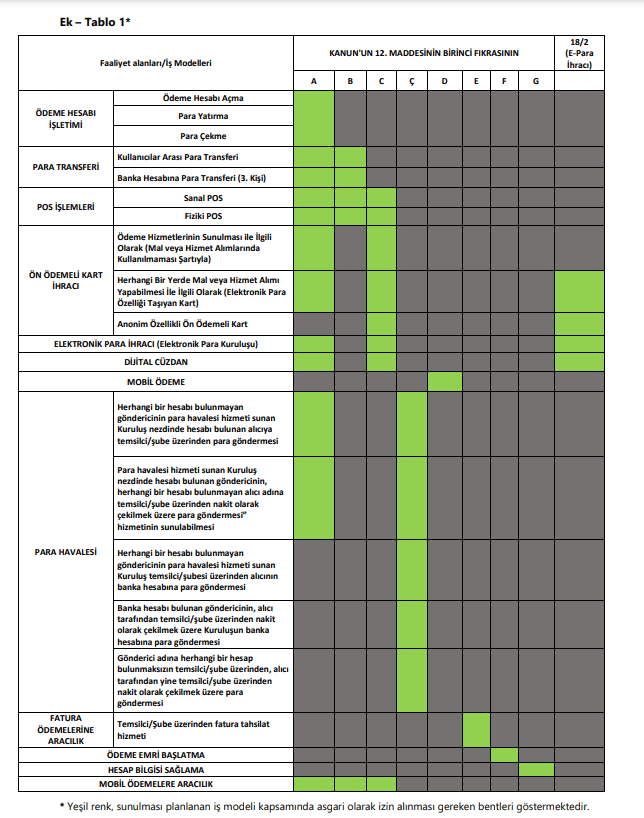
This Guide links business models frequently encountered in the payments field to the payment services listed in Law No. 6493 on Payment and Securities Settlement Systems, Payment Services and Electronic Money Institutions, and aims at uniformity in practice.

Payment Systems
According to the Banks Association of Turkey, collusive transactions that misuse POS devices, debit cards, or credit cards for purposes other than their intended use are called fictitious transactions - in short, transactions used outside their intended purpose.
Merchant & POS
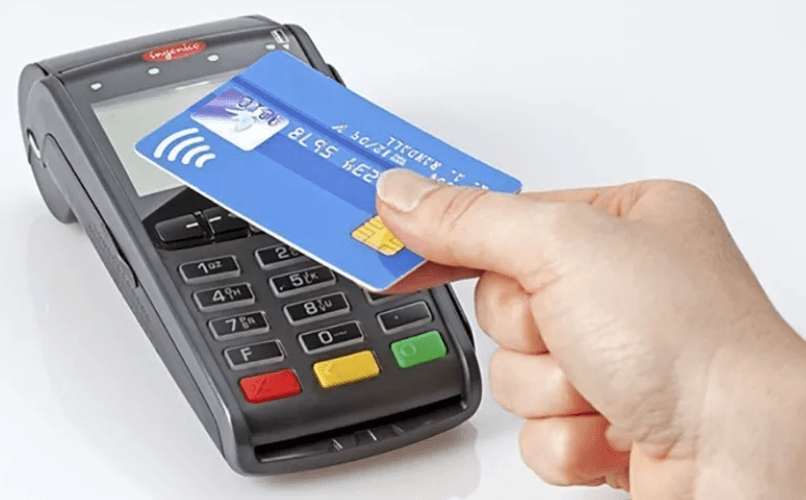
No. Besides the terminal data, contactless limits can also be managed from the chip data. A “Use Merchant Contactless Limits” field decides which set of limits the POS applies.
Payment Systems
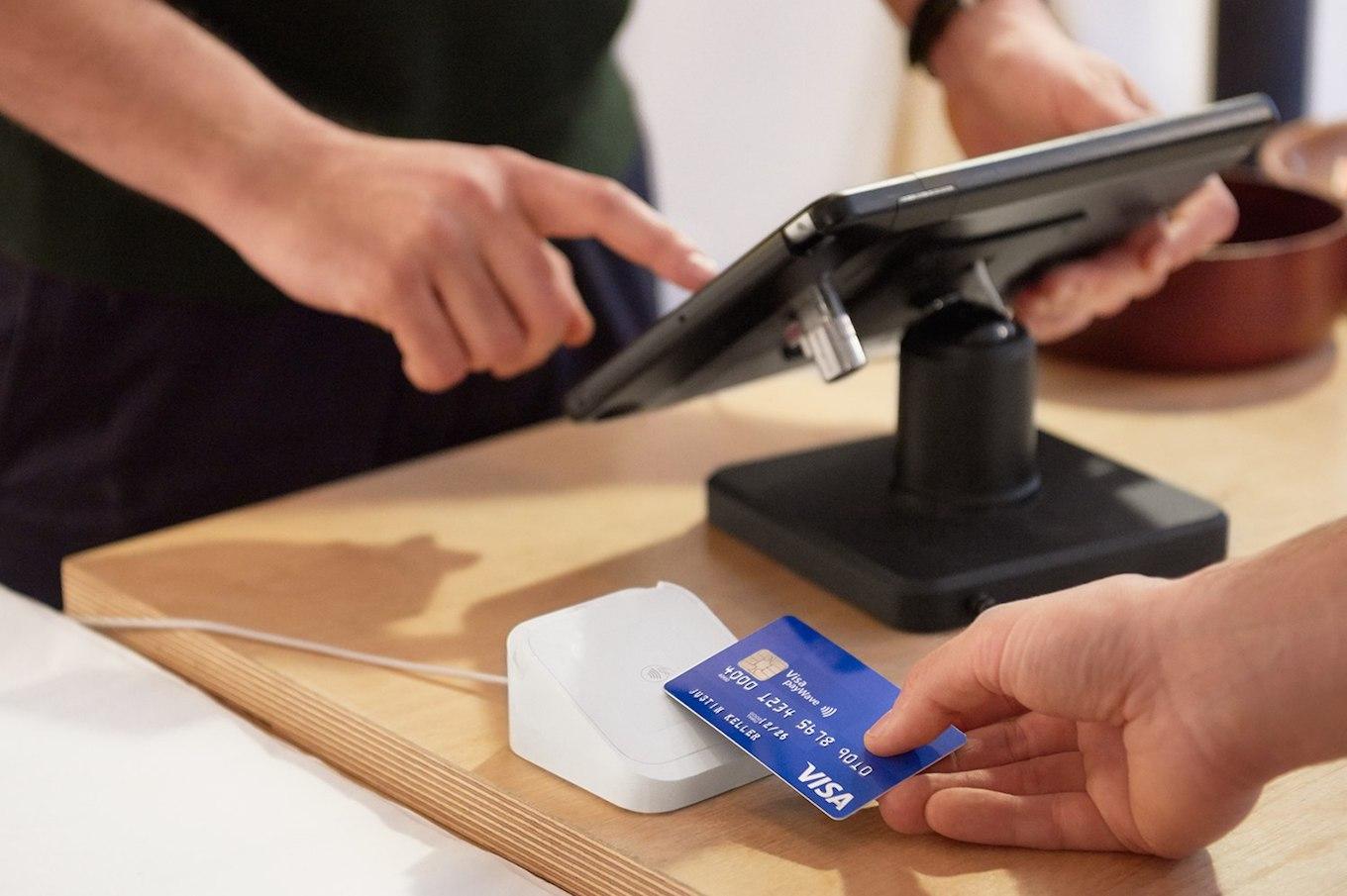
Regularly reporting and tracking how many transactions fail at each merchant matters for both the merchant and the acquirer. BKM error codes tell us why POS transactions fail.
Credit Card
The following steps should be followed when launching a new product: decide on the brand, request a new BIN from the scheme (Mastercard, Visa, Troy), define the BIN in the bank's system, generate keys in the HSM, and roll it out after certification.

Chargeback
A chargeback is the refund of an amount paid by credit card to the cardholder's card when the purchased goods or services were not received, or when a transaction was not actually carried out by the cardholder.