Skip to content

Search

"Transaction Code"

217 articles found

Table of merchant sectors where offline transactions are restricted

Merchant & POS

In Which Sectors Can Offline Transactions Not Be Performed?

An offline transaction is one approved by the card and the POS themselves, without going to any system (the card's bank or the POS's bank), when a chip card transaction is made at a POS. For this reason, some sectors considered risky are restricted.
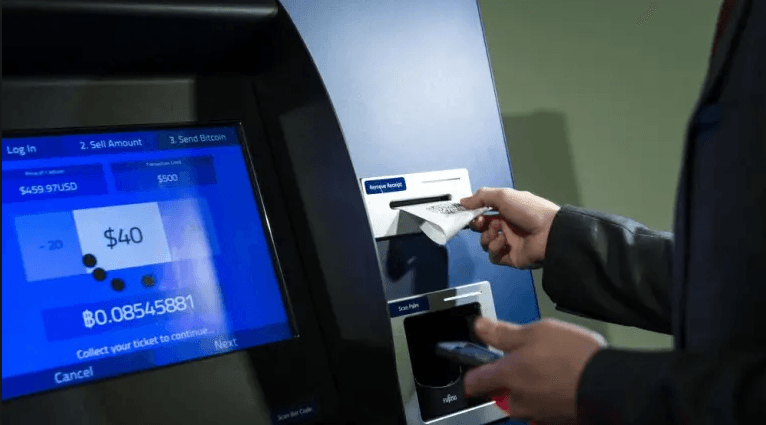
Illustration of a smartphone used as a mobile POS payment terminal

Merchant & POS

Are POS Terminals Becoming Obsolete?

Today, as credit cards shift from physical to virtual use, a similar move has come from the POS side. We have begun to see mobile phones used as POS devices becoming a serious rival to physical POS terminals.

Bitcoin ATM kiosk used for buying and selling Bitcoin

ATM

What Is a Bitcoin ATM? How Does It Work?

A Bitcoin ATM (BTM) is a specialized kiosk designed for Bitcoin transactions, letting users buy and sell Bitcoin. General features: it enables Bitcoin purchases and sales, and while it visually resembles traditional ATMs...

Diagram comparing the 3D, 3D Pay, and 3D Pay Hosting payment models

Payment Systems

What are the 3D Secure Payment Models?

In card payment transactions made via a physical POS device, entering the card's PIN keeps the transaction secure, while in virtual POS transactions, security is provided through the 3D Secure flow. Are 3D Secure payment methods standardized? There are 3 different 3D Secure models.

Diagram illustrating the structure of Track3 data on a payment card

Credit Card

What Is Track3?

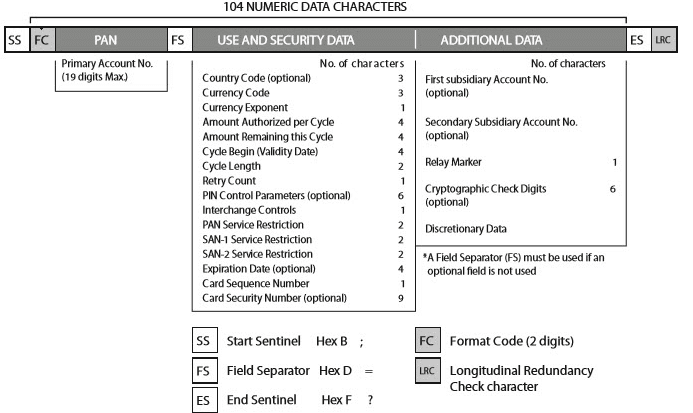
Track3 is a field that doesn't need to be written to the card's magnetic stripe. It's used only in very specific cases and isn't required for authorization transactions. Issuers generally don't encode Track3 data onto the card's magnetic stripe. It consists of 104 numeric characters.

Physical credit card compared with a virtual card on a mobile phone

Credit Card

Physical or Virtual Credit Card: Which Do You Prefer?

Digitalization is reshaping payment systems. Credit cards are moving from physical plastic to virtual cards, e-wallets and mobile payments. Will physical card use disappear completely? Here is a look at the trends, Generation Z and the remaining gaps.

Table of ISO 8583 amount and currency field values for a sample transaction

ISO 8583

ISO 8583 Field Descriptions (F4, F5, F6, F49, F50, F51)

Fields F4, F5, F6, F49, F50, and F51 are the Amount and Currency fields sent in the authorization message. For example, for a 300 Euro transaction, the amount and currency information sent in these fields is as follows.

Illustration of ISO 8583 message format

ISO 8583

ISO 8583 Field Descriptions (F35)

F35 TRACK-2 DATA: The values printed to the card's Track 2 data in ISO 7813 format, including field separators and start/end sentinels, but excluding LRC (Longitudinal Redundancy Check) characters. It is 37 characters long.

Diagram illustrating the Track 1 data structure and field layout on a magnetic stripe card

Credit Card

What is Track 1?

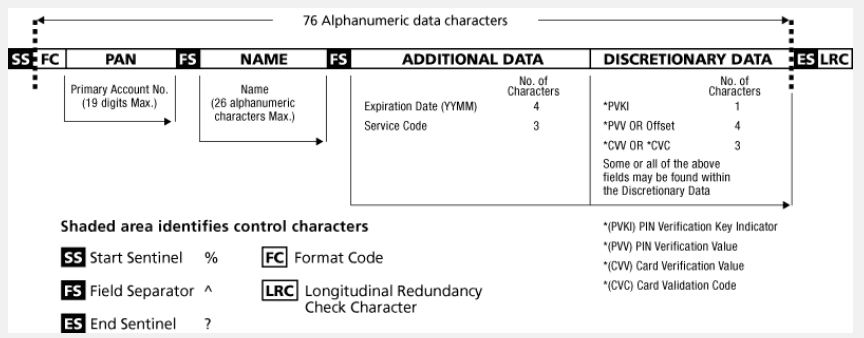
Track 1 is a special data set encoded on a card's magnetic stripe that contains the card information required for authorization when the card is used physically. It includes the cardholder name, card number, and expiration date.

Deutsche Bank Tarjeta Calma credit card featuring dynamic CVV technology

Credit Card

Deutsche Bank produces a card with a CVV that changes every 4 hours

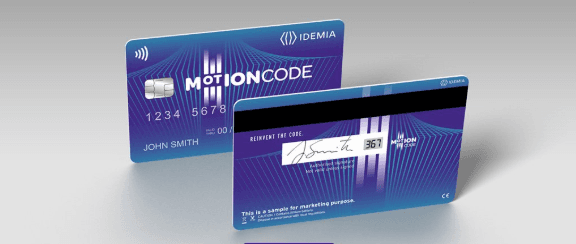
Germany-based Deutsche Bank is launching a new credit card in Spain with a dynamic CVV code that changes every four hours, to make online shopping more secure. Deutsche Bank partnered with Mastercard and Idemia for the new card, launched under the Tarjeta Calma brand.

Diagram illustrating the structure of ISO 8583 field F43

ISO 8583

ISO 8583 Field Descriptions (F43)

F43 - CARD ACCEPTOR NAME AND LOCATION: the field that holds the name and location of the merchant/ATM where a card transaction took place. It is 40 characters long and alphanumeric.