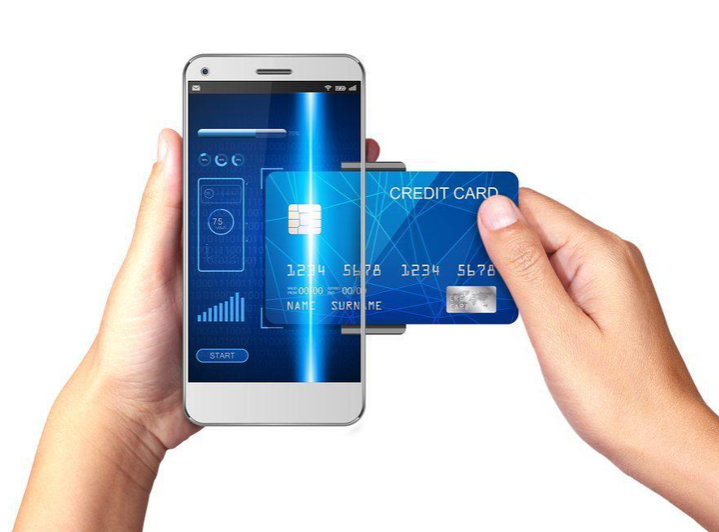
We see digitalization in every moment of our lives, we live it, and we have become used to living intertwined with it. Payment systems naturally get their share of digitalization too.
Ten years ago, when we said credit card, what came to mind was the main actor of a mechanism: a physically printed card, secured by a PIN, used for transactions by being read at POS devices, with the accuracy of the transaction checked by reviewing the receipt produced at the end. Today, this understanding has given way to one in which we can perform all transactions securely and quickly in virtual transactions and mobile payments without using the card physically.
Our wallets, which used to look stuffed to the brim with cards and cash, have now visibly slimmed down in terms of both cash and credit cards. Do not think this is due to economic reasons; it is entirely technological :)
Even our wallets have gone digital. With our mobile phones, which we keep with us 24/7, we can meet all our needs without a single coin or credit card on us. With just our mobile phones, we can withdraw money from ATMs with a QR code, board city buses, and shop over the internet.
Today there are many technology companies attempting to build e-wallets, and digital credit cards are being created as a result of these initiatives. E-wallets perform the function of a virtual credit card, in which all credit cards and debit cards can be registered, and the cards listed on the screen during a transaction can be selected and used. Thanks to an e-wallet, it is possible to carry just one card and make transactions with all cards. With an application that can be installed on smartphones, a credit card can be registered to the digital credit card, registered credit cards can be deactivated or deleted.
The digitalization of POS devices and the start of payments with QR codes and HCE further increase the momentum in the digitalization of credit cards.
A study shows that users are much less likely to forget their mobile phones than their wallets. For this reason, the functions that can be performed through mobile phones increase with each passing day. Naturally, mobile phones stand out as a very important device that allows users to carry out all their transactions from a single point without physically using their credit cards.
Generation Z, made up of those born in 2000 and after, is growing and becoming more active in daily life with each passing day. Because this generation, which especially prefers socializing through the internet, grew up intertwined with technology unlike other generations, its expectations of technology and its perspective on technology are very different. This generation, which grew up in a digital environment, will prefer to use credit cards virtually for all payments and will prefer ease of use.
So, will all these developments completely eliminate the physical use of credit cards?
The number of users who want to carry out their transactions by tapping the card and entering the PIN is not small either. We can think the reason for this is the security gaps in virtual transactions and the high level of fraud transactions. If the disadvantages of virtual transactions are eliminated, the number of people who prefer to use their cards physically will also decrease.
POS devices and alternative payment structures still do not fully support cardless transactions at 100%. For this reason, the number of places where the physical use of credit cards is mandatory is also quite high. It is an undeniable fact that improvements made to POS devices and alternative payment structures will increase the virtual use of cards.
For the reasons listed above, although it does not seem very likely that credit cards will disappear completely over the next 10 years, it would not be too wrong to say that their physical use will decrease with each passing day and give way to virtual use.
Choose your side. What will your card be like? Physical? Virtual?



