Skip to content

Search

"cardholder"

286 articles found

Illustration of recurring payments and automatic card collection for subscription businesses

Merchant & POS

Key Points to Watch for in Recurring Payments

Winning customers is one of the most important things in business, but keeping them satisfied matters just as much. If you collect payments at regular intervals, such as monthly, these tips will help you improve the success rate of recurring collections.
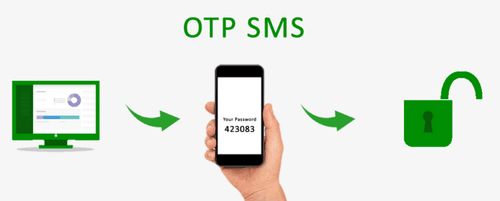
OTP SMS service icon illustrating one-time password delivery

Security

What Is OTP? What Is Its Role in End-to-End Security?

With Chip&Pin technology, card PINs and chip-based transactions became widespread. As online shopping grew, strengthening the security of these transactions became a necessity, and OTP began providing that transaction security.

Credit card limit reduction illustration

Credit Card

Can My Credit Card Limit Be Reduced Without My Permission?

Yes. Your credit card limit can be reduced without your permission and approval. Banks may set a lower limit as a result of updates based on a person's economic and social situation, credit score and similar information.

Credit card limit increase approval illustration

Credit Card

Can My Credit Card Limit Be Increased Without My Permission?

The limit set when the card was issued cannot be increased without the cardholder's permission and approval. If you have instructed periodic limit increases, later increases take effect unless you object within fifteen days of being notified.

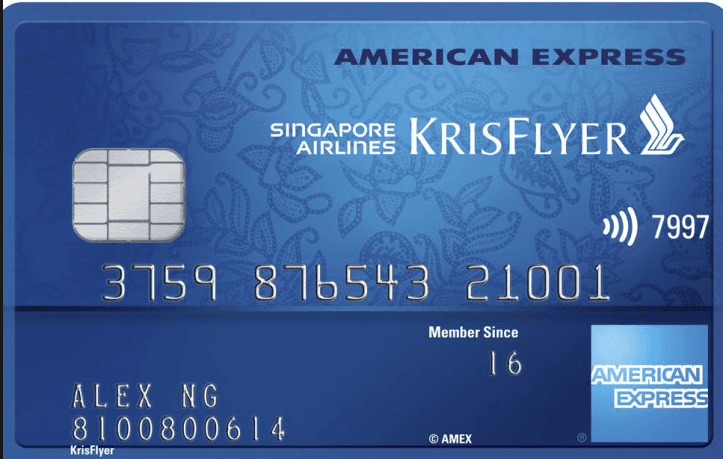
Comparison of CVV security code locations on a standard card and an American Express card

Credit Card

Is the CVV/CVC Code Always 3 Digits?

First, let's briefly explain CVV/CVC. CVV stands for Card Verification Value, a term used for Visa. CVC stands for Card Verification Code, a term used for MasterCard. The CVV/CVC code is used for cardholder verification and to reduce fraud risk.

Illustration representing an online mail order payment made with a debit card

Debit Card

Can Mail Order transactions be done with debit cards?

Debit cards and prepaid cards are generally closed to Mail Order transactions. The same usually applies to Non-3D (non-3D Secure) online transactions, which banks keep disabled by default to limit fraud risk.

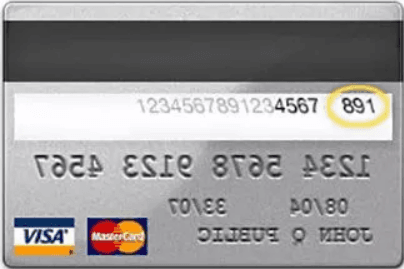
Close-up of the card security code printed on the back of a payment card

Credit Card

What is the Card Security Code?

The Card Security Code is a 3-digit numeric value used for cardholder verification and to reduce fraud risk. It is generated during card production and printed either on the card or encoded into the Track 1 and Track 2 data.

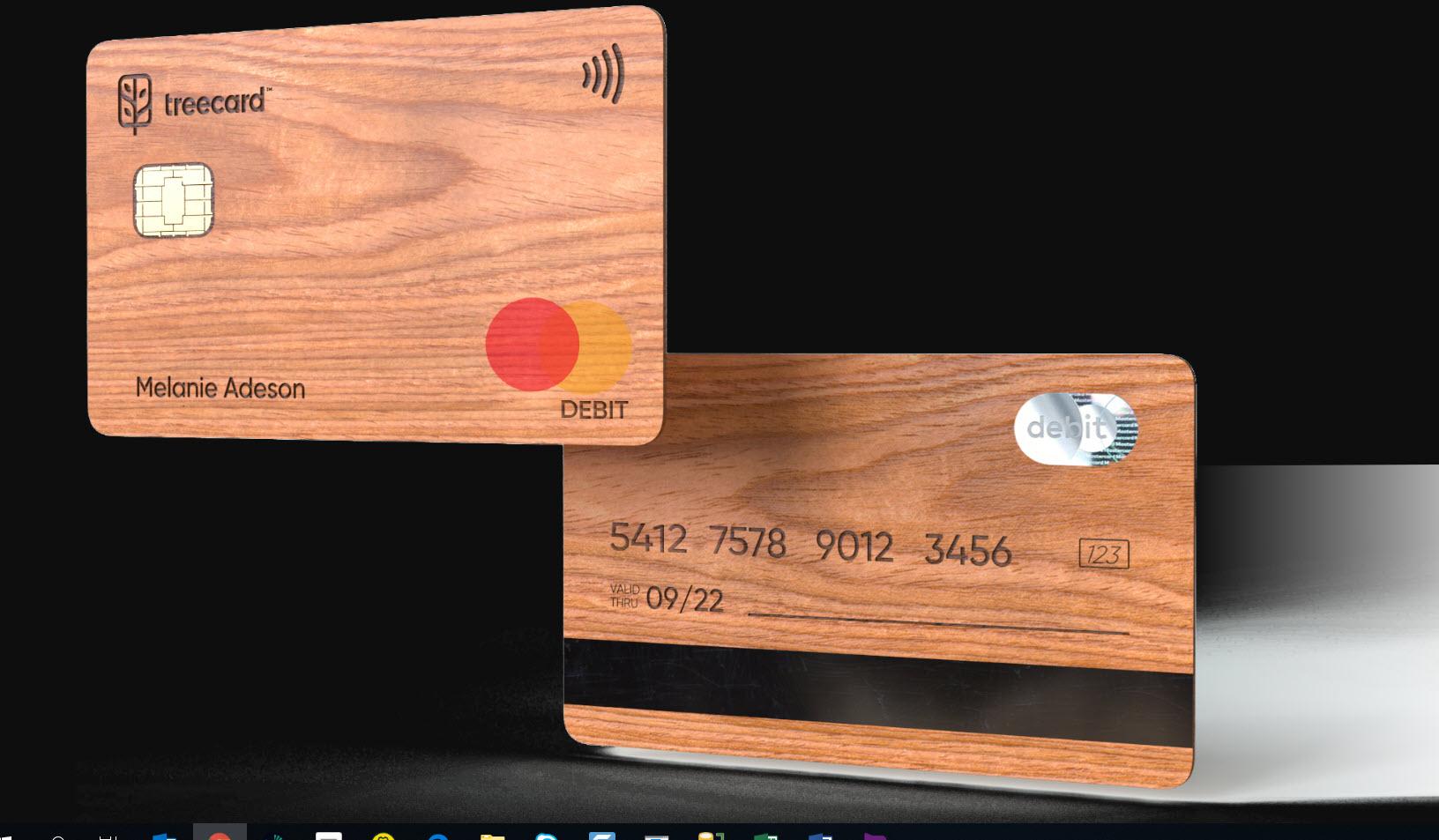
TreeCard wooden bank card made from sustainably sourced cherry wood

Credit Card

Can a card be made from wood?

While the use of physical cards and POS terminals is gradually declining, positive developments continue, such as the world's first wooden card, TreeCard, backed by the search engine Ecosia and aimed at reforesting the world.

Discover chargeback reason codes list

Payment Systems

What Are the Discover Chargeback Reason Codes?

Chargeback reason codes differ by card scheme. Here is the list of Discover chargeback reason codes and their descriptions, along with how merchants can use them.