Skip to content

Search

"information security"

221 articles found

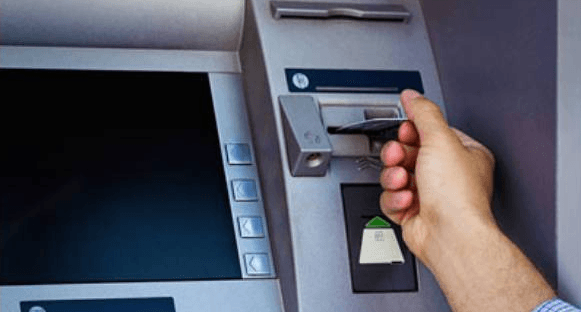
ATM PIN pad used for entering a card PIN

ATM

How is PIN verification performed at an ATM?

At payment points such as ATMs and POS terminals, the most critical step is PIN verification or verifying the customer through their identity information. However, since ATMs cannot verify a customer's identity, PIN verification becomes more important. So how is it performed?

Diagram of the components that make up an HCE transaction token

HCE

What components make up an HCE Token (Transaction Token)?

The token used in HCE transactions contains more than just a new number derived from the card number. It also includes single-use keys, an expiration date, RSA keys and certificates, transaction limits, and an Application Transaction Counter (ATC).

BKM API gateway integration deadline

Payment Systems

Target Date for BKM API Gateway Integration Amended

An amendment was made to the communiqué on the information systems of payment and e-money institutions and data sharing services, setting 31/3/2025 as the deadline for other payment service providers' obligations.

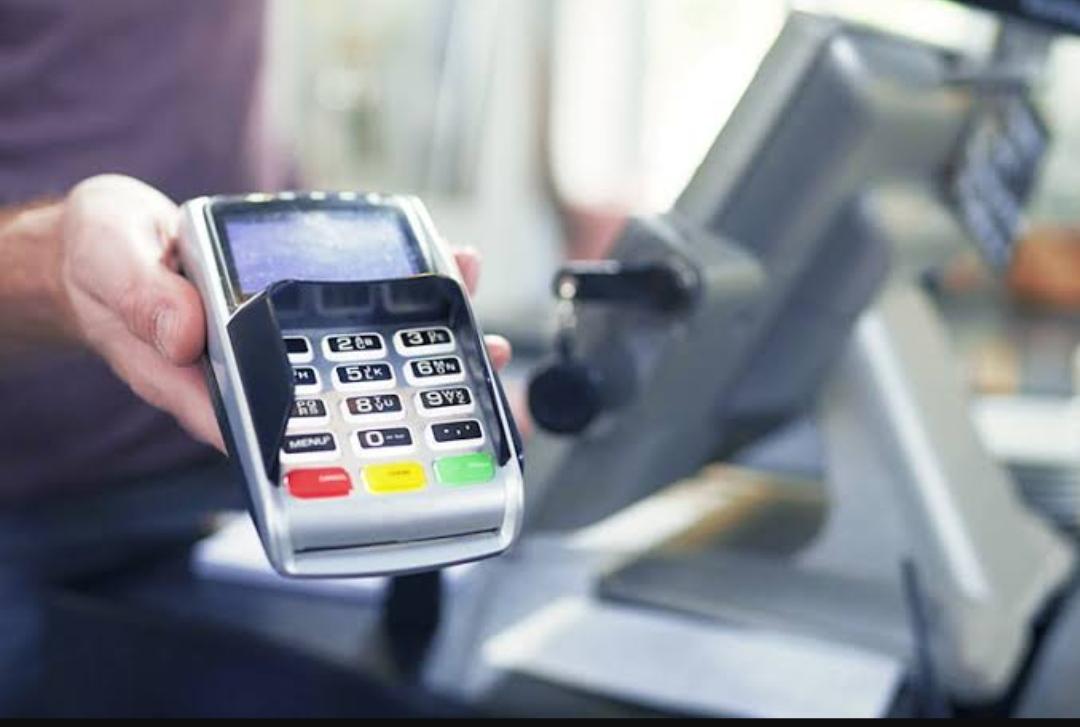
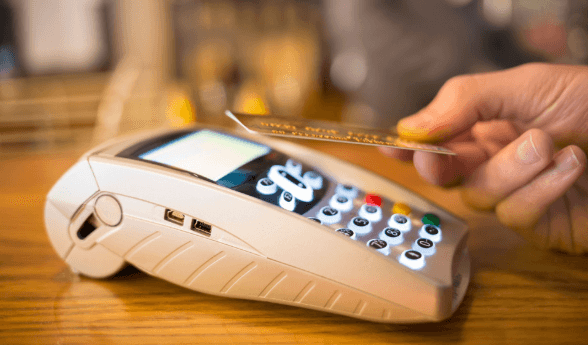
Contactless card payment at a POS terminal

Credit Card

Contactless Payment Limit Is Being Raised

Current information: this post describes the limit that applied at the time of publication. According to a BRSA letter to banks, the PIN-free contactless transaction limit, raised to 750 TL in July 2022, will become 1500 TL from 1 July 2024.

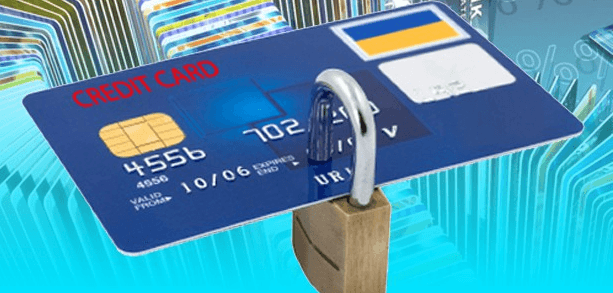
General Data Protection Regulation (GDPR) concept illustration with padlock and EU stars

Payment Systems

What Is the General Data Protection Regulation (GDPR)?

The General Data Protection Regulation (GDPR), (EU) 2016/679, is EU law on data protection and privacy. It gives individuals control over their personal data, requires breach notification within 72 hours, and allows fines of up to 20 million euros or 4% of annual revenue.

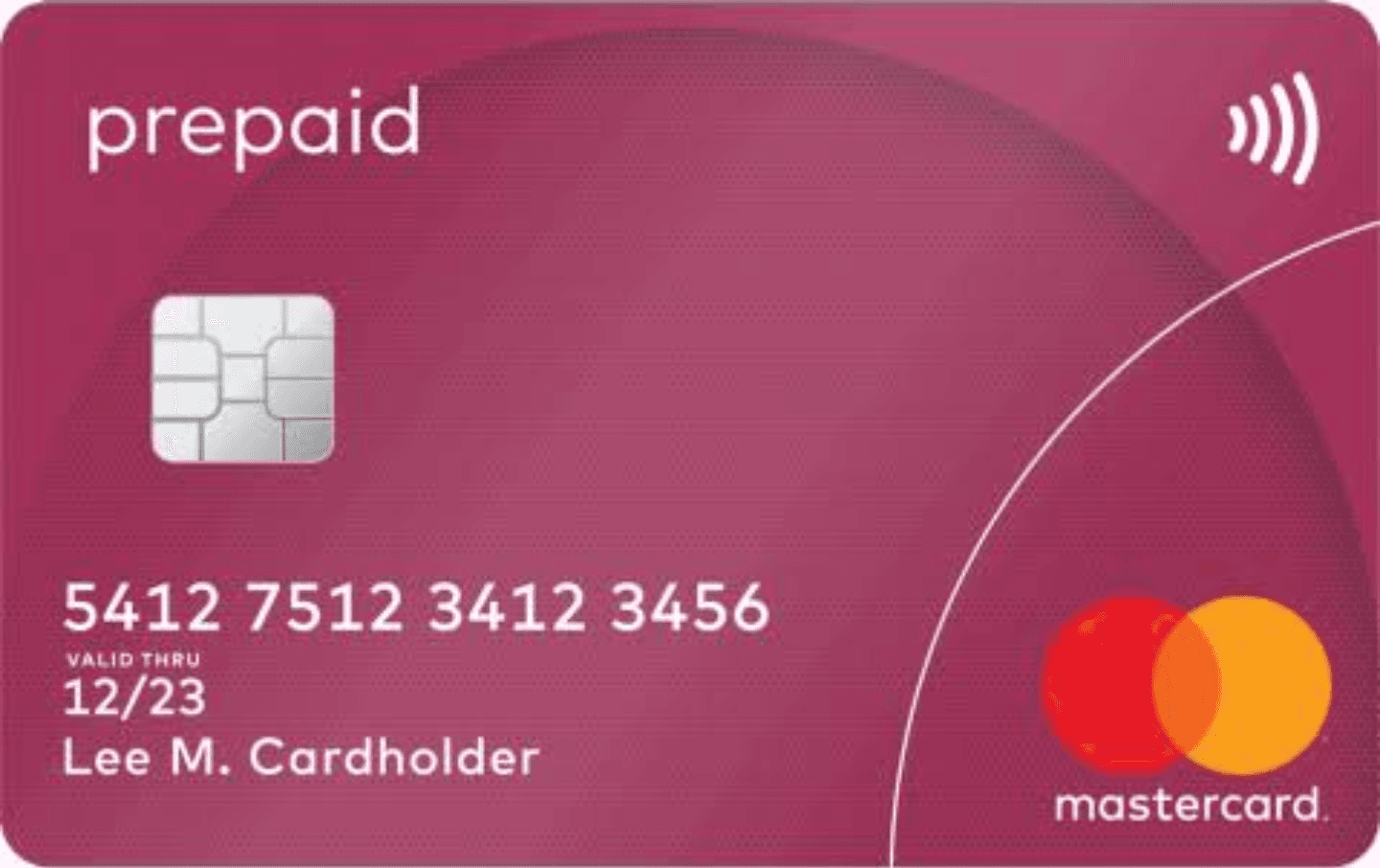
Photo illustrating the use of a prepaid card

Credit Card

Is a Prepaid Card a Credit Card or a Debit Card?

A prepaid card may look like a debit card since it has no predetermined limit and purchases are limited to the amount loaded by the cardholder, but in terms of use and operating logic it differs significantly from both credit and debit cards.

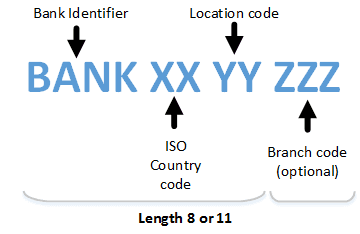
Diagram illustrating the structure of a Bank Identifier Code (BIC)

EMV

What is a Bank Identifier Code (BIC)?

BIC stands for Bank Identifier Code. It is the universal bank identification code used for automated processing in banking and related financial environments, identifying banks as specified by the ISO 9362 standard.