
Merchant & POS
Can I Make Transactions with Any Card on a POS Terminal?
To accept a card brand such as Mastercard or Visa, a POS must be certified for that brand. Which brands a POS accepts is the bank's decision.
Search
583 articles found
Merchant & POS
To accept a card brand such as Mastercard or Visa, a POS must be certified for that brand. Which brands a POS accepts is the bank's decision.

Credit Card
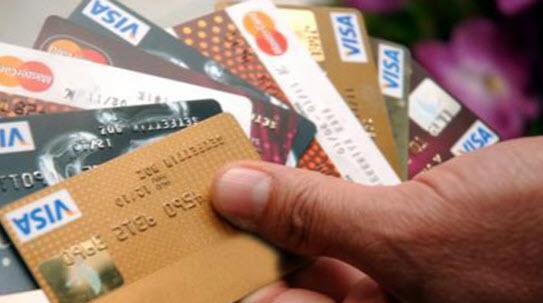
A combo card is a next-generation card that combines both a credit card and a debit card on a single card. Although designs vary visually, the front typically carries the credit card information and the back the debit card information.
Credit Card
Debit cards and prepaid cards are generally closed to mail order transactions. Mail order authorization is held on credit cards. Unless specifically requested at application, a card is issued closed to mail order transactions.
Credit Card
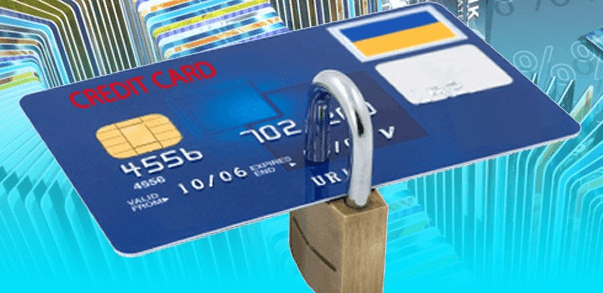
Nearly all transactions where credit and debit cards are used physically require a PIN. The PIN represents the cardholder's identity. Here is what happens if a customer enters the wrong PIN too many times and how the card is restored.

Credit Card
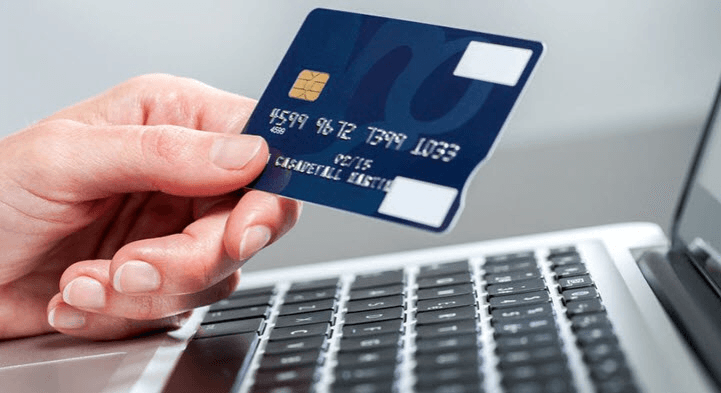
First, your card must be enabled for e-commerce transactions, with domestic and international authorizations usually managed separately. Second, your card must be eligible for 3D Secure transactions.
Credit Card
CNP refers to a transaction made through a website or a company's own app payment page, where the card is not read by any device and its details are entered manually. It is short for Card Not Present.
Merchant & POS
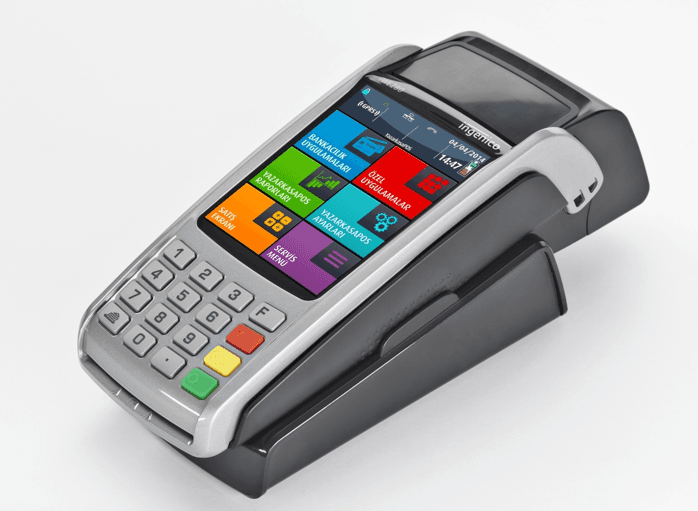
Transaction types that can be made with a card through a POS: Magnetic Sale, EMV (Chip) Sale, Fallback Sale, Offline EMV Sale, Mail Order, and Ecommerce Sale, each explained in detail below.
HSM & Security
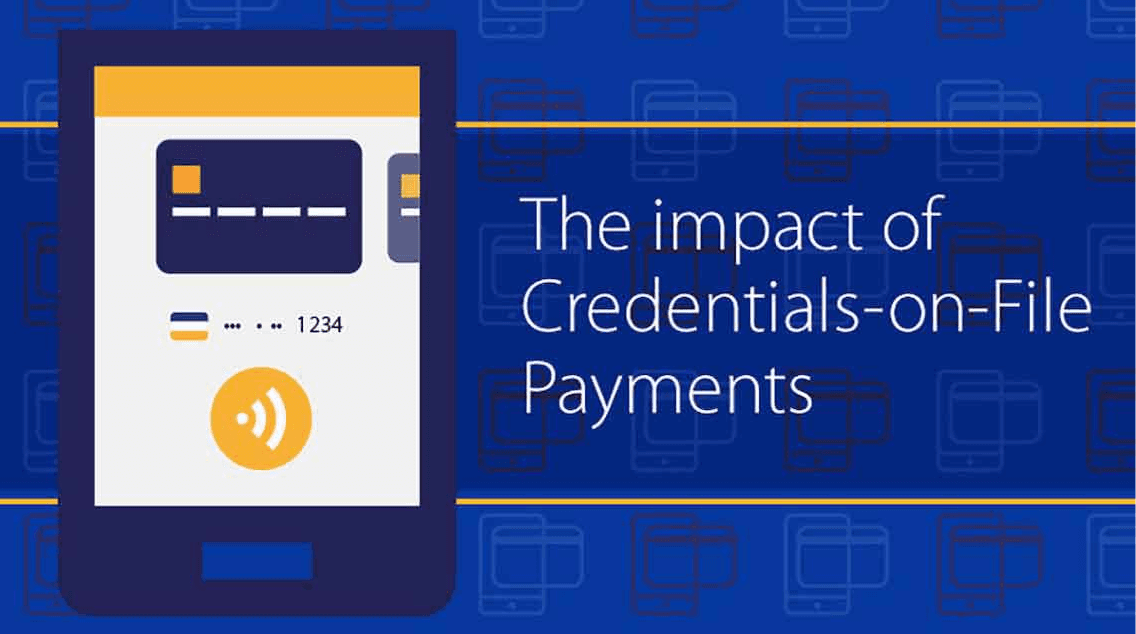
Non-face-to-face transactions in which the cardholder authorizes the merchant to store card data, and the merchant uses that stored data to carry out the transaction, are called Credential-on-File (CoF) transactions.

Credit Card
Business customers can be issued an ATM card, known as a Business Debit Card. The cardholder must be the person authorized to act legally on behalf of the company, since the card operates on company accounts.

Clearing
The interchange fee applies to transactions where the card-issuing bank and the POS/ATM-owning bank are different (for example, withdrawing cash from Bank Y's ATM using a Bank X card). But is the fee the same for ATM and POS transactions?

Credit Card
If you can't use your card for e-commerce transactions abroad, first check that e-commerce authorization is enabled, that 3D Secure has been set up, and that your bank's authorization system is active. The issue may also originate from the merchant's bank.
Merchant & POS
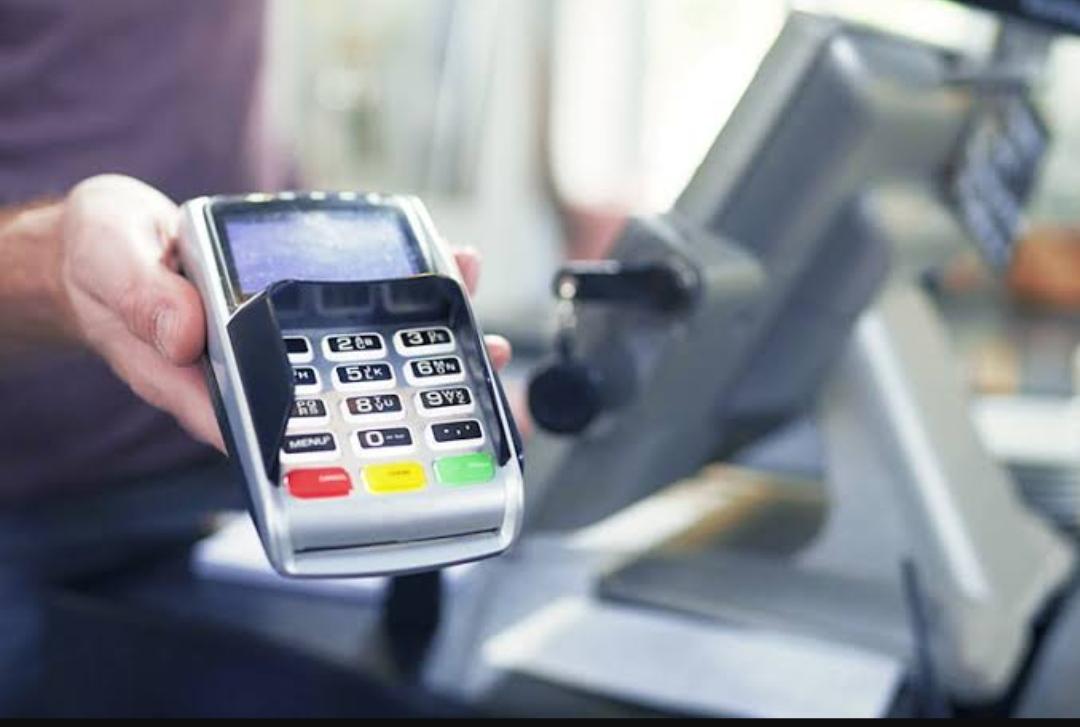
It's important to first distinguish between magnetic-stripe and fallback transactions. A magnetic-stripe transaction skips the chip entirely, which lowers its security level compared to a fallback transaction.