Skip to content

Search

"PIN"

172 articles found

ATM PIN pad used for entering a card PIN

ATM

How is PIN verification performed at an ATM?

At payment points such as ATMs and POS terminals, the most critical step is PIN verification or verifying the customer through their identity information. However, since ATMs cannot verify a customer's identity, PIN verification becomes more important. So how is it performed?

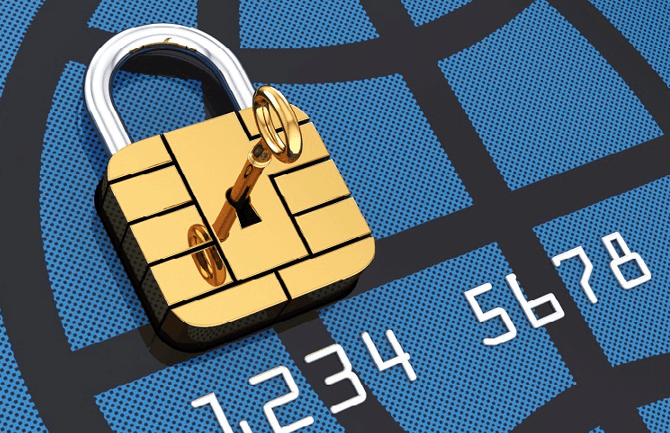
Diagram illustrating Terminal PIN Key (TPK) usage in POS and ATM devices

HSM & Security

What is TPK (Terminal PIN Key)?

TPK stands for Terminal PIN Key. It is a data encryption key used to encrypt PINs for transmission between a terminal and the terminal's bank (acquirer) within a local network. Learn how TPK is used in POS and ATM devices.

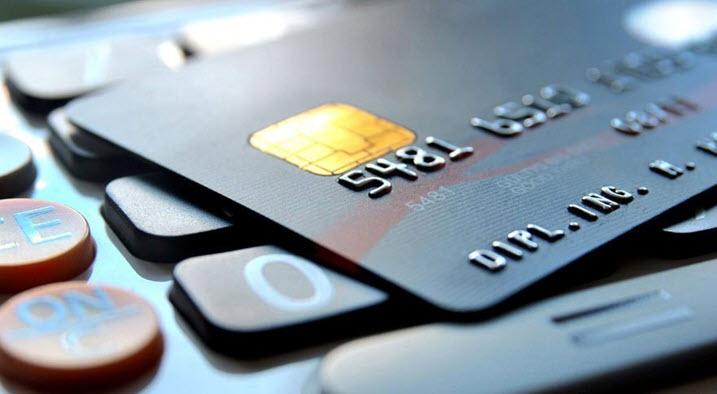
Hand entering a PIN code on a card payment terminal

Credit Card

What should be considered when setting a card PIN?

A credit card is one of the most important payment tools in our lives, which is why keeping it secure is extremely important. So how do we secure a credit card? The most important security measure is the card PIN.

Payment card illustrating magnetic stripe data used for PIN verification

Credit Card

What is PVV (PIN Verification Value)?

PVV is the number encoded on a card's magnetic stripe that allows the cardholder's PIN to be verified by ATMs and POS terminals. It is a 4-digit cryptogram calculated through a cryptographic operation using the PIN and card data. The real result is longer than 4 digits.

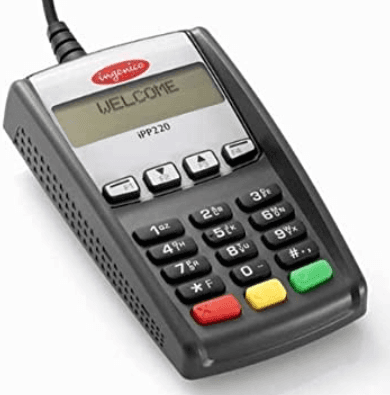
Photo of a Pin Entry Device (PIN pad) used for card payments

Merchant & POS

What is a Pin Entry Device (PED)?

Pin Entry Device is another name for the PIN pad device we all know and use daily. It makes it easier for users to enter their card PIN during POS transactions with credit or debit cards, and is used for contactless card reading...

HCE mobile payment PIN strategies

HCE

What Are the PIN Strategies in HCE?

There are three types of PIN strategy in HCE (Host Card Emulation): No PIN, Card PIN and Wallet PIN or customer biometric data. Each balances user experience and security differently.

Contactless payment PIN entry on a POS terminal

Payment Systems

Why Do Some Contactless Payments Require a PIN?

The biggest benefit of contactless payment is completing small transactions quickly. You can pay purchases under 350 TL without a PIN, while purchases above 350 TL require your card PIN.

Diagram of PIN Encryption Key (PEK) structure

HSM & Security

What is PEK (Pin Encryption Key)?

PEK is the abbreviation for Pin Encryption Key. The role of PEK is to encrypt PINs. There are two types of PEK: TPK (Terminal Pin Key) and ZWK (Zone Working Key).

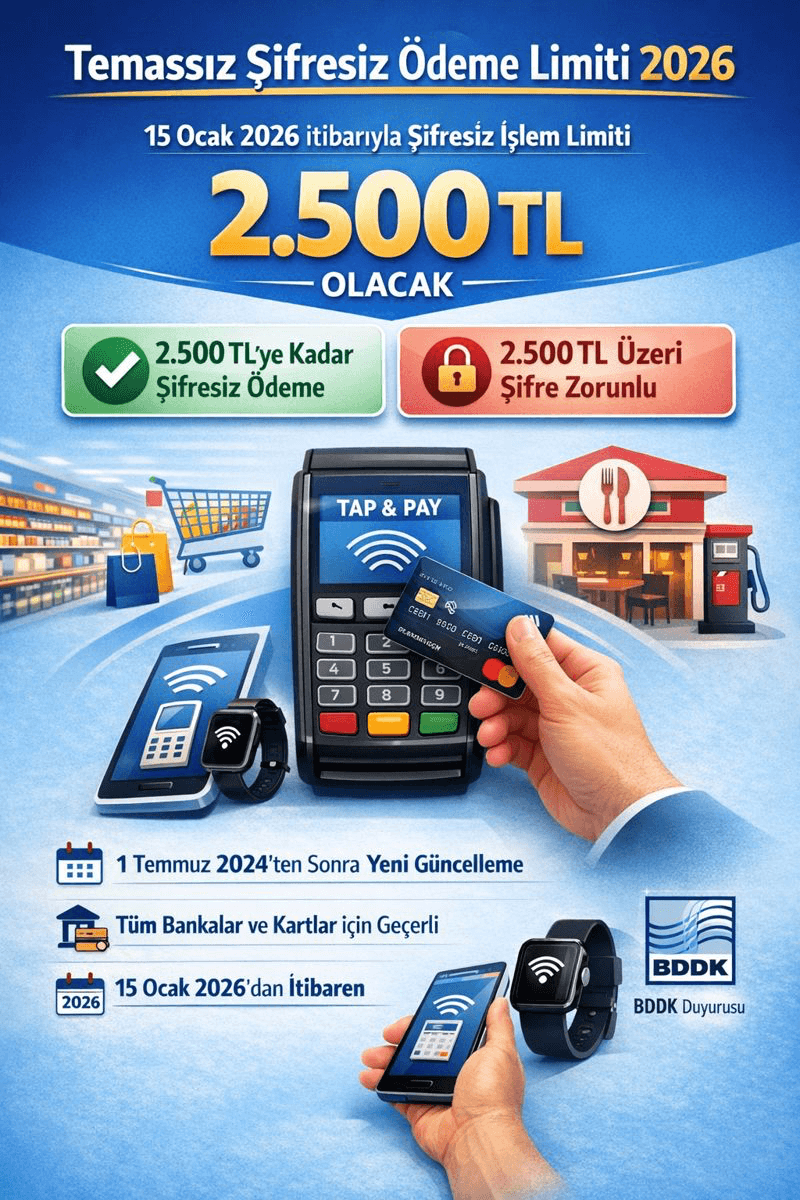
Contactless card payment at a POS terminal, illustrating the increased PIN-free transaction limit of 2,500 TL

Payment Systems

PIN-Free Contactless Payment Limit Rises to 2,500 TL

An official BRSA letter to banks announced an update to the PIN-free contactless payment limit. From January 15, 2026, contactless payments of up to 2,500 TL can be made without entering a PIN, up from the current 1,500 TL.

Visa PIN security program guide illustration

Security

What Is the Visa PIN Security Program Guide?

The Visa PIN Security Program Guide describes the security and procedural requirements for acquirers and their agents that process PIN data or manage keys for PINs associated with Visa transactions.

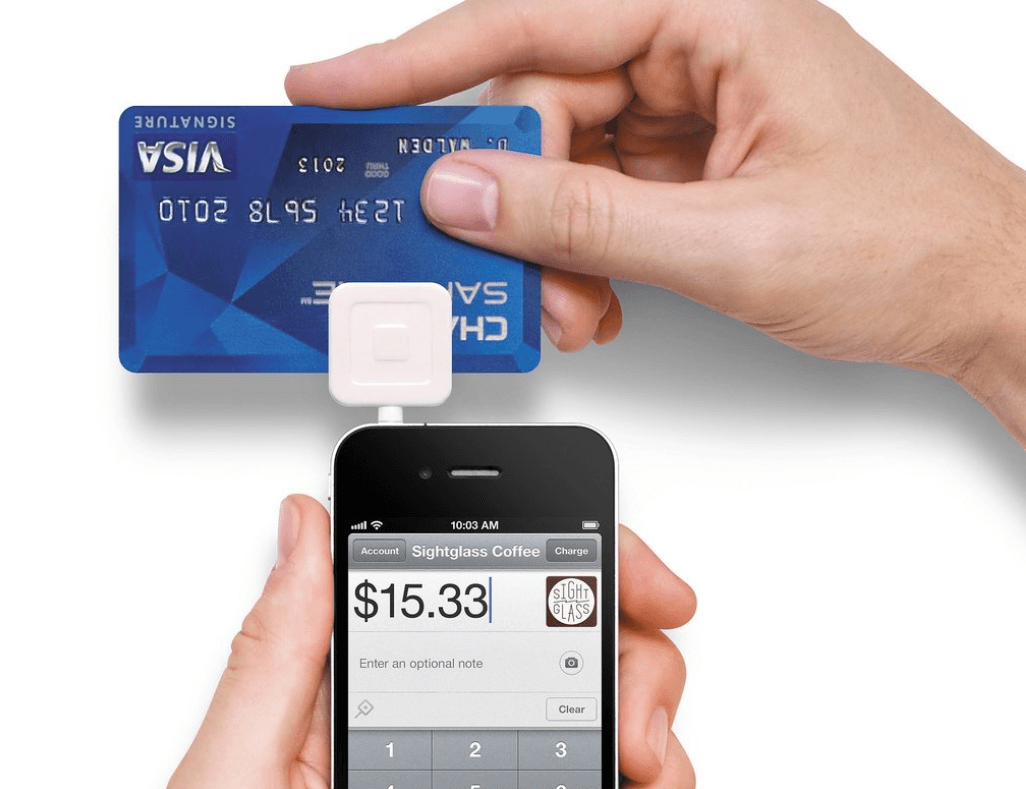
Secure Card Reader for PIN with mobile device

Security

What Is a Secure Card Reader for PIN (SCRP)?

A Secure Card Reader for PIN (SCRP) is a multi-function card reader that turns any iOS, Android or Windows device into a payment terminal able to accept chip and contactless payments with PIN.

Credit cards inside an open wallet

Merchant & POS

Who is liable for a transaction made without a PIN?

Almost all of us carry at least one credit card. Imagine losing your wallet with all your cards inside, and someone with bad intentions finding it and using the cards without a PIN. Who bears the responsibility?