Clearing
What is Chip Condition Code?
Chip Condition Code is a code carried in the F60 (Additional Data) DE14 field during clearing that shows the chip read status. The possible values and their descriptions are listed below.
Search
74 articles found
Clearing
Chip Condition Code is a code carried in the F60 (Additional Data) DE14 field during clearing that shows the chip read status. The possible values and their descriptions are listed below.

Clearing
The Documentation Indicator is a code carried in the F60 (Additional Data) DE05 field of clearing transactions. Used in second presentment and reversal presentment transactions, it shows whether the supporting document has been sent. This post lists the values and their meanings.

Credit Card
KKB was established, under banking law, to enable the exchange of all kinds of information and documents among at least five banks, and it also shares credit information about customers. The Credit Bureau of Turkey also serves deposit banks, participation banks, financial institutions, and more.
Payment Systems
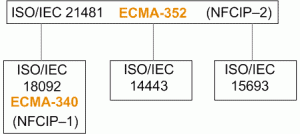
NFC is a data transfer technology developed by Sony and Philips in late 2002 and adopted as an ISO/IEC standard in 2003. ISO/IEC 18092/ECMA-340 (NFCIP-1) is one of the two globally accepted NFC standards.
HSM & Security
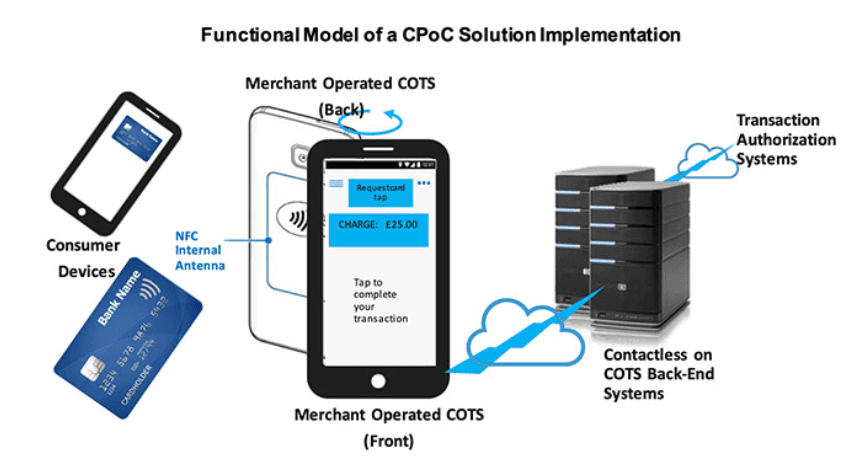
The CPoC standard, issued by the PCI Security Standards Council in 2019, is a data security standard that lets merchants accept contactless payments using a commercial off-the-shelf (COTS) mobile device with NFC.
Credit Card
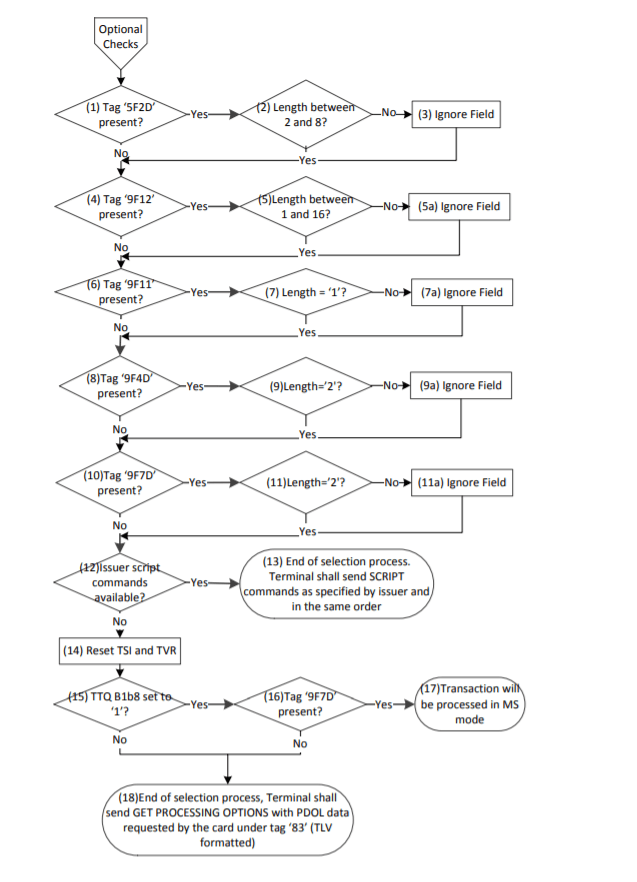
Application Preferred Name is an optional alphanumeric EMV data element of 1–16 characters, sent in tag 9F12. It is stored on the card and gives the card application a more descriptive name than the Application Label.

Payment Systems
Official Gazette No. 32332 dated 07.10.2023 published the amending Regulation and Communiqué covering digital wallets, e-money, share transfers, cloud outsourcing, remote identity verification and card system choice.
Credit Card
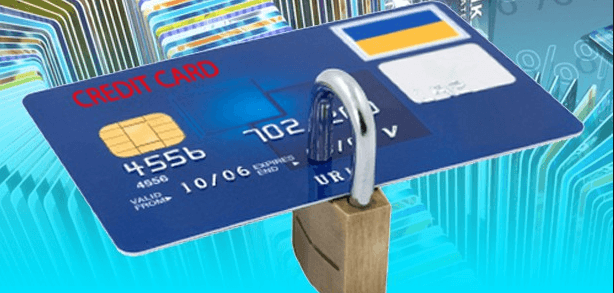
iCVV stands for Integrated Circuit Card Verification Value. To prevent fraud, it is a CVV value generated similarly to the card's track data and stored on the card's chip. Visa uses the term iCVV; MasterCard and American Express use their own equivalents.
Credit Card
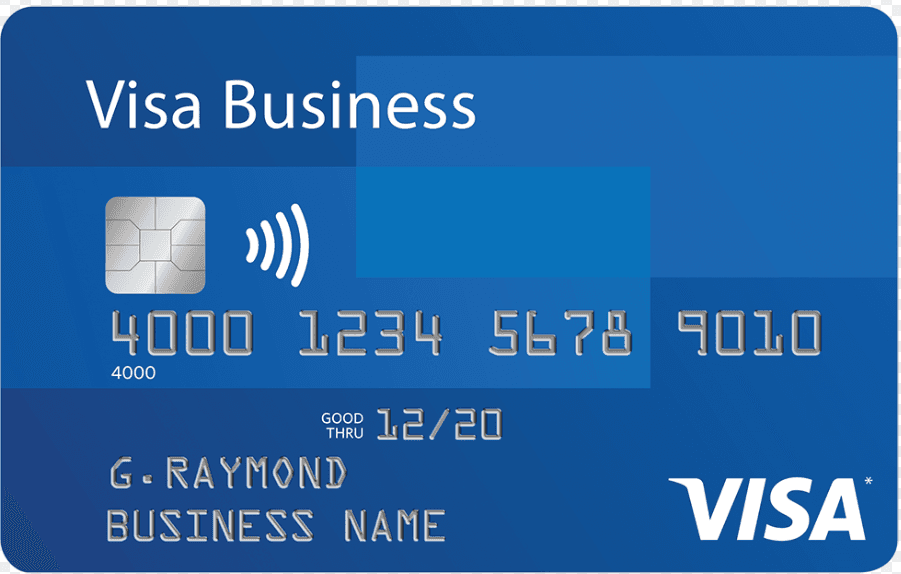
The customer's name and surname printed on credit and debit cards is called the emboss name. But can the name be printed on a card without any limit? There is a defined field for all information printed on a card, and these fields have specific standards.
Merchant & POS
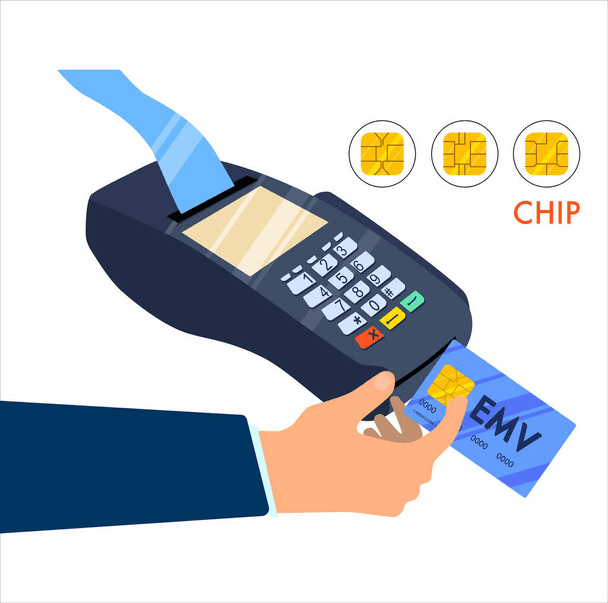
It is not possible to initiate an EMV transaction directly with credit card Track Data (magnetic stripe data), because EMV transactions use a different technology and security mechanism. Why can't an EMV transaction be initiated with Track Data?
Credit Card
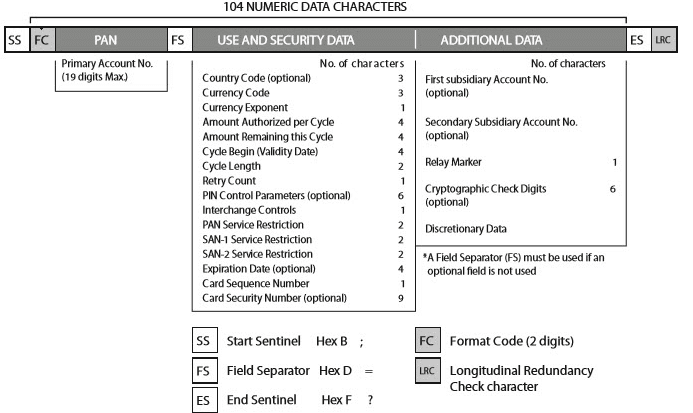
Track3 is a field that doesn't need to be written to the card's magnetic stripe. It's used only in very specific cases and isn't required for authorization transactions. Issuers generally don't encode Track3 data onto the card's magnetic stripe. It consists of 104 numeric characters.
Credit Card
Although card usage today is shifting from physical use toward virtual use, physical card production, personalization, and printing remain vital steps in card manufacturing. Here are the companies that produce and personalize cards in Turkey.