
ISO 8583
ISO 8583 Field Descriptions (F12)
DE 12-TIME, LOCAL TRANSACTION: the local time at which the transaction took place at the point of transaction (ATM, POS). 6 digits, hhmmss format. F12 differs from F7 (Transmission Date and Time).
Search
32 articles found
ISO 8583
DE 12-TIME, LOCAL TRANSACTION: the local time at which the transaction took place at the point of transaction (ATM, POS). 6 digits, hhmmss format. F12 differs from F7 (Transmission Date and Time).
Online & Authorization
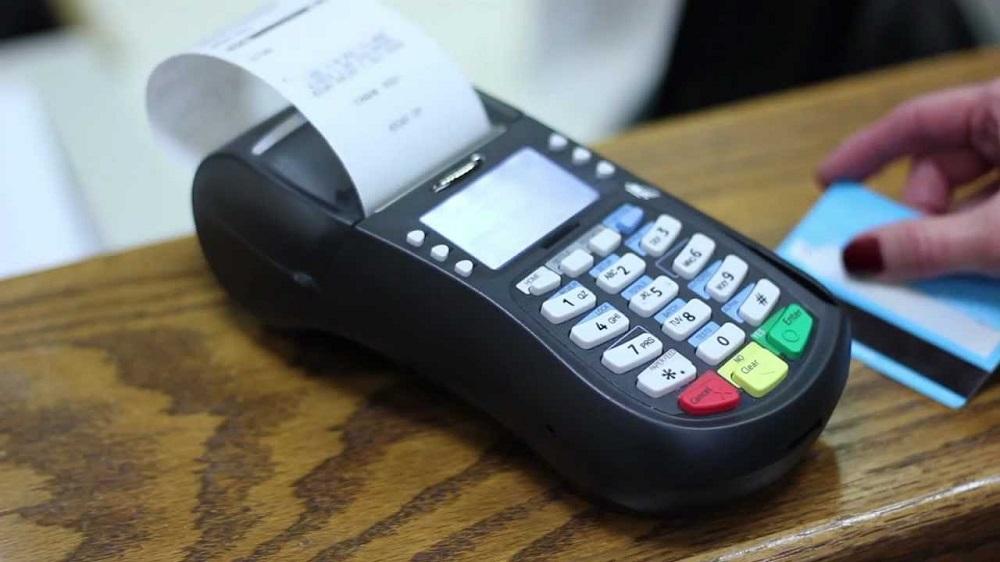
Below are the possible response code values for offline transactions and their explanations: Response Code / Explanation - Y1: Approved offline, Z1: Declined offline, Y2: Approved after referral, and more.
Merchant & POS
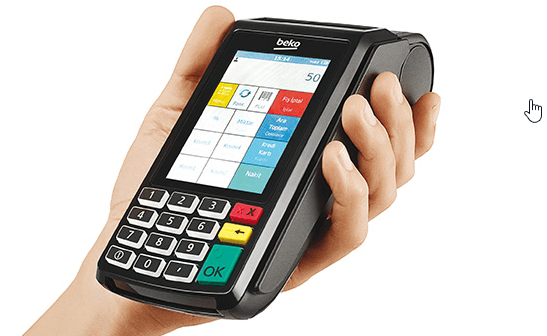
The floor limit is the value held on the POS that determines the maximum amount for which an offline transaction can be approved. It is managed per terminal and can be updated at any time through the POS parameter management system.
Merchant & POS
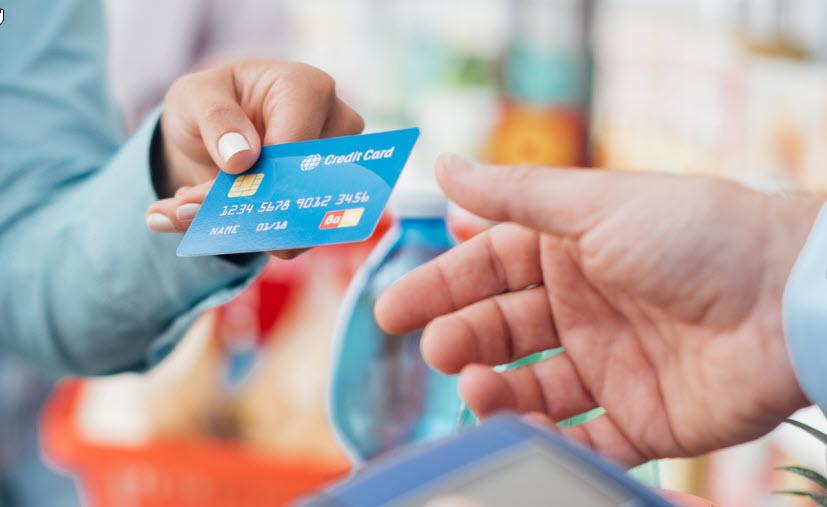
Open authorization covers the period between authorization, POS batch close, the bank's end-of-day process, and clearing. Learn which steps allow cancellation versus refund, and what a cardholder should do.
Merchant & POS
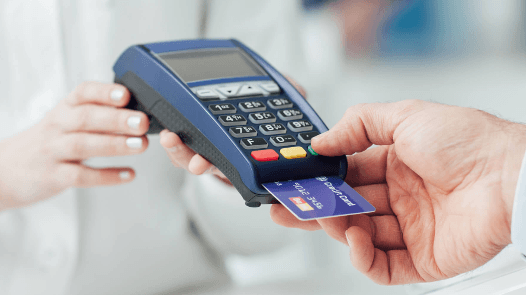
Merchants can run the end-of-day process by triggering it from the POS device or app for transactions made there. Banks can also run it centrally on merchants' behalf. The end-of-day process sends the POS's transaction totals to the bank's host system.
Payment Systems
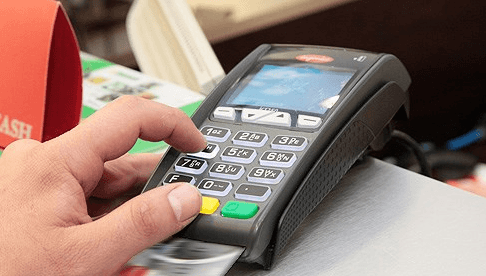
A shared POS is a bank or institution terminal that can host more than one application. This post covers the software, APN and authorization steps, and the key test scenarios to cover in a shared POS project.
Merchant & POS
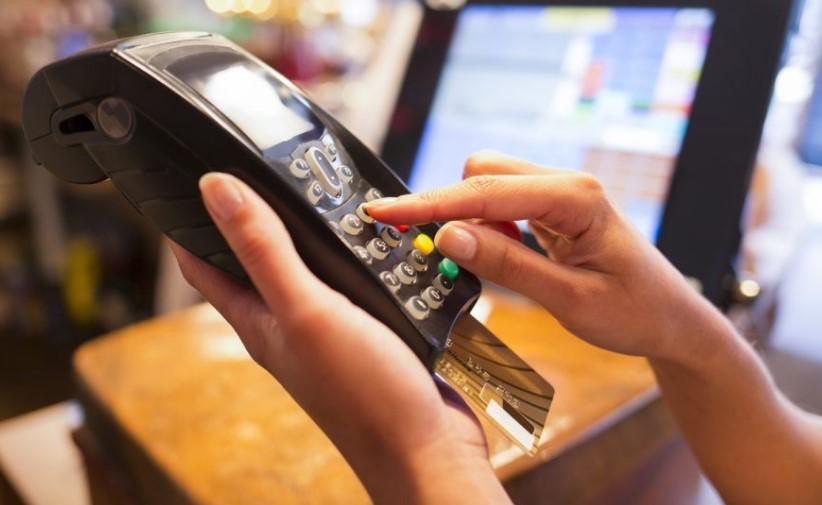
Many transactions are carried out with cards on a POS terminal. Sometimes a transaction must be reversed, and cancellation (void) is one such transaction. A Sale can only be cancelled on the POS before the batch (end of day) is closed; otherwise a refund is needed.

Merchant & POS
When a transaction is made through a POS, it is recorded both on the POS itself and in the acquiring bank's authorization system. At batch close, the POS sends all its transactions to the bank, which reconciles them against its own records.

Credit Card
While it is true that, with technological advancement, the trend of using payment transactions without a physical card via mobile phones has increased, there are many reasons why cards are still physically printed and delivered to customers.
Merchant & POS
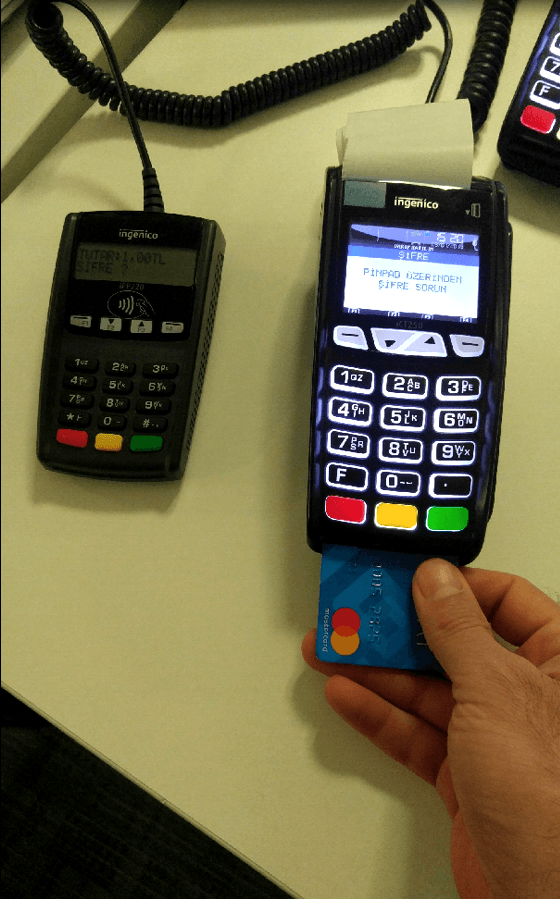
Credit card transactions made via POS sometimes need to be reversed. These are called a cancellation (void) or a refund. What's the difference, and when does each apply?
Payment Systems
In POS applications and on the merchant side, we use the term Batch in a similar way to end of day. Every transaction made via POS is held under a batch number reported to the HOST at end of day.

Payment Systems
Let's talk about payment systems, which we have heard more about since the internet entered our lives, and the basic structures behind them. The first credit card in the world was used in America in the 1920s.