Skip to content

Search

"card verification"

128 articles found

Diagram illustrating the PIN Try Counter concept on a payment card chip

Credit Card

What Is PIN (Personal Identification Number) Try Counter?

The PIN Try Counter is a value stored on the card's chip showing the number of remaining offline PIN attempts. Each incorrect offline PIN entry decreases it by 1, and it resets when the correct PIN is entered.
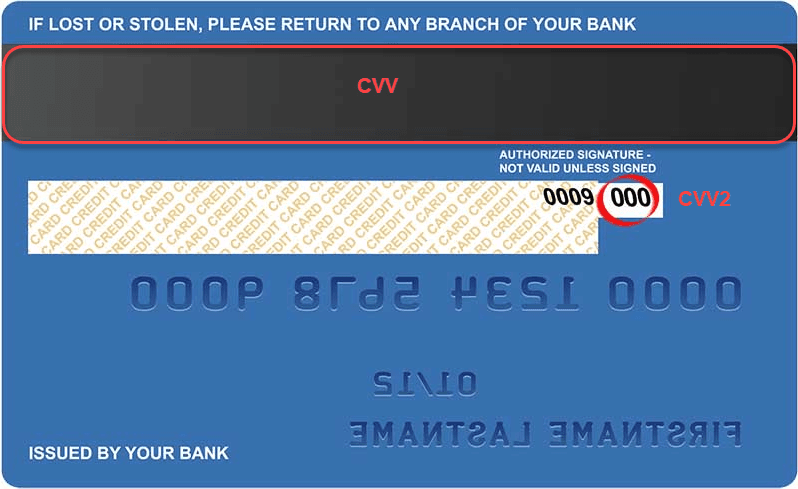
Diagram illustrating SDA, DDA, and CDA offline data authentication methods

Credit Card

What are SDA, DDA, and CDA?

SDA (Static Data Authentication), DDA (Dynamic Data Authentication), and CDA (Combined Dynamic Data Authentication) are offline data authentication methods used in chip cards. Learn how each one validates the card and the transaction.

Comparison chart showing the differences between CVV and CVV2 security codes

Credit Card

What Is the Difference Between CVV and CVV2?

CVV (CVC) and CVV2 (CVC2) are two terms that cardholders often confuse. Both are used for verification in card transactions, but there are notable differences between them, such as where each is printed and which transactions use it.

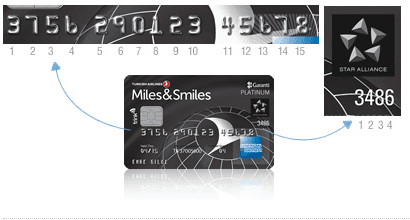
Comparison of CVV security code locations on a standard card and an American Express card

Credit Card

Is the CVV/CVC Code Always 3 Digits?

First, let's briefly explain CVV/CVC. CVV stands for Card Verification Value, a term used for Visa. CVC stands for Card Verification Code, a term used for MasterCard. The CVV/CVC code is used for cardholder verification and to reduce fraud risk.

Illustration representing the PIN Verification Key (PVK) concept in HSM security

Credit Card

What is PVK (Pin Verification Key)?

PVK (Pin Verification Key) is a key held on the HSM, used in PIN generation and verification, and therefore to confirm that a PIN is correct. On a shared network it is encrypted under TMK or ZMK; on a local network it is encrypted under one of the LMK pairs.

American Express (Amex) card and logo

Credit Card

What Is an Amex (American Express) Card?

Amex is short for American Express, a payment scheme like Mastercard, Visa, or TROY. Learn its history, what sets Amex cards apart, and whether every website accepts them.

Diagram illustrating the ISO 8583 F55 field structure for ICC system related data

ISO 8583

ISO 8583 Field Descriptions (F55)

F55 - INTEGRATED CIRCUIT CARD (ICC) SYSTEM RELATED DATA: the field where EMV data is written on chip cards. It consists of components such as Position, Private Data Subelements, PDS Tag, PDS Length, and PDS Value...

Diagram illustrating TCR (Transaction Record Component) packets used in payment clearing and settlement files

Payment Systems

What Is TCR (Transaction Record Component)?

TCR stands for Transaction Record Component, the packets that carry transaction information in a clearing system. Transaction types in a clearing file are distinguished by transaction code and usage code values, and this data is sent inside TCR packets.

Diagram of the online authorization flow for below-CVM-limit contactless transactions

Payment Systems

Domestic Flow Change Made for Below-CVM-Limit Online Contactless Transactions

The domestic authorization flow for below-CVM-limit online contactless transactions has changed. Issuers can now ask the cardholder for a PIN or request card insertion instead of simply approving or declining. This post explains the CVM list and the new DE48 PDS22 and DE39 = 65 message flows.

Illustration of ISO 8583 message format

ISO 8583

ISO 8583 Field Descriptions (F35)

F35 TRACK-2 DATA: The values printed to the card's Track 2 data in ISO 7813 format, including field separators and start/end sentinels, but excluding LRC (Longitudinal Redundancy Check) characters. It is 37 characters long.

Illustration explaining how a card's CVV value is generated

Credit Card

How is CVV generated?

CVV is a very critical 3-digit value used during a card's authorization process. The CVV value is encoded in the card's magnetic stripe data (Track 1 and Track 2). Is it generated by an algorithm or chosen at random?

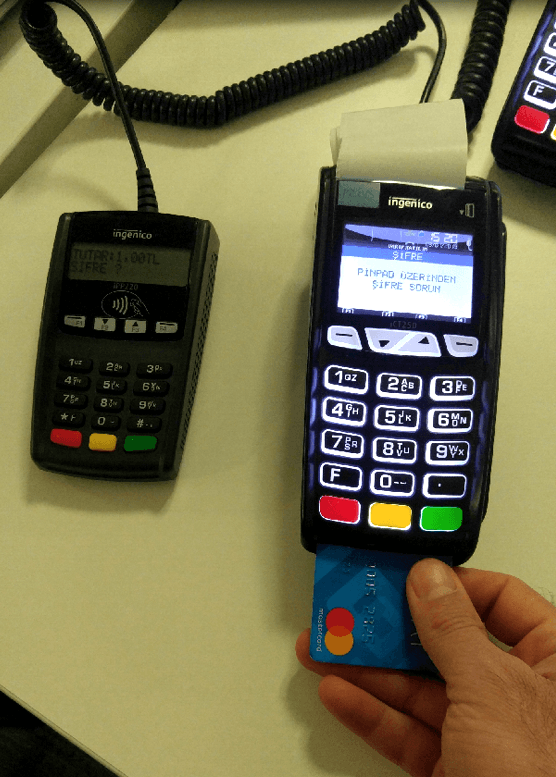
PIN pad device connected to a POS terminal

Merchant & POS

What Is a PIN Pad Device?

A PIN pad lets cardholders safely enter their PIN during POS transactions and lets contactless cards be tapped to transfer card data to the POS. Here is how it works.