Skip to content

Search

"configuration"

22 articles found

Diagram showing the CAT (Cardholder Activated Terminal) Indicator field used in payment authorization messages

Merchant & POS

What is the CAT (Cardholder Activated Terminal) Indicator?

CAT (Cardholder Activated Terminal) devices are typically unattended terminals that accept various payment cards. These terminals are frequently installed at railway ticket stations, gas stations, toll roads, parking lots, and other commercial locations.
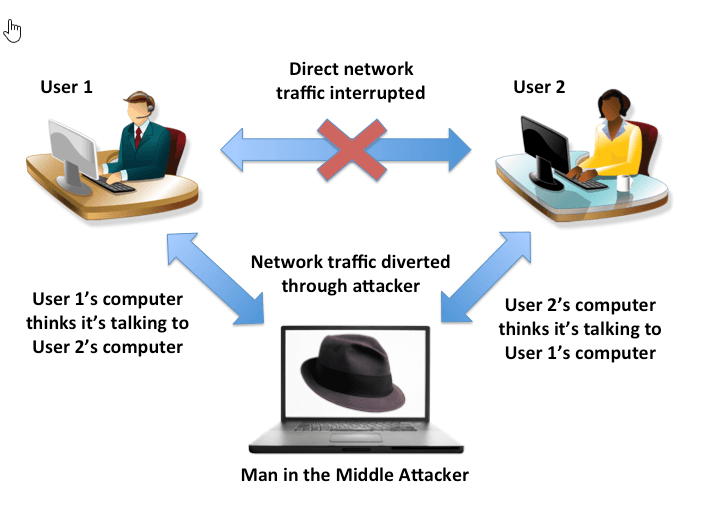
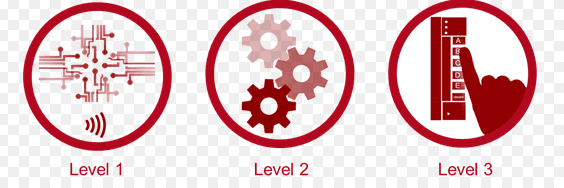
Diagram illustrating a man-in-the-middle attack intercepting communication between a client and a server

Fraud

What is a Man-in-the-Middle Attack (MITM)?

A man-in-the-middle attack is a method in which an attacker inserts themselves between the server and client to intercept users' information, steal passwords, and gain access to accounts on a local network. This fraud mostly occurs over public internet connections.

Diagram illustrating EMV Level 1, Level 2, and Level 3 certification stages for payment terminals

Merchant & POS

What Are EMV Level 1, Level 2, and Level 3 Certifications?

The EMV Level 1 standard refers to an important global payment industry specification defining the electrical and physical interface between credit and debit cards and the payment terminal (ATM/POS). The EMV Contactless Level 1 certification guarantees that the device…

EMV Lower Consecutive Offline Limit 9F14 illustration

EMV

What Is the Lower Consecutive Offline Limit?

The Lower Consecutive Offline Limit is the maximum number of consecutive offline transactions allowed by the ICC application, as set by the issuer, on a terminal capable of going online. It is sent in tag 9F14.

Illustration showing how an Application Identifier (AID) is used in a chip card transaction

EMV

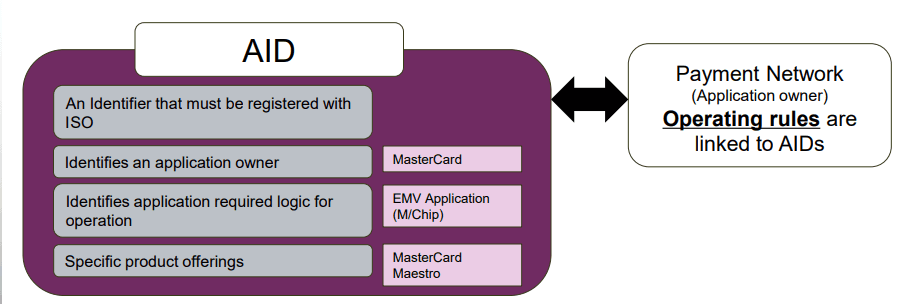
What is an Application Identifier (AID)?

The AID tells the terminal which applications are present on a chip during a POS or ATM transaction. What does the AID do? It lets the terminal determine whether it supports an application on the chip. In Tag 9F06, it is 5-16 digits long.

Table listing the EMV chip specifications used by Visa, Mastercard, American Express, JCB, Discover, and UnionPay

EMV

What are EMV Schemes?

EMV standards form the foundation for chip cards to work on terminals worldwide, but each scheme - VSDC (Visa), M/Chip (Mastercard), AEIPS (Amex), J Smart (JCB), D-PAS (Discover), and UICS (UnionPay) - defines its own keys, rules, and card profiles.

Shared POS device used for processing multiple banks' card transactions

Credit Card

What is a Shared POS?

A Shared POS is a POS solution that allows the credit card applications of multiple banks, such as installments and loyalty points, to run on a single POS device. It automatically recognizes the cards of banks loaded on it and routes the transaction accordingly.

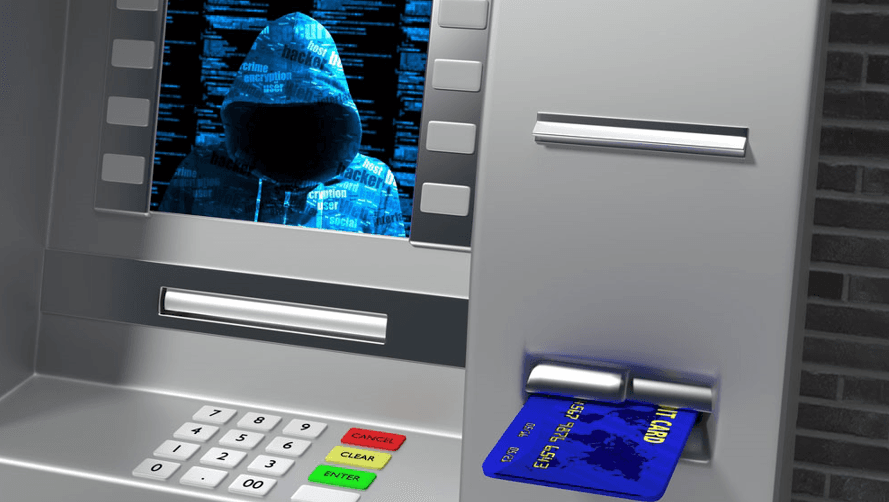
ATM machine vulnerable to hacking and fraud

ATM

Can ATMs Be Hacked?

ATMs are among the channels banks use most to serve customers. Besides being one of the most important channels, because they physically dispense cash and give access to a customer's account, many fraud cases occur at ATMs.