Skip to content

Search

"data integrity"

52 articles found

ATM machine targeted by jackpotting attacks

ATM

ATM Hacking Attacks Are on the Rise!

ATMs hold large amounts of cash, which keeps them in fraudsters' sights. Diebold Nixdorf and NCR report that jackpotting attacks have reached the United States. Here is what happened and what precautions can improve ATM security.

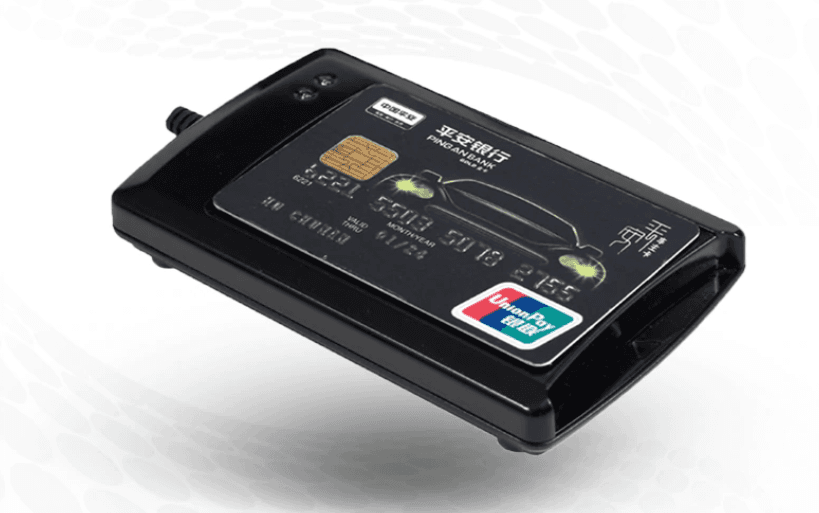
Table of CAVV result codes and what they mean for merchants

Merchant & POS

What is CAVV? What is AAV?

CAVV and AAV are verification codes used in 3D Secure transactions to ensure transaction integrity and security. CAVV is used by Visa, while AAV is used by Mastercard.

SCRW smart card reader/writer device

Security

What is SCRW (Smart Card Reader Writer)?

SCRW (Smart Card Reader Writer) can be translated as Smart Card Reader/Writer. Smart chip card readers are sophisticated devices with built-in intelligence, usable in PCs, laptops, servers, smartphones, and set-top boxes.

Illustration representing an online marketplace connecting buyers and sellers

E-commerce

What is a marketplace?

A marketplace is an online payment platform where buyers and sellers come together, where products and services are listed for sale, and other operations are facilitated.

Diagram showing how the iCVV code is generated for EMV chip cards

Credit Card

What Is iCVV? How Is It Generated?

iCVV stands for Integrated Circuit Card Verification Value. To prevent fraud, it is a CVV value generated similarly to the card's track data and stored on the card's chip. Visa uses the term iCVV; MasterCard and American Express use their own equivalents.

Illustration of a marketplace solution connecting multiple online marketplaces and sellers

E-commerce

What Is a Marketplace Solution?

A marketplace solution is a service offered by software that enables communication and data exchange between different marketplaces. It is a multi-vendor online shopping infrastructure, including the payment system, for listing, searching and buying products and services.

EMV Lower Consecutive Offline Limit 9F14 illustration

EMV

What Is the Lower Consecutive Offline Limit?

The Lower Consecutive Offline Limit is the maximum number of consecutive offline transactions allowed by the ICC application, as set by the issuer, on a terminal capable of going online. It is sent in tag 9F14.

EMV upper consecutive offline limit

Merchant & POS

What Is the Upper Consecutive Offline Limit?

The Upper Consecutive Offline Limit is the maximum number of consecutive offline transactions allowed by the issuer's chip card application on a terminal that cannot go online. It is held in tag 9F23.

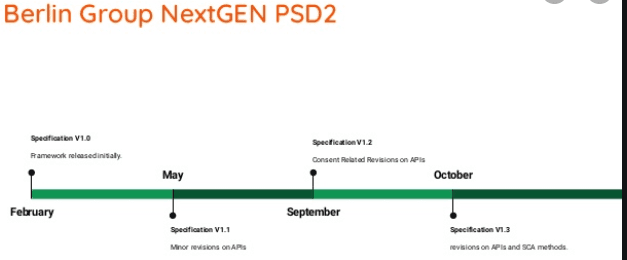
Diagram illustrating the NextGenPSD2 framework for open banking APIs

Open Banking

What Is NextGenPSD2?

NextGenPSD2 is the set of API standards launched by the Berlin Group in 2017, now involving more than 1,700 banks from 20 countries. This post explains what the framework offers to banks, fintechs and third-party providers under PSD2.

Diagram illustrating ISO 8583 Field 61 Point of Service (POS) data structure

ISO 8583

ISO 8583 Field Descriptions (F61)

F61 - POINT OF SERVICE (POS) DATA: This field provides information about the specific status of the POS at the time of the transaction. Position Usage Attribute 1 POS Terminal Attendance Indicator 0 = Attended terminal (Valid for MasterCard debit card and Maestro transactions only).

Illustration of ChatGPT Instant Checkout and the Agentic Commerce Protocol

Online & Authorization

Shopping Directly from ChatGPT: A New Era with Agentic Commerce

OpenAI and Stripe announced the Agentic Commerce Protocol (ACP), with Instant Checkout live on Etsy and Shopify in the US. What this means for payment facilitators and e-commerce platforms, and what may come beyond one-click checkout.