Skip to content

Search

"data integrity"

52 articles found

Illustration of the Mastercard Data Integrity Monitoring Program for transaction data quality

Credit Card

What Is the Data Integrity Monitoring Program?

Published by Mastercard on 24 May 2019, the Data Integrity Monitoring Program monitors transactions (authorization, clearing, chip, chargeback, etc.) in the Mastercard system to reduce erroneous transactions and increase transaction success rates.

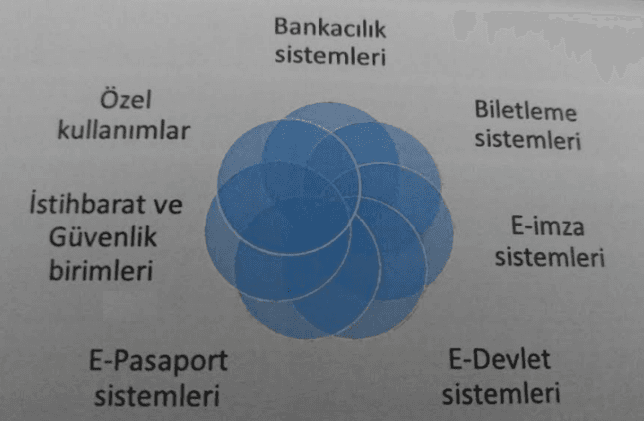
Illustration representing the products and services KKB offers directly to its member institutions

Credit Card

What Products and Services Does KKB Offer Directly to Members?

KKB was established, under banking law, to enable the exchange of all kinds of information and documents among at least five banks, and it also shares credit information about customers. The Credit Bureau of Turkey also serves deposit banks, participation banks, financial institutions, and more.

Diagram of HSM use case areas in security and payment systems

HSM & Security

What Is an HSM? What Is It Used For?

HSM, short for Hardware Security Module, is specialized security hardware built to store sensitive cryptographic keys in a physical environment and to perform cryptographic operations in the most secure way.

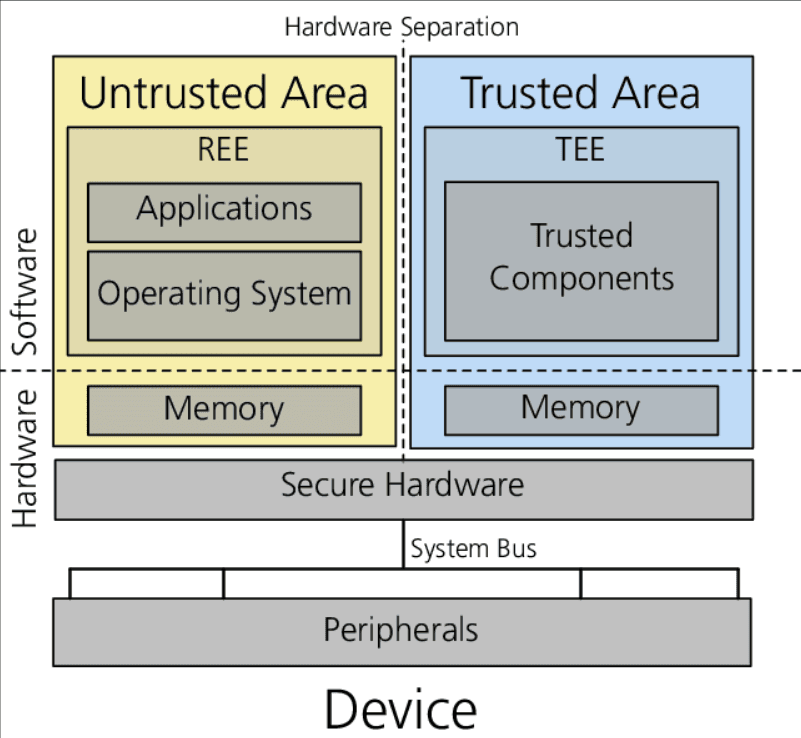
Diagram illustrating a Trusted Execution Environment (TEE) architecture

HSM & Security

What is TEE (Trusted Execution Environment)?

A Trusted Execution Environment (TEE) is an environment where executed code and accessed data are isolated and protected in terms of confidentiality (no one has access to the data) and integrity (no one can alter the code or its behavior). We may not realize it, but many…

Illustration representing open banking and banking as a service with digital banking and API connection icons

Open Banking

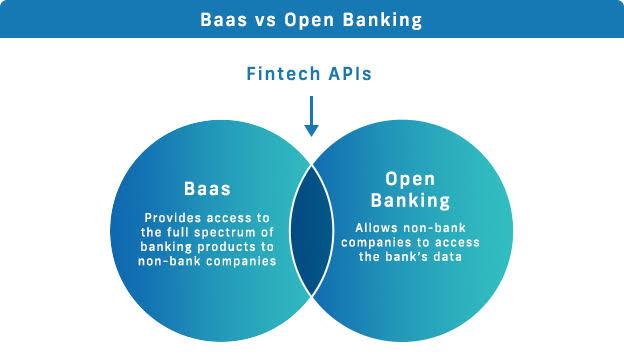
What are the differences between Banking as a Service and Open Banking?

First, it is useful to briefly recall the concepts of Banking as a Service and Open Banking. Banking as a Service (BaaS) lets interface developers connect directly to service banks' systems via APIs and open banking services to run banking transactions for customers...

BKM API gateway integration deadline

Payment Systems

Target Date for BKM API Gateway Integration Amended

An amendment was made to the communiqué on the information systems of payment and e-money institutions and data sharing services, setting 31/3/2025 as the deadline for other payment service providers' obligations.

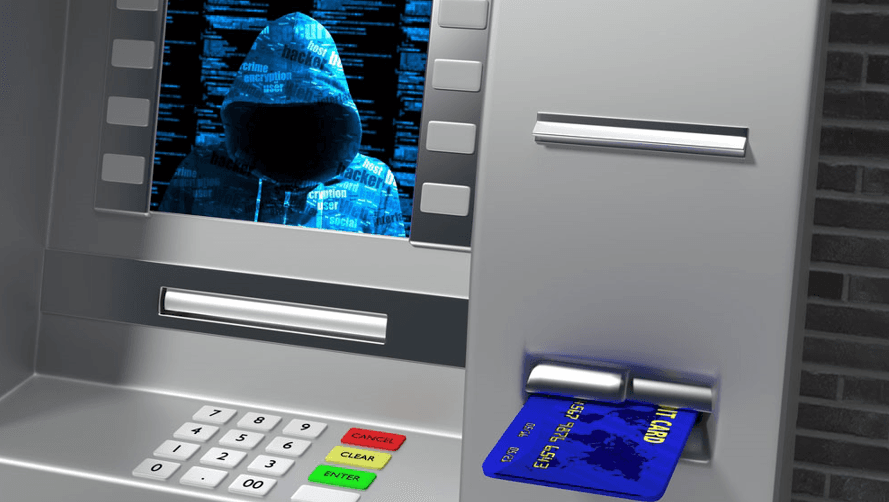
ATM machine vulnerable to hacking and fraud

ATM

Can ATMs Be Hacked?

ATMs are among the channels banks use most to serve customers. Besides being one of the most important channels, because they physically dispense cash and give access to a customer's account, many fraud cases occur at ATMs.

Diagram illustrating the ISO 8583 F55 field structure for ICC system related data

ISO 8583

ISO 8583 Field Descriptions (F55)

F55 - INTEGRATED CIRCUIT CARD (ICC) SYSTEM RELATED DATA: the field where EMV data is written on chip cards. It consists of components such as Position, Private Data Subelements, PDS Tag, PDS Length, and PDS Value...

ISO 8583 F22 Point of Service Entry Mode table

ISO 8583

ISO 8583 Field Descriptions (F22)

F22 - POINT OF SERVICE ENTRY MODE: This field holds how the transaction was performed via the POS/ATM and the PIN entry capability of the POS device. The first 2 digits show how the transaction was performed, and the last digit (shown as x) carries the POS's PIN entry capability. Numeric...

Illustration representing communication protocols used in POS payment systems

Merchant & POS

What Are POS Sub-Protocols and Their Use Cases in Turkey?

In payment systems, every exchange between POS devices and bank or payment institution systems runs on a specific messaging standard, generally based on ISO 8583. However, each country, bank, or switch network defines its own version of this standard.

Diagram illustrating open banking, where customer financial data is shared with fintech companies through APIs

Payment Institutions & E-Money

What Is Open Banking?

Open banking means sharing customers' financial information with a third-party fintech company so that a range of banking and financial services can be offered to them. It works through API integrations. This post covers its status in Turkey and the new BRSA regulation.