Skip to content

Search

"merchant agreement"

56 articles found

Merchant choosing between a bank POS and a virtual POS service

Merchant & POS

Is it mandatory to work with a bank to get a POS terminal?

The answer depends on the type of POS terminal. A physical POS (GPRS, Dial-Up, IP, or cash-register POS) requires working with a bank. A virtual POS can also be obtained from a payment institution without a separate bank agreement.

Diagram illustrating the types of chargeback disputes in card payments

Chargeback

What are the chargeback dispute types?

A chargeback is a dispute raised against a card transaction when the cardholder did not make it or does not recall it. The dispute types vary depending on the situation; let's look at them.

Business owner reviewing the documents required for a POS merchant application

Merchant & POS

Can I get a POS device as an individual customer?

For a POS device to be issued to a customer, the customer must have a legal entity status, such as a sole proprietorship, commercial company, or foundation/association. POS devices cannot legally be issued to individual customers.

Diagram illustrating how the Termination Tracking System (FTS) works

Payment Systems

What Is FTS (Termination Tracking System)?

FTS (Termination Tracking System) lets banks check, before signing a merchant agreement, whether the applicant company or its representative has a negative history with any bank.

American Express chargeback reason codes list from the Chargeback and Exception Processing Guide

Chargeback

What Are the American Express Chargeback Reason Codes?

Chargeback reason codes vary by card scheme. The Amex chargeback reason codes and their descriptions are listed below: American Express Chargeback Reason Codes A01 The charge you submitted did not receive a valid authorization approval code for the amount...

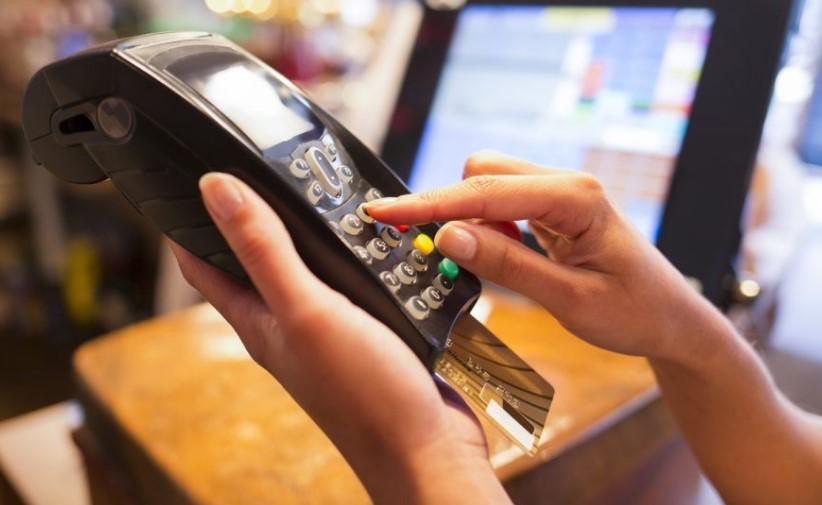
POS terminal used for card payment transactions

Merchant & POS

What is On-Us Leakage?

On-Us Leakage is a term used in the world of payment systems. On-us means the card-issuing bank and the POS-acquiring bank are the same. So what does on-us leakage mean in this context?

Diagram explaining the MCC merchant category code field in ISO 8583 messages

ISO 8583

ISO 8583 Field Descriptions (F18)

F18-MERCHANT TYPE: This is the merchant's category code (MCC) information. It must contain values from the Mastercard or Visa MCC Code list. It is a 4-digit numeric value. For ATM transactions, MCC code 6011 should be sent. The role of MCC in authorization...

Table of Visa and Mastercard fraud codes and descriptions

Security

What Are the Visa and Mastercard Fraud Codes?

Fraud means obtaining unjust gain by carrying out a transaction at a merchant or ATM using someone else's credit card or debit card, causing a loss to the real cardholder, the merchant, or the bank. So what fraud codes do Visa and Mastercard use?

Illustration representing a fictitious POS transaction

Fraud

What Is a Fictitious Transaction?

According to the Banks Association of Turkey, a fictitious transaction is a collusive transaction made by misusing POS devices, debit cards, or credit cards. Banks that detect such transactions through merchants report them to the Banks Association of Turkey.

Online mail order payment form being filled out on a laptop

Merchant & POS

What is the risk of mail order transactions for merchants?

Mail order transactions are preferred by cardholders because they only block the card limit by the installment amount, creating a sales opportunity for merchants. But is the remaining balance guaranteed?