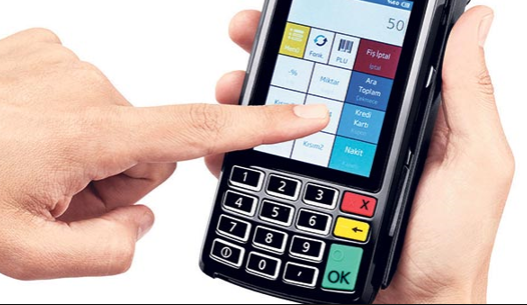
The answer to this question varies depending on the type of POS terminal.
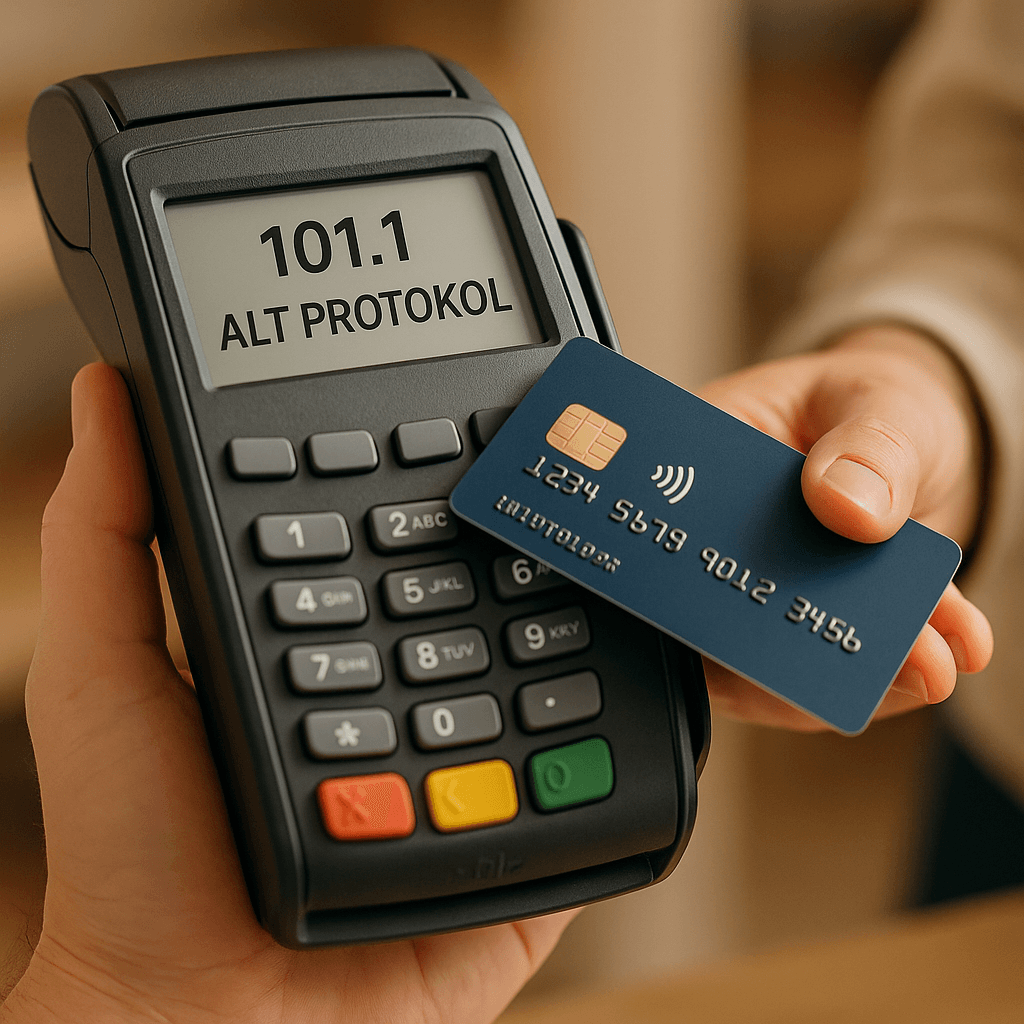
If the POS terminal you will get is a physical POS (GPRS, Dial-Up, IP, or cash-register (OKC) POS), working with a bank is mandatory.
If the POS terminal you will get is a virtual POS, arranging a POS through a bank is one option, but getting virtual POS service from companies that provide virtual POS and online payment services (Iyzico, PayU, etc.) is also a solution. In other words, working with a bank is not mandatory for virtual POS service.
In other words, once the virtual world comes into play, the opportunities, services, and companies become more diverse.
Why is a bank required for a physical POS?
For card transactions made with a physical POS to connect to the card schemes' networks and for clearing and settlement to take place, the institution accepting the transaction must be a member of these systems. In Turkey, the institutions that sign merchant agreements and install physical POS terminals are predominantly banks. For this reason, a merchant that wants a physical POS signs a merchant agreement with a bank that provides this service.
Payment institutions and virtual POS
Payment institutions licensed under Law No. 6493 can offer payment services to merchants alongside banks. Virtual POS and online payment services are among the most common services these institutions provide. A merchant working with such institutions can accept card payments over the internet without signing a separate contract with a bank.
Which one should you choose?
- Bank POS: Commission rates are generally determined by the merchant's transaction volume and its relationship with the bank. Installment transactions and campaign opportunities may be offered with the bank's own cards.
- Payment institution: The application and integration process is generally faster. It provides an easy start for small businesses and new e-commerce sites. It can offer installment options from multiple banks through a single integration.
When making a choice, in addition to commission rates, the time it takes for payment to reach the merchant's account, how refund and dispute processes work, and the quality of technical support should also be evaluated.