Skip to content

Search

"Data Protection"

62 articles found

ATM machine targeted by jackpotting attacks

ATM

ATM Hacking Attacks Are on the Rise!

ATMs hold large amounts of cash, which keeps them in fraudsters' sights. Diebold Nixdorf and NCR report that jackpotting attacks have reached the United States. Here is what happened and what precautions can improve ATM security.
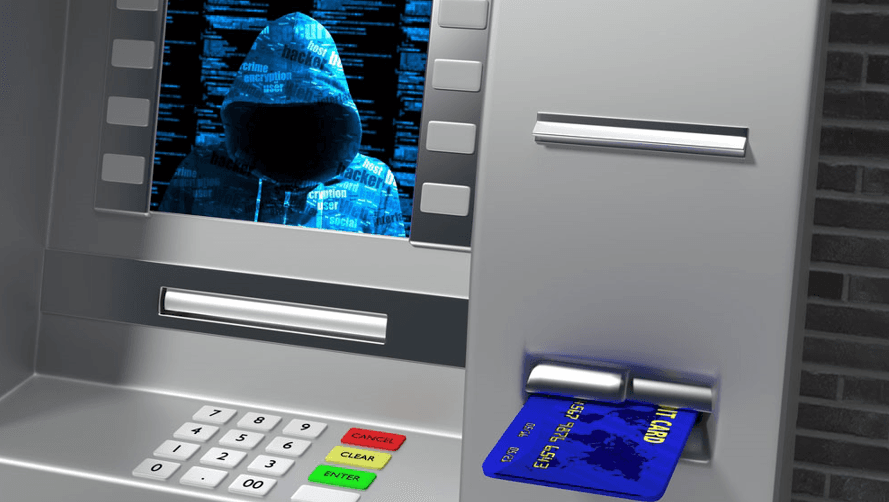
ATM machine vulnerable to hacking and fraud

ATM

Can ATMs Be Hacked?

ATMs are among the channels banks use most to serve customers. Besides being one of the most important channels, because they physically dispense cash and give access to a customer's account, many fraud cases occur at ATMs.

Illustration of data leakage channels and risks leading to fraud

Fraud

What are data leakage frauds?

Data leakage is the intentional or accidental exposure of sensitive data through any channel where it is stored, processed or transmitted. This post covers its three main causes and the DLP solutions used to prevent it.

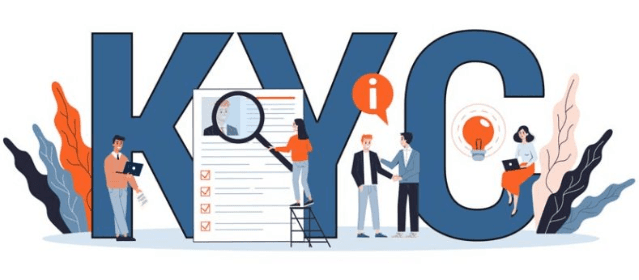
Illustration of a Know Your Customer (KYC) identity verification process

Payment Systems

What is KYC (Know Your Customer)?

Know Your Customer, in short, means identifying your customer. The process by which institutions identify their customers and determine their suitability for a business relationship and the risks they may pose is called KYC.

Table of CAVV result codes and what they mean for merchants

Merchant & POS

What is CAVV? What is AAV?

CAVV and AAV are verification codes used in 3D Secure transactions to ensure transaction integrity and security. CAVV is used by Visa, while AAV is used by Mastercard.

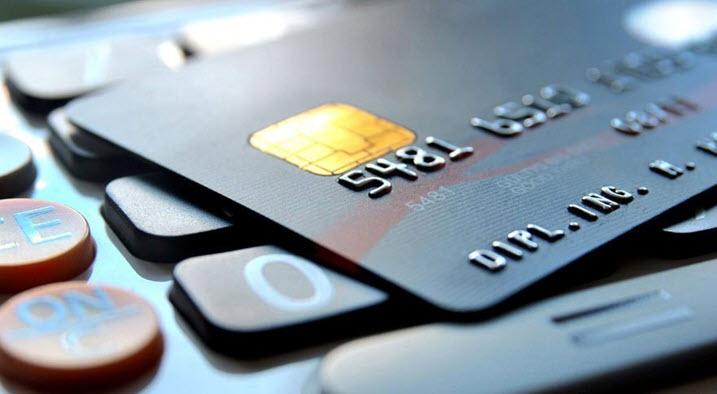
Payment card illustrating magnetic stripe data used for PIN verification

Credit Card

What is PVV (PIN Verification Value)?

PVV is the number encoded on a card's magnetic stripe that allows the cardholder's PIN to be verified by ATMs and POS terminals. It is a 4-digit cryptogram calculated through a cryptographic operation using the PIN and card data. The real result is longer than 4 digits.

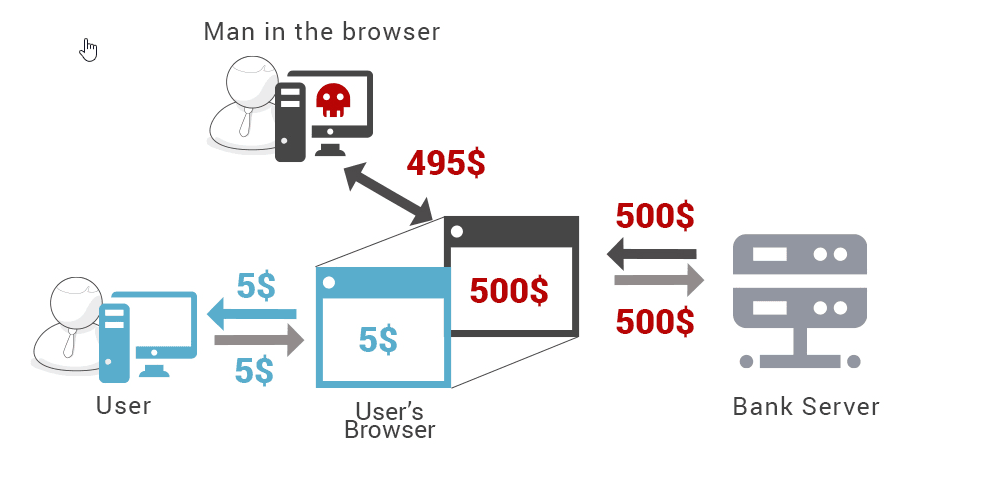
Illustration representing a Man in the Browser (MitB) cyberattack on online banking

Security

What is a Man in the Browser Attack (MitB)?

In the Man in the Browser fraud method, the goal is not to steal the user's password but to place malware in the browser itself. A malicious browser extension can alter the amount and recipient of the user's transfers at will.

Diagram of the components that make up an HCE transaction token

HCE

What components make up an HCE Token (Transaction Token)?

The token used in HCE transactions contains more than just a new number derived from the card number. It also includes single-use keys, an expiration date, RSA keys and certificates, transaction limits, and an Application Transaction Counter (ATC).

Comparison chart showing the differences between CVV and CVV2 security codes

Credit Card

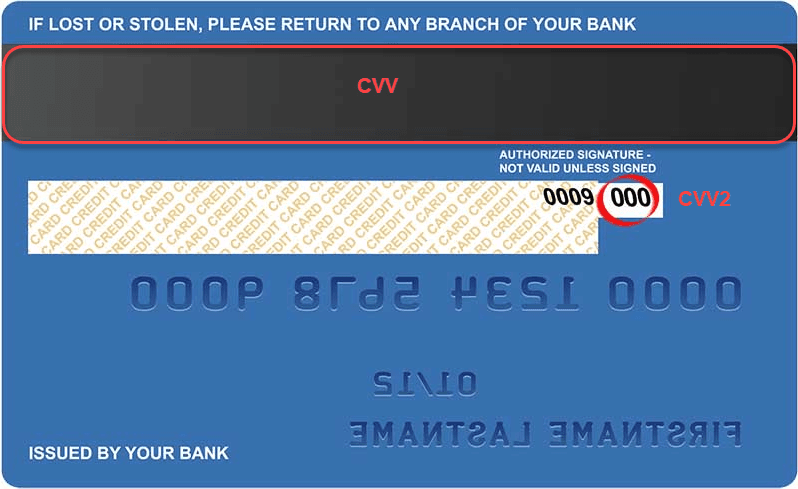
What Is the Difference Between CVV and CVV2?

CVV (CVC) and CVV2 (CVC2) are two terms that cardholders often confuse. Both are used for verification in card transactions, but there are notable differences between them, such as where each is printed and which transactions use it.

ISO 8583 field 52 PIN data encrypted PIN block

ISO 8583

ISO 8583 Field Descriptions (F52)

DE 52 — Personal Identification Number (PIN) Data: the field that holds the PIN data. PIN verification is carried out based on this field.