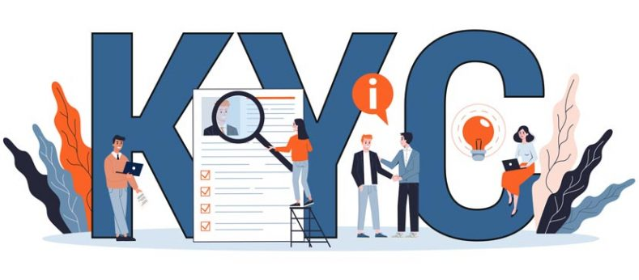
Know Your Customer, in short, means identifying your customer. The process by which institutions identify their customers and determine their suitability for a business relationship, along with the risks they may create, is called KYC.
While the phrase "know your customer" may seem trivial to most people, it carries great significance in the business world. The customer identification process, also known as KYC, is the process businesses carry out before or during doing business with customers in order to verify their identities.
In our country, in order to reduce risk by evaluating KYC within the scope of preventing the laundering of proceeds of crime and the financing of terrorism, exchanges request the relevant documents from their customers in accordance with the legislation in force, primarily Law No. 5549 on the Prevention of Laundering Proceeds of Crime and Law No. 6415 on the Prevention of the Financing of Terrorism.
KYC aims to identify customers, assess money laundering, measure risky customers, and monitor customer activities. KYC is an additional compliance and security resource aimed at eliminating illegal activity across all industries, including retail, banking, and e-commerce companies.
KYC policies have become globally very important. KYC policies have become an important tool in combating illegal transactions in international finance. KYC allows companies to protect themselves by ensuring they do business legally and with legitimate entities, and it also protects individuals who could be harmed by financial crime.
Many financial institutions begin their KYC procedures by collecting simple data and information about their customers, ideally using electronic identity verification.
The information required to make KYC policies enforceable can include details such as full name, address confirmation (residence), bank account statements, customer invoices, and a photo with a petition containing a specific code. This may seem complicated to some customers and may bother others, but this kind of information prevents companies from unknowingly being used to finance money laundering and terrorism.