Skip to content

Search

"card on file"

81 articles found

Illustration representing the chargeback and dispute process in card payments

Chargeback

What Are the Domestic Exceptions to Chargeback Rules?

A chargeback is the refund of an amount paid by credit card to the cardholder's card when the purchased goods or services were not received, or when a transaction was not actually carried out by the cardholder.
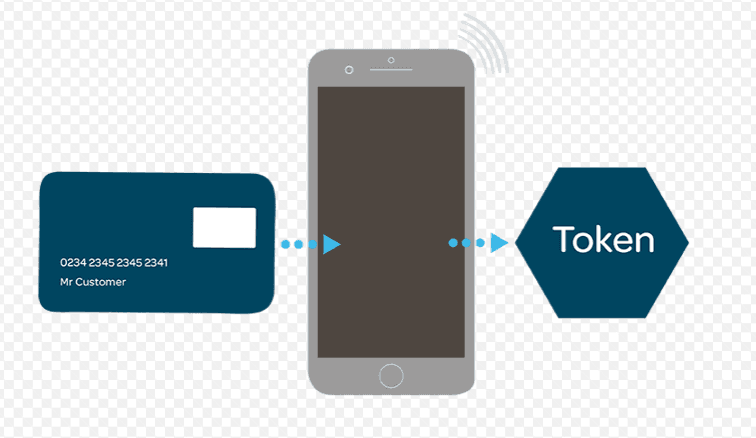
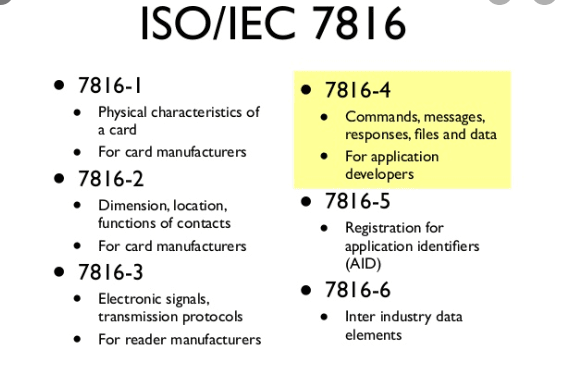
Diagram comparing the three levels of payment-card tokenization: static, semi-dynamic and dynamic

HCE

What Are the Levels of Tokenization?

Generating a token from the card number is essential to the security of payments made with mobile devices. The level of tokenization used depends on the need and on how critical the token is. Static tokenization: the token is generated once and stored in a database.

ISO/IEC 7816-5 application identifier (AID) structure

Online & Authorization

What Is ISO/IEC 7816-5?

ISO/IEC 7816-5 defines how to use an application identifier to determine whether an application is present on a card and/or to retrieve the application on the card.

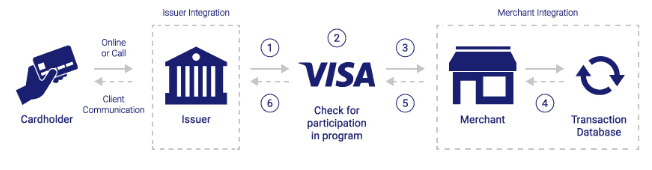
Visa Merchant Purchase Inquiry (VMPI) process diagram

Fraud

What is Visa Merchant Purchase Inquiry (VMPI)?

Chargeback is the process of refunding a credit card payment when the goods or services that should have been received were not, or when transactions not made by the cardholder are identified. In Turkish it is translated as reversal of presentment.

Example of a QR code (karekod) pattern

Merchant & POS

What is a static QR code?

A static QR code is a code whose content is fixed and can be used for multiple payment transactions. So what is the difference between a static and a dynamic QR code?

Diagram showing how an international card transaction is processed

Online & Authorization

How does the international transaction flow work?

When a card transaction is made abroad, banks usually calculate the cost from a percentage commission, a fixed commission, and an exchange rate margin. The flow starts when the customer requests a cash withdrawal at a foreign ATM.

POS terminal used for card payment transactions

Merchant & POS

What is On-Us Leakage?

On-Us Leakage is a term used in the world of payment systems. On-us means the card-issuing bank and the POS-acquiring bank are the same. So what does on-us leakage mean in this context?

Diagram illustrating clearing and settlement in payment systems

Clearing

What Are Clearing and Settlement?

Clearing: the transmission of transfer orders sent to the system, mediating their mutual delivery, obtaining authorization prior to settlement in some systems, and netting payment orders.

Close-up of a credit card, illustrating a transaction pending in open authorization

Merchant & POS

Can an Open-Authorization Transaction Be Cancelled?

Open authorization covers the period between authorization, POS batch close, the bank's end-of-day process, and clearing. Learn which steps allow cancellation versus refund, and what a cardholder should do.

Diagram showing how an open authorization moves to a card statement after batch close and clearing

Credit Card

What Is an Open Authorization?

In credit card transactions made through a POS, receiving approval alone is not enough for the transaction to post to the card's statement period; settlement must also take place. The settlement period, known as the open-authorization waiting time, varies by transaction type.

POS terminal used for EMV card payment processing

Merchant & POS

TVR (Terminal Verification Results)

Terminal Verification Results (TVR): a sequence of bits produced when a terminal reads an EMV card, based on logical checks such as an expired card. This data object is used to decide whether a payment transaction should be accepted online, declined, or allowed to proceed.