Skip to content

Search

"card validation"

76 articles found

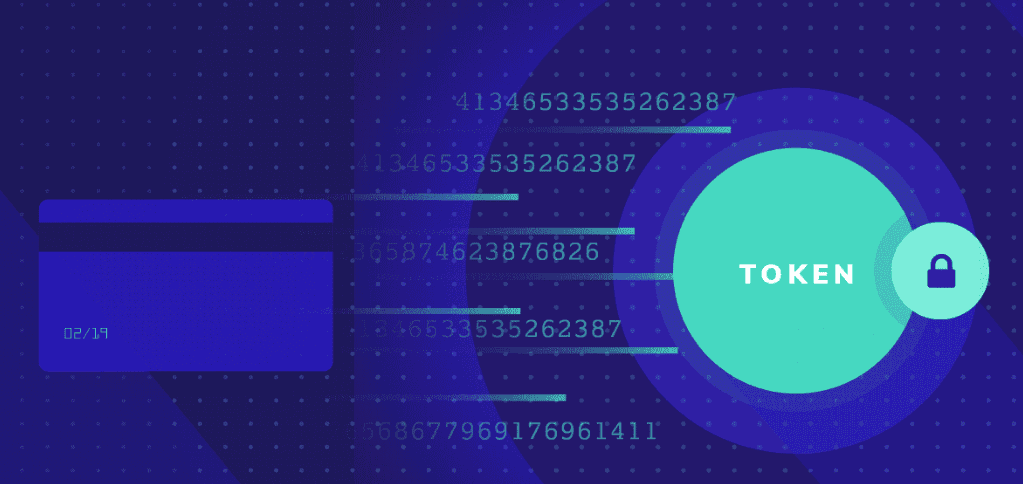
Diagram illustrating the tokenization and detokenization process for card payments

HCE

What Are Tokenization and Detokenization?

Tokenization generates secure data from a credit card number, using specific algorithms, for use during authorization. In CNP transactions, it removes the risk of storing or compromising the original card number.

Table of chargeback reason codes by payment scheme

Chargeback

What Are the Chargeback Reason Codes by Payment Scheme?

A chargeback is the process of requesting that an amount paid by credit card be refunded, either because the goods or services paid for were not received, or because a transaction is identified as one the cardholder did not carry out.

Diagram of the components that make up an HCE transaction token

HCE

What components make up an HCE Token (Transaction Token)?

The token used in HCE transactions contains more than just a new number derived from the card number. It also includes single-use keys, an expiration date, RSA keys and certificates, transaction limits, and an Application Transaction Counter (ATC).

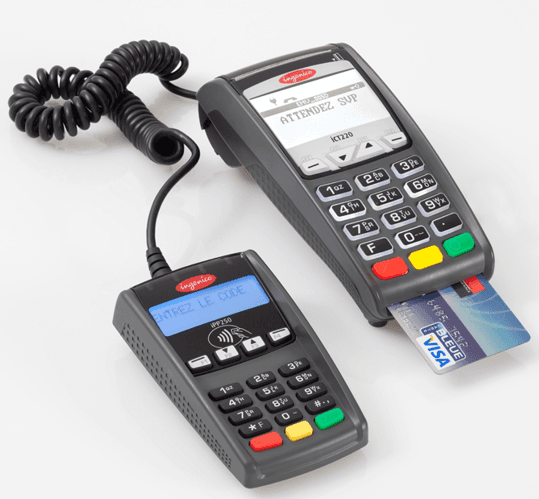
Diagram showing different types of POS terminals used for card payments

Merchant & POS

What Is a POS (Point of Sale)?

Virtual or electronic authorization devices connected to a bank, used by merchants to accept card payments. The term comes from the English phrase Point of Sale. Covers POS types by communication method, their advantages, who can use one, and the transactions a POS can perform.

Credit card expiration date printed on the front of a card

Credit Card

What Is Effective Date?

The Effective Date is the information showing the date until which a card can be actively used. It can also be called the expiration date. It is a mandatory field printed on the card and used in transactions, set by banks for card security.

Expiration date printed on the front of a payment card

Credit Card

What Is a Card Expiration Date?

What is a card expiration date? Learn why banks print this date on every card, how it's used in purchases, and what happens once it passes.

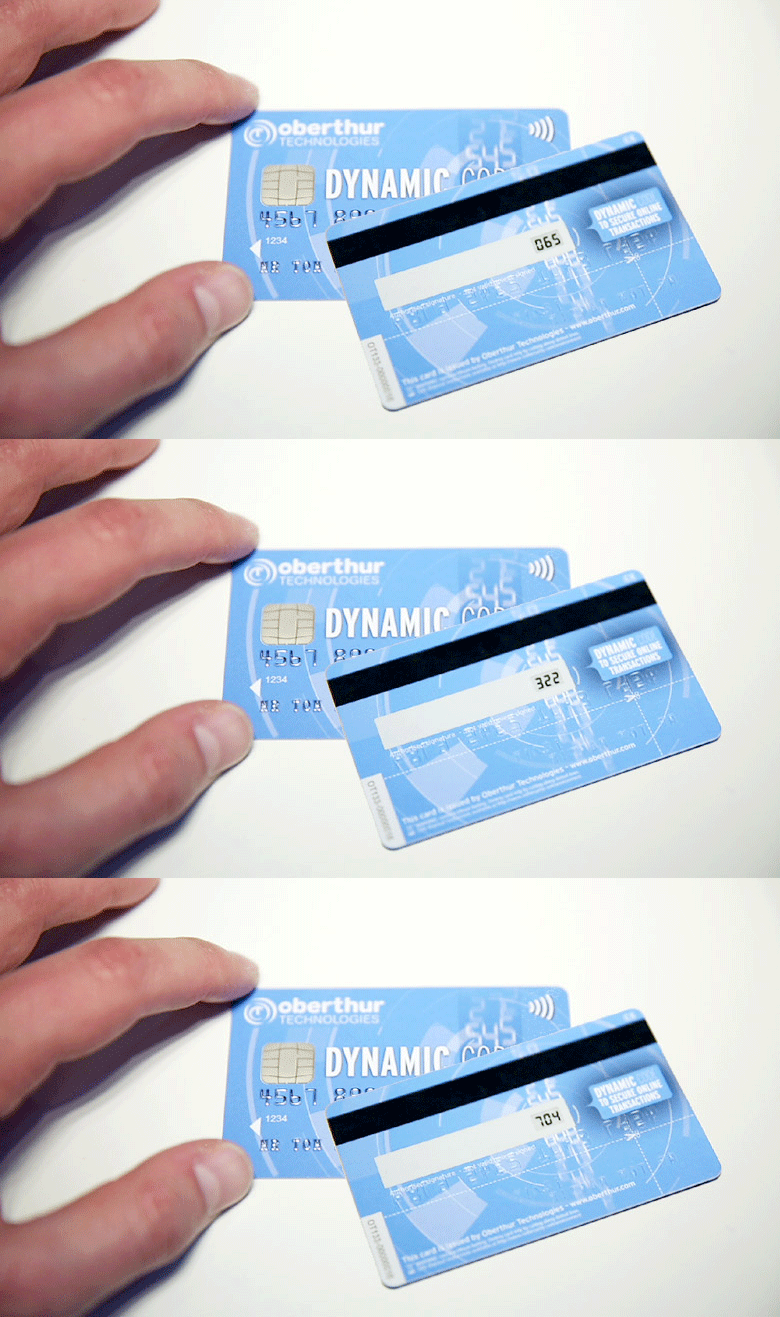
Animated illustration of a credit card representing dynamic security code technology

Credit Card

What is a Dynamic Card Security Code (CSC)?

It is a CVV2/CVC2 code that changes every few minutes instead of the static code printed on the back of a credit card, aimed at reducing fraud risk in CNP (Card Not Present) transactions.

Card skimming and copied card details

Credit Card

What Should I Do If My Card Details Are Copied?

Card copying usually happens with magnetic stripe debit cards. As soon as you notice your card details have been copied, you can close the card, renew it or change its PIN.

Illustration representing the PA-DSS payment application security standard

HSM & Security

What is PA-DSS (Payment Application Data Security Standard)?

PA-DSS (Payment Application Data Security Standard) is the Payment Application Data Security Standard set by the PCI SSC, a global security standard created by the Payment Card Industry Security Standards Council.

Table of CAVV result codes and what they mean for merchants

Merchant & POS

What is CAVV? What is AAV?

CAVV and AAV are verification codes used in 3D Secure transactions to ensure transaction integrity and security. CAVV is used by Visa, while AAV is used by Mastercard.