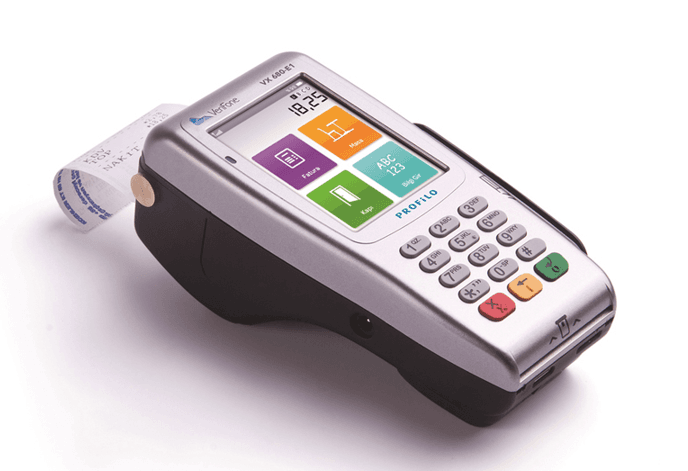
Merchant & POS
What Is an MCC (Merchant Category Code)?
MCC stands for Merchant Category Code: a 4-digit code used to classify merchants by business type. Codes differ slightly between Mastercard, Visa, and BKM.
Search
83 articles found
Merchant & POS
MCC stands for Merchant Category Code: a 4-digit code used to classify merchants by business type. Codes differ slightly between Mastercard, Visa, and BKM.
Online & Authorization
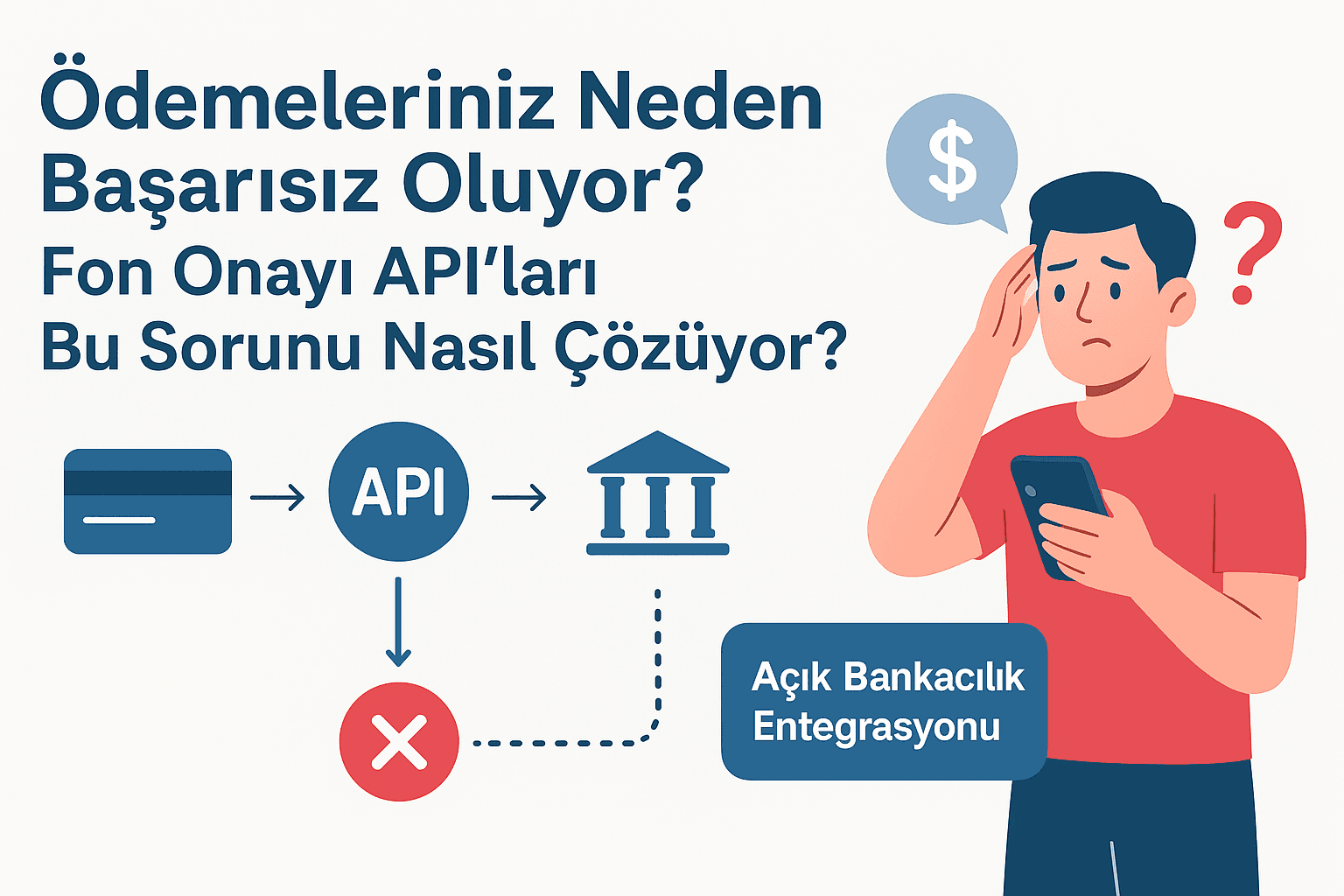
You press the pay button and the screen says the transaction failed. Behind that failure are checks on your balance and transaction security. This post explains how funds confirmation APIs work, where they apply, and the situation in Turkey's open banking.

Online & Authorization
The Application Version Number is the version number of the application on the card. For example, the Visa VSDC application version number is 131, and the Mastercard M/Chip Lite version number is 2.
Merchant & POS
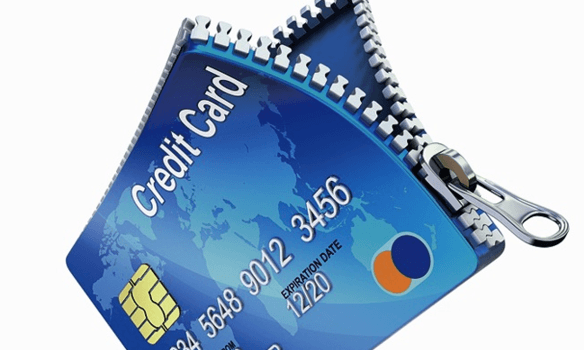
The Combined Warning List (BUL) lists card numbers the issuer wants blocked (lost, stolen, counterfeit, etc.), which acquiring merchants check within certain limits, at their own risk, when online authorization cannot be obtained.

Credit Card
Yes. A certificate must be generated for every new BIN and loaded onto the card chip, establishing secure communication between the chip and the terminal. This is especially critical for verification in offline transactions.
Payment Systems
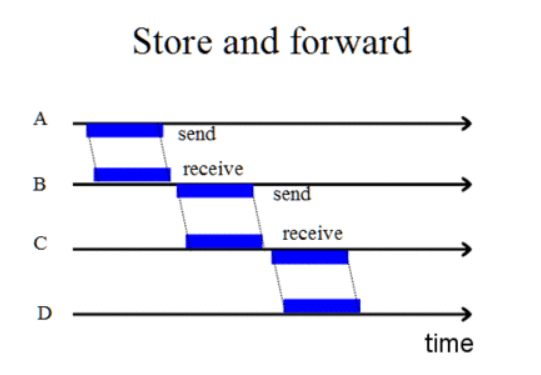
Store and Forward (SAF) describes offline transaction processing. It was originally developed when modems were introduced and connections were not always stable, letting terminals store transactions and forward them once connectivity is restored.

Credit Card
The '12 - Invalid Transaction' error is usually returned when the issuer declines the transaction. It typically occurs when the same card is tried repeatedly at the same merchant for the same amount in quick succession.
Online & Authorization
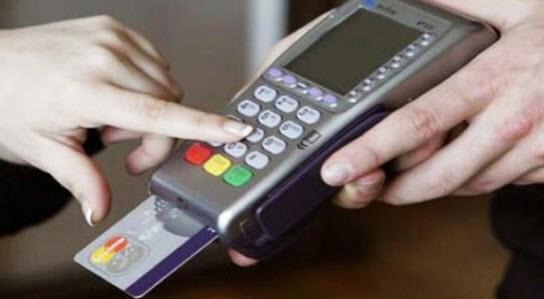
The Application Transaction Counter is the number of transactions made with the card so far. It increases by 1 with each transaction and can also be used as a transaction number, making transactions easier to track.

Credit Card
Cases where authorization approval is declined have always puzzled cardholders. Whenever the response code requires contacting the issuing bank (usually for declined transactions), the date, amount, and response code of the failed transaction become very important.
HCE
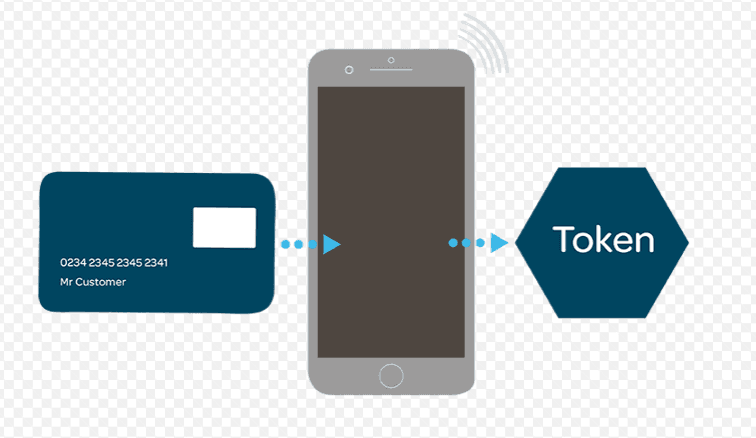
Generating a token from the card number is essential to the security of payments made with mobile devices. The level of tokenization used depends on the need and on how critical the token is. Static tokenization: the token is generated once and stored in a database.

ISO 8583
F19 — Acquiring Institution Country Code: the country to which the location of the acquiring bank's device (ATM, POS, etc.) belongs.
EMV
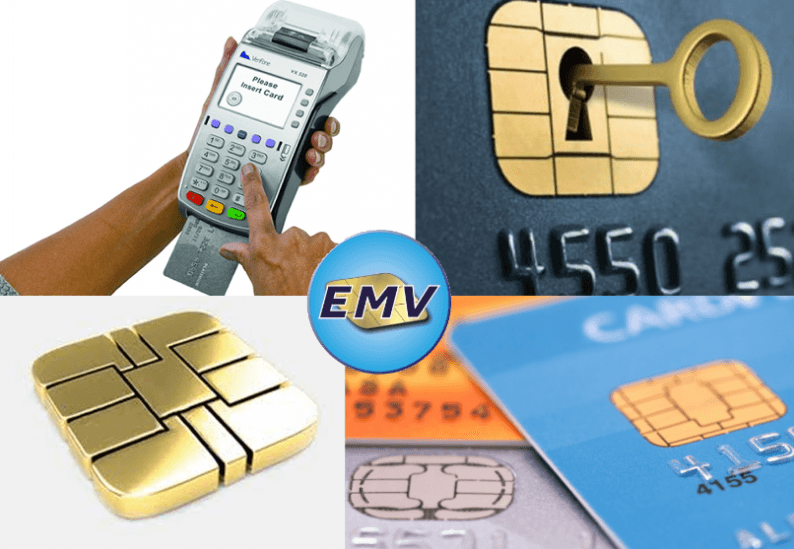
The EXTERNAL AUTHENTICATE command asks the application inside the ICC whether it can verify the cryptogram, and the ICC returns the processing status. Below are the components of the External Authenticate command and what issuer authentication means.