E-commerce
What Is Payment by SMS?
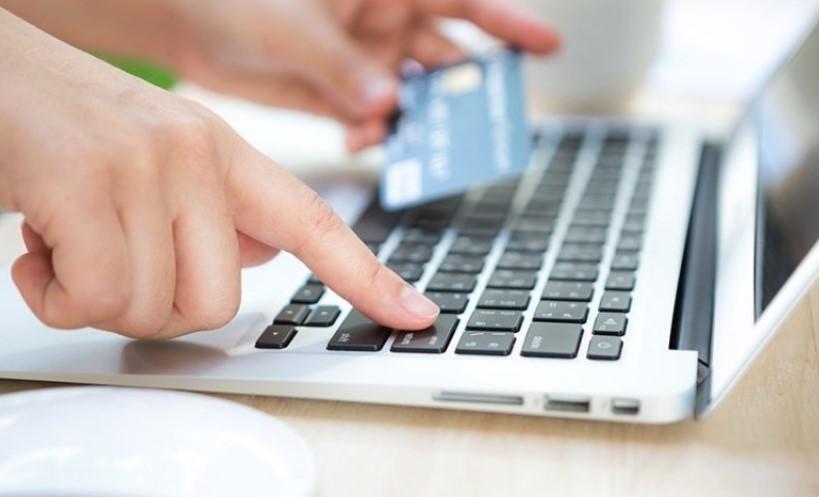
Payment by SMS is a solution where the merchant sends the customer a link via SMS through an online collection system, and the customer pays by entering their debit or credit card details.
Search
157 articles found
E-commerce
Payment by SMS is a solution where the merchant sends the customer a link via SMS through an online collection system, and the customer pays by entering their debit or credit card details.

Laws & Regulations
BSMV stands for Banking and Insurance Transaction Tax, levied on banking and insurance transactions. This post explains how it applies to payment institutions and e-money institutions under Expense Taxes General Communiqué No. 91, with an example.
Security
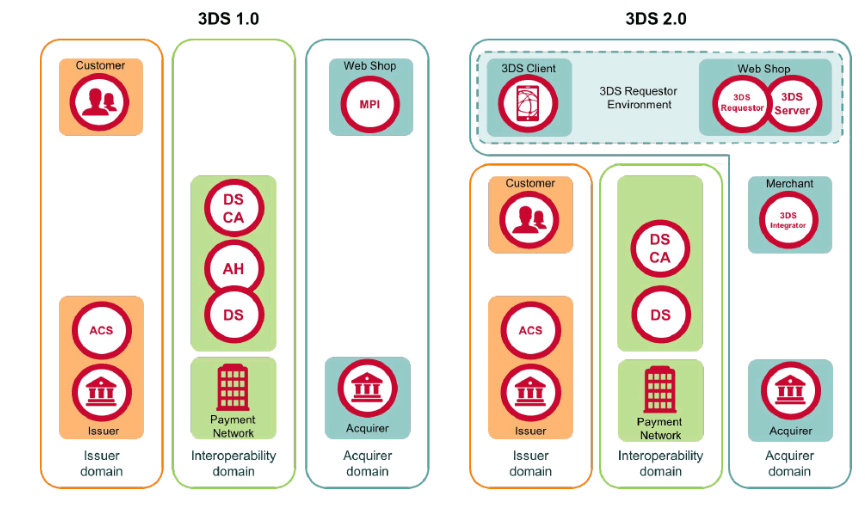
Before 3D Secure 2.0, let's explain what 3D Secure is. 3D Secure is a two-layer payment authentication system that protects both the cardholder and the merchant in online payments. First released by Visa in 1999, it was later adopted by other card schemes…
Payment Institutions & E-Money
VUK 507 is the common name of Tax Procedure Law General Communique Serial No. 507, published in the Official Gazette on 1/6/2019 on the Secure Mobile Payment and Electronic Document Management System. It sets the rules for sales, collection and electronic document applications.

Payment Systems
Digitalization keeps changing the speed and shape of payments. AI-based payment agents pay on their own within user-defined limits and rules, completing transactions without the user initiating any action. This post explains how they work and what to watch for.
Merchant & POS
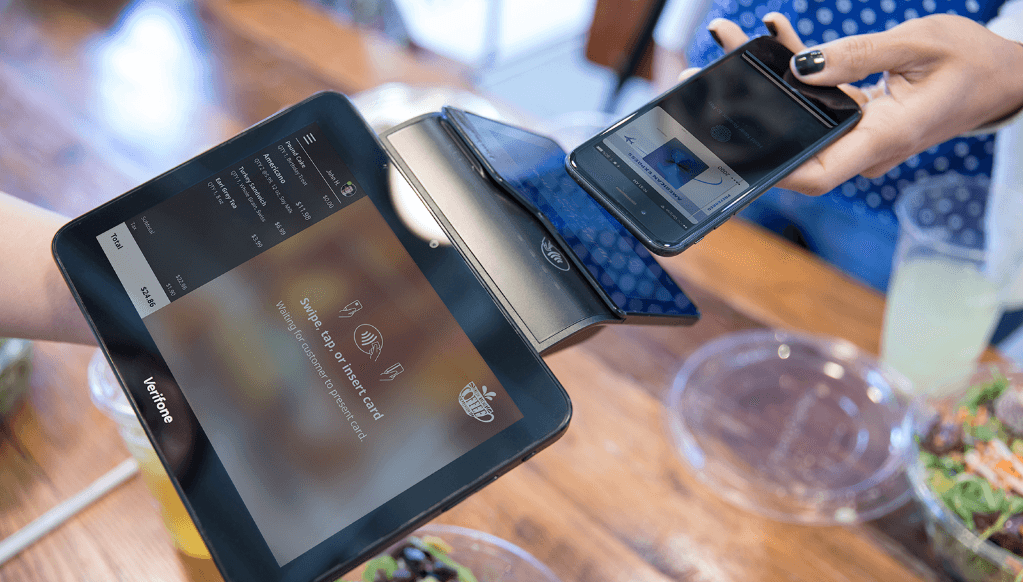
Magnetic Secure Transmission (MST) is a mobile payment technology in which devices such as smartphones emit a signal that mimics the magnetic stripe on a traditional payment card, letting a physical card's POS use be imitated without upgrading terminal software or hardware.
HCE
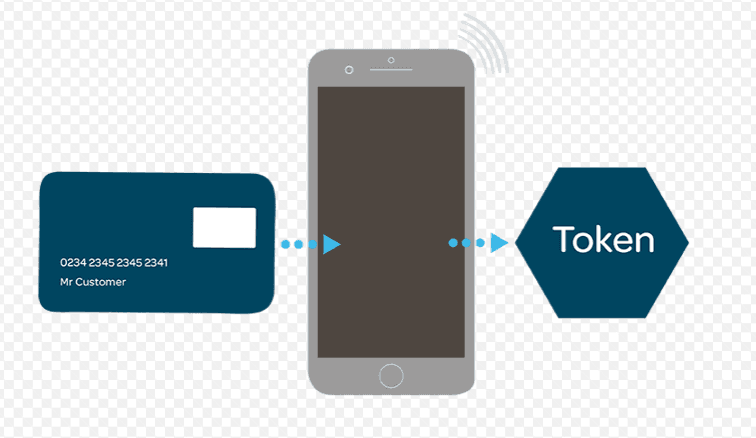
Generating a token from the card number is essential to the security of payments made with mobile devices. The level of tokenization used depends on the need and on how critical the token is. Static tokenization: the token is generated once and stored in a database.
Open Banking
EPSM is a non-profit trade association that represents its members' interests and enables the exchange of news, information and opinions about the European payments market.
Credit Card
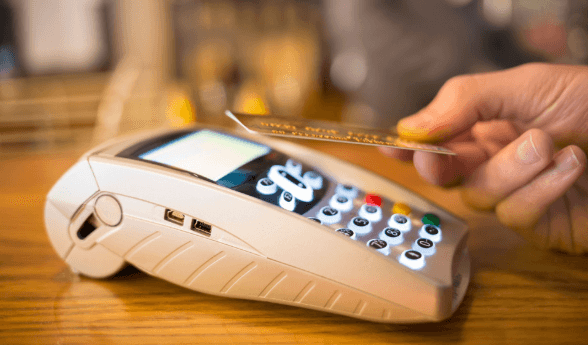
Current information: this post describes the limit that applied at the time of publication. According to a BRSA letter to banks, the PIN-free contactless transaction limit, raised to 750 TL in July 2022, will become 1500 TL from 1 July 2024.
Payment Systems
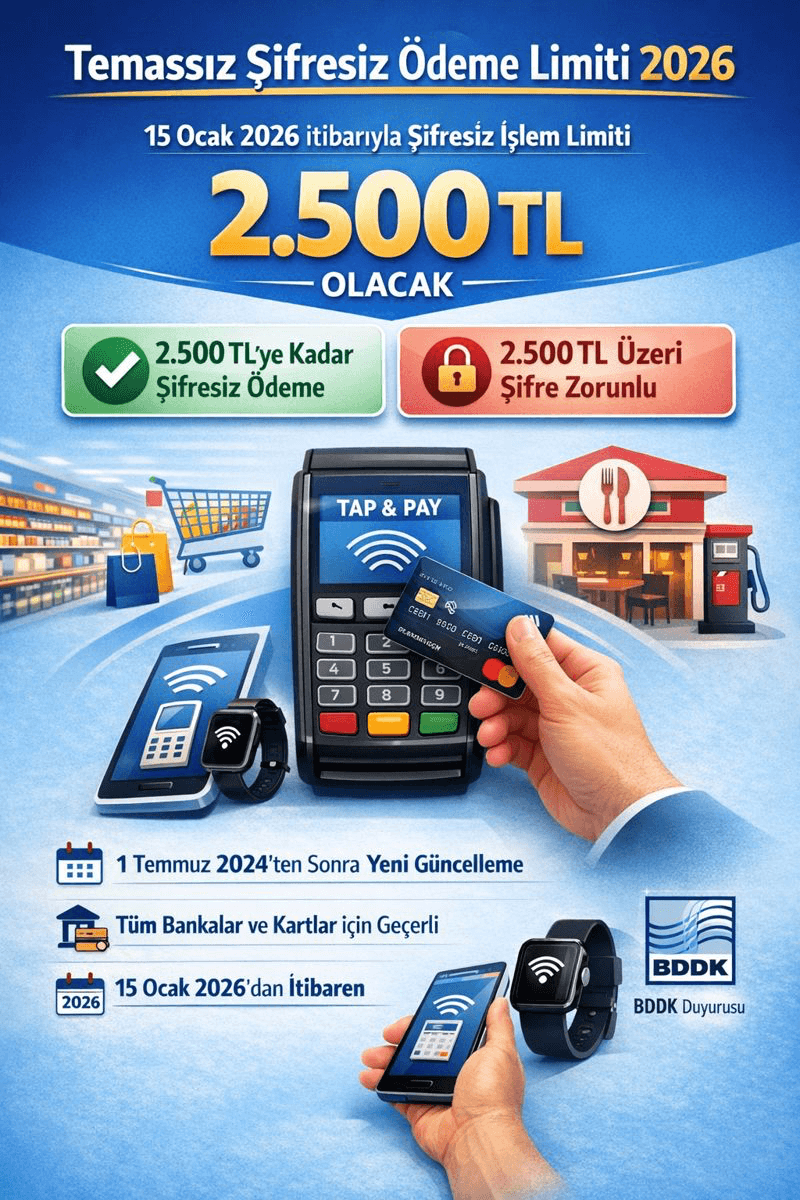
An official BRSA letter to banks announced an update to the PIN-free contactless payment limit. From January 15, 2026, contactless payments of up to 2,500 TL can be made without entering a PIN, up from the current 1,500 TL.
Merchant & POS
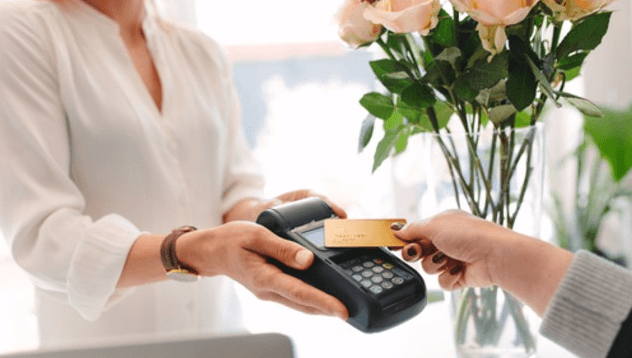
Per BKM data, 3 in 5 merchants accept contactless payments and 1 in 10 credit card transactions is contactless. From 1 August 2019, contactless payments by card or mobile device are allowed without a PIN up to 120 TL.
Payment Systems
According to BKM's TR QR Code Technical Principles and Rules Guide for card payments, QR code payment structures apply to EFTPOS, shared EFTPOS, ÖKC, ATMs, payment provider apps, static QR codes and virtual POS.